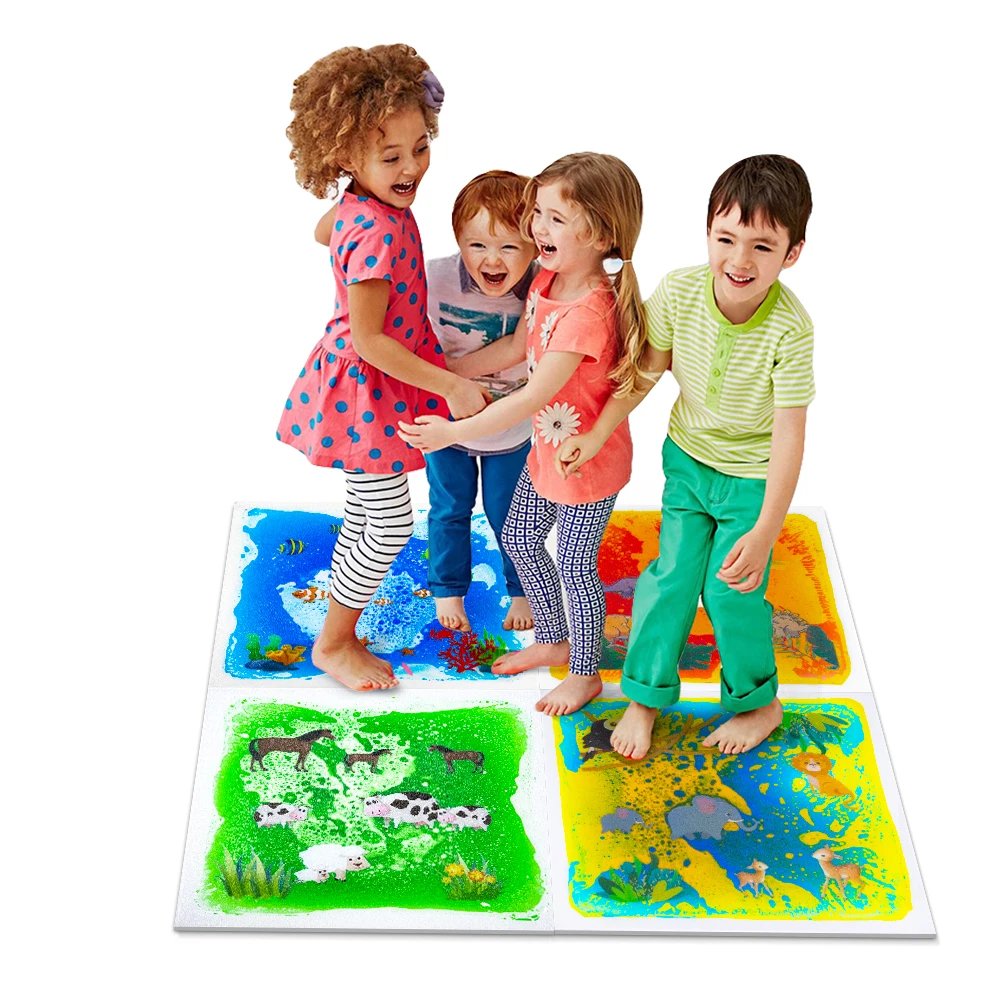
Gross motor skill development follows predictable milestones from infancy to toddlerhood, marking pivotal stages in a child's growth. In infancy, babies start with basic skills like lifting their heads, progressing to rolling over and sitting up. By around 6 to 12 months, they typically try crawling and eventually pulling themselves up to stand. As toddlers, they refine these skills, mastering standing, walking, and eventually running. Textured floor mats play an instrumental role in these milestones. Their varied surfaces encourage exploration through crawling, standing, and walking, providing a safe environment to practice these movements. Expert opinions, like those of early years consultants, emphasize the importance of active play in motor skill advancement. Encouraging movement not only supports physical development but also lays a foundation for cognitive growth and school readiness.
Tactile stimulation has a profound impact on brain development and motor neural pathways, as highlighted by pediatric research. Engaging with different textures enhances sensory experiences, activating various sensory receptors that contribute to motor skills development. Textured floor mats exemplify the benefits of such stimulation by offering diverse surfaces that prompt children to explore using touch. This interaction facilitates the strengthening of neurological pathways, promoting better motor coordination. Studies have shown that tactile experiences are crucial for engaging a child's senses and fostering optimal brain development, enhancing their ability to navigate their environment with confidence and skill.
Textured surfaces play a pivotal role in enhancing a child's balance and spatial awareness. When children interact with textured mats, they receive tactile feedback that aids in maintaining stability and balance during movement. Research findings have shown a positive correlation between spatial awareness and the use of sensory surfaces, which helps in developing a child's ability to understand space and their body within it. To integrate textured mats into play for enhancing balance, consider offering activities where children can walk or crawl over these mats, encouraging them to explore various movements that challenge their balance and spatial perception.
Uneven surfaces on textured mats uniquely challenge core muscles, leading to improved strength and coordination. According to expert recommendations, engaging with such terrains during play can significantly boost core muscle development, essential for overall physical development. Statistics indicate that children who play on uneven terrains exhibit better muscle coordination. To further engage core muscle strength, activities such as crawling challenges where children navigate over different textured surfaces can be encouraged. These activities not only bolster core strength but also enhance a child's agility and endurance.
Foot arch development during early childhood is crucial for overall mobility and long-term musculoskeletal health. Textured mats offer essential sensory feedback, promoting optimal foot development by engaging the muscles that support healthy arch formation. Research data suggests that such sensory engagement is vital for strengthening the foot's arch, which directly impacts a child's ability to walk, run, and maintain balance. When selecting mats, opt for those with varied textures and degrees of firmness, supporting both healthy foot growth and diverse sensory exploration.
Varying textures play a crucial role in developing sensory processing skills in children. By interacting with diverse surfaces, children learn to interpret and respond to different sensory stimuli, contributing to their overall development. Sensory integration theories suggest that tactile play, particularly using items like textured mats, can help promote effective sensory integration. For example, activities such as crawling on a mat filled with different textures or touching raised patterns can enhance sensory awareness. Incorporating such activities into play can significantly boost a child's ability to process and adapt to sensory information, leading to improved cognitive and motor skills.
Children with autism benefit significantly from consistent tactile experiences and predictable sensory environments. This stability helps them focus and manage sensory stimuli more effectively, promoting a sense of calm and control. Insights from occupational therapists indicate that using textured mats in sensory rooms can enhance engagement and stimulate necessary sensory responses in children with autism. Moreover, studies have shown that sensory toys, such as textured mats, offer advantages by providing repetitive and predictable sensory input, which is crucial for learning. Utilizing these mats within structured environments can support sensory processing and contribute positively to developmental progress.
To ensure sensory toys support developmental growth, texture patterns should be chosen based on age appropriateness. For infants, soft and gentle textures are ideal as they provide a soothing tactile experience, promoting sensory awareness and calming effects. As toddlers advance, they benefit from more varied textures like ridges and bumps, which stimulate their exploration and fine motor skills. Safety in design is critical; toys must adhere to age-specific safety standards. According to experts, texture diversity can significantly aid physical and sensory development for children. Thus, choosing toys endorsed by child development researchers or with a proven track record of effectiveness is crucial for fostering holistic growth.
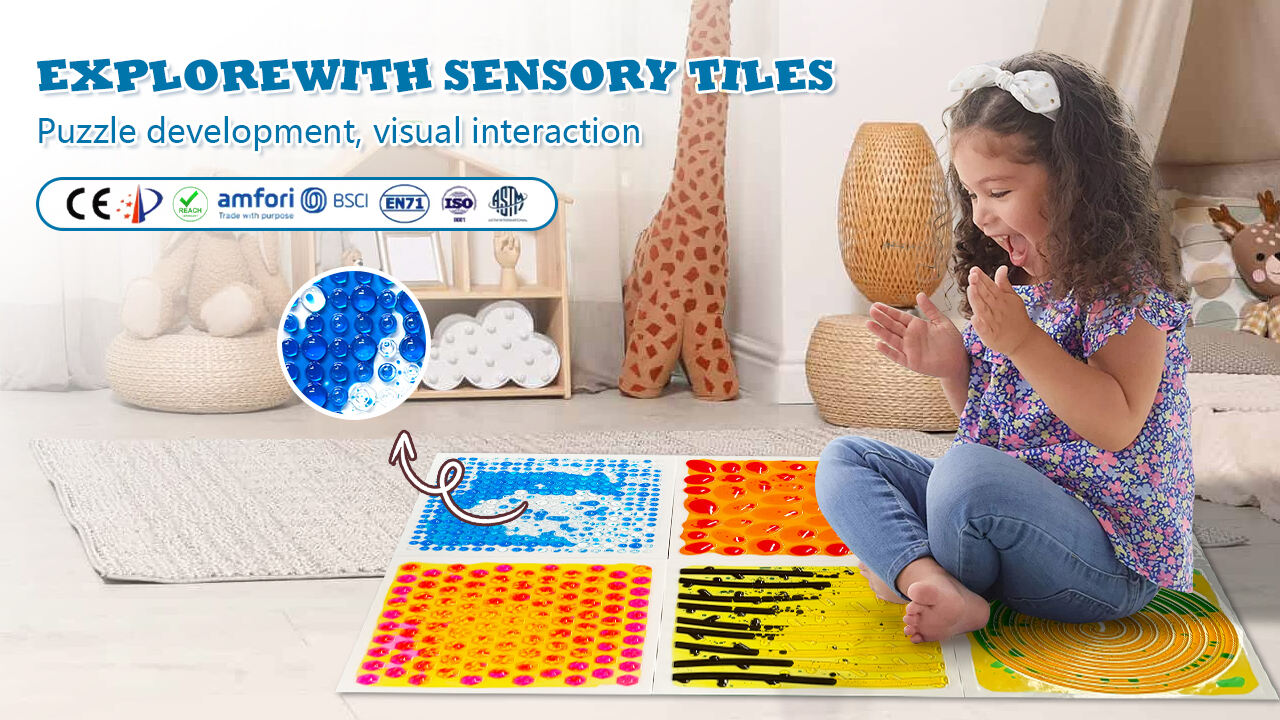
Safety during play is paramount, especially when engaging with textured mats and sensory toys. Non-slip features help prevent accidents and provide stability for active play, encouraging children to engage freely without fear of injury. When selecting mats or toys, it's essential to look for safety standards such as ASTM or EN certifications, which guarantee they meet rigorous safety requirements. Additionally, ensuring mats are placed on even surfaces and without obstacles enhances safety during use. By prioritizing safety features like non-slip backing, caregivers can create a secure environment that supports children's active and dynamic exploration.
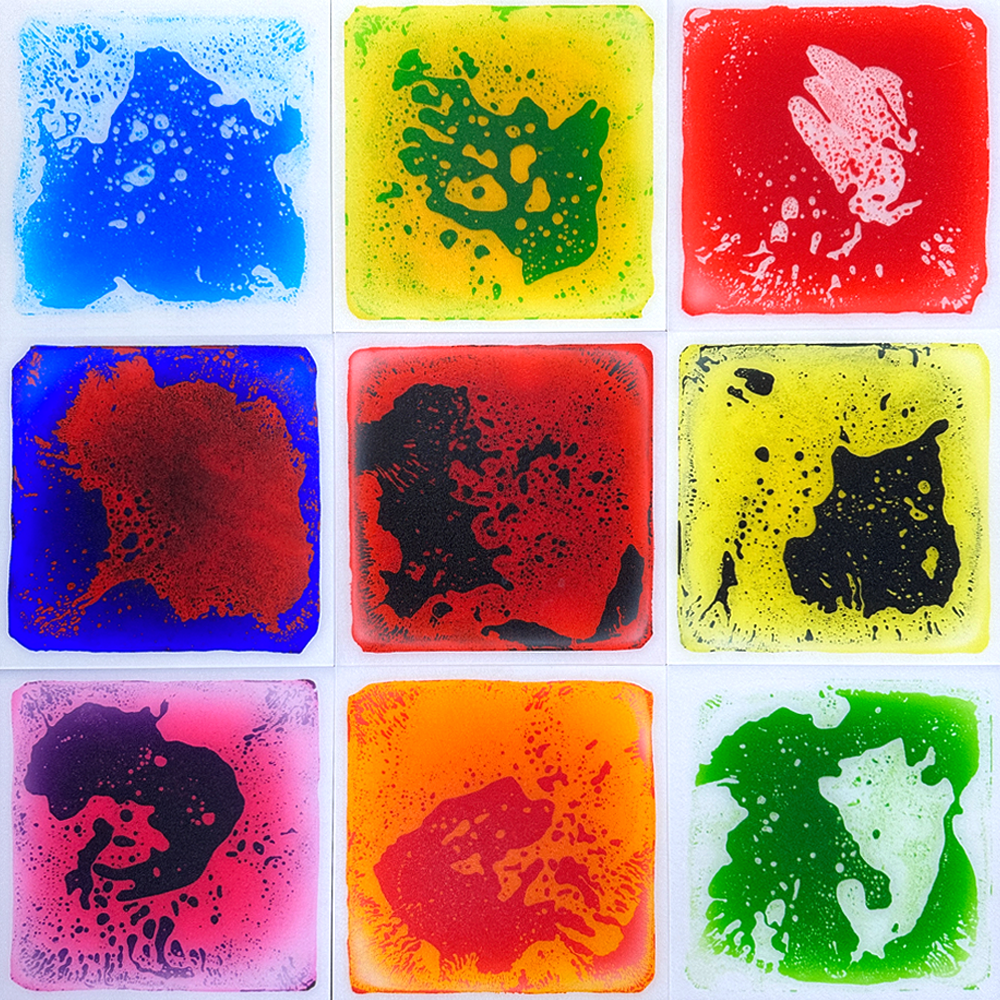
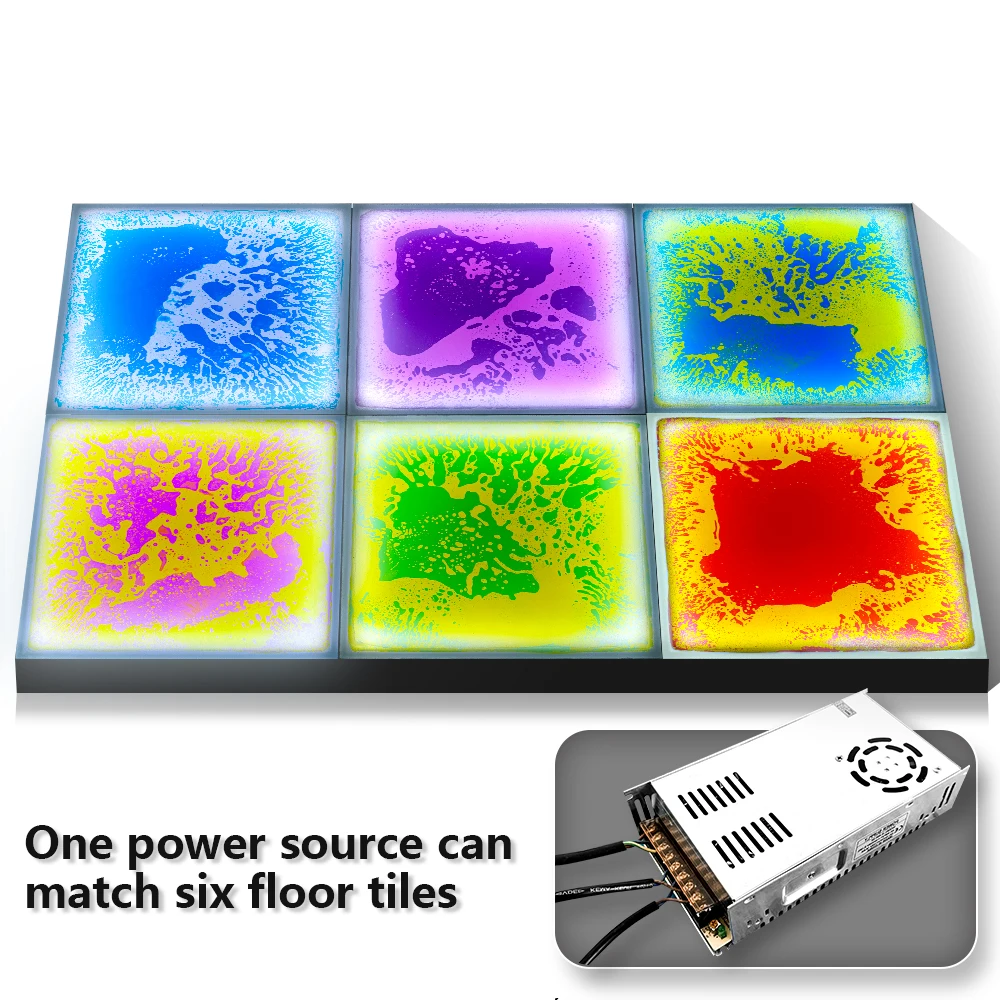
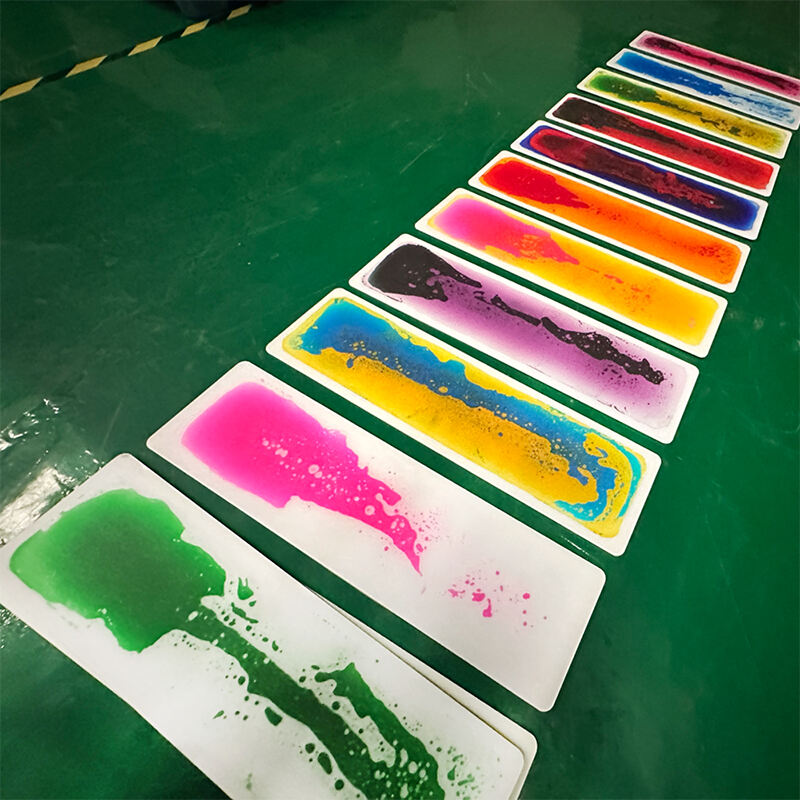
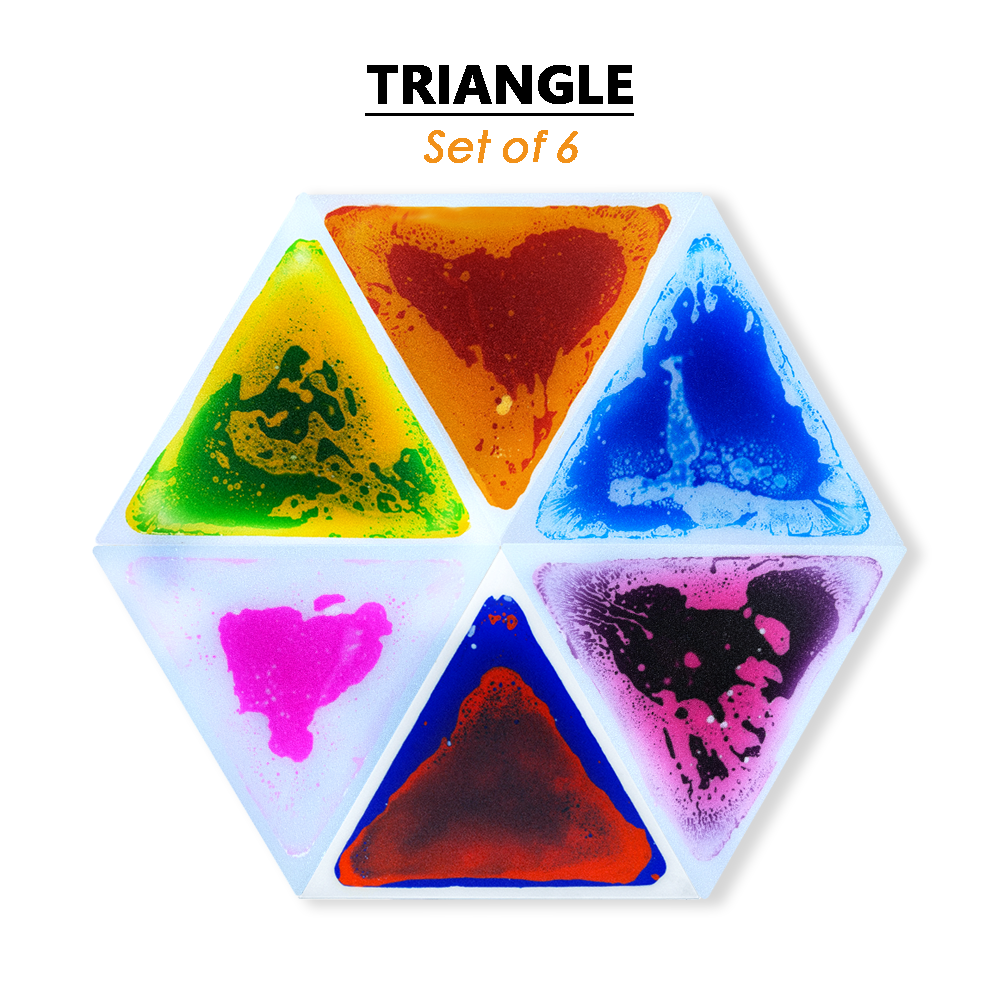
Integrating visual and tactile sensory elements is vital for a child's holistic development. The dual stimulation can improve cognitive functions and encourage more engaged play, allowing kids to explore textures with accompanying colors and patterns. Using vibrant hues and stimulating patterns alongside tactile components optimizes learning and creativity during play. For instance, mats with contrasting colors and varied textures have proven to increase sensory engagement. Combining these elements offers an enriching experience that captivates children's interest and fosters developmental milestones in visual and tactile acuity.
Creating obstacle courses using textured mats is a fantastic way to enhance gross motor skills in children. By strategically arranging mats with different textures, educators can design courses that challenge and develop specific skills like crawling, jumping, and balancing. For instance, an obstacle course that encourages crawling can strengthen arm and leg muscles, while one focused on jumping can improve balance and coordination. Educational settings have successfully implemented these courses, with studies showing significant improvements in children's physical skills and confidence levels. By using textured mats creatively, we can transform any play area into a dynamic learning environment that supports physical and cognitive development.
Pairing textured mats with sensory toys can create a holistic developmental experience for children. Combining these elements offers a multi-sensory approach that stimulates various senses and encourages engagement and learning. Sensory toys like rattles, soft blocks, or musical instruments complement the tactile feedback from mats, enhancing the overall play experience. For a comprehensive developmental session, caregivers and educators can design structured playtime activities that incorporate both items. For example, setting up a play area where children can crawl over mats to reach sensory toys can promote exploration and fine motor skill development. Such integrated play not only keeps children entertained but also supports their overall growth in a nurturing and stimulating environment.
When selecting educational products, especially for young children, it's essential to prioritize safety certifications such as ASTM and EN71. These certifications ensure that products meet stringent safety standards to create safe play environments. ASTM (American Society for Testing and Materials) and EN71 (European Toy Safety Directive) standards indicate that products have been rigorously tested for hazards, including toxic substances and mechanical safety. Experts recommend checking for these certifications as a baseline measure to guarantee the reliability and safety of the toys we incorporate into learning settings, thus ensuring a secure and engaging play experience for children.
Maintaining hygiene is crucial when using textured mats in shared classroom settings, to safeguard children's health. Effective cleaning protocols should include regular disinfection, spot cleaning of spills immediately, and weekly deep cleans. Mats must be made of durable, easy-to-clean materials to withstand frequent use. Experts highlight the importance of cleanliness, noting that maintaining hygiene prevents the spread of germs and supports overall health in educational environments. By implementing rigorous hygiene practices, we ensure that our learning spaces remain safe and welcoming for all users.
 Hot News
2024-06-17
2024-06-17
2024-06-17
Copyright © 2024, Dongguan Hengfu Plastic Products Co., Ltd. All Rights Reserved Privacy policy
 EN
EN
 AR
AR
 BG
BG
 HR
HR
 CS
CS
 DA
DA
 NL
NL
 FI
FI
 FR
FR
 DE
DE
 EL
EL
 IT
IT
 JA
JA
 KO
KO
 NO
NO
 PL
PL
 PT
PT
 RU
RU
 ES
ES
 SV
SV
 CA
CA
 TL
TL
 ID
ID
 LT
LT
 VI
VI
 SQ
SQ
 ET
ET
 GL
GL
 TH
TH
 TR
TR
 FA
FA
 MS
MS
 GA
GA
 CY
CY
 UR
UR
 BN
BN
 GU
GU
 MR
MR
 NE
NE
 KY
KY