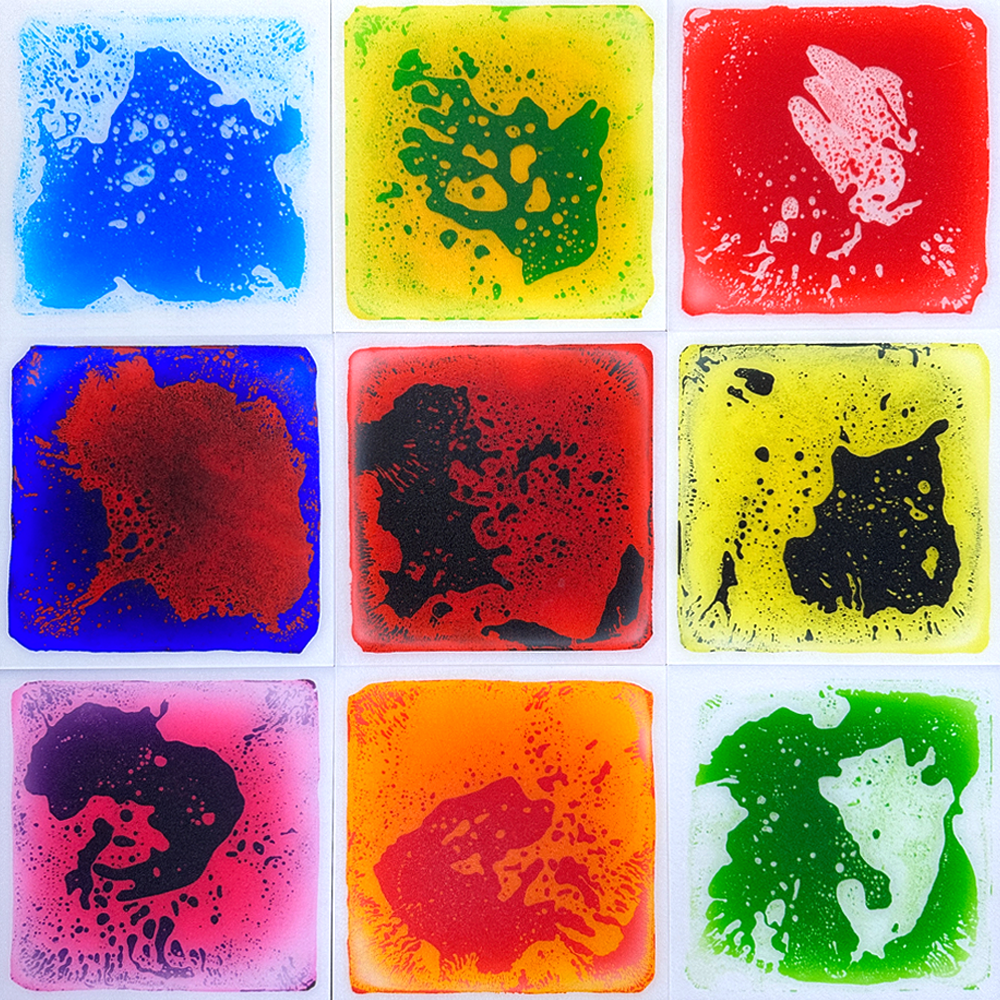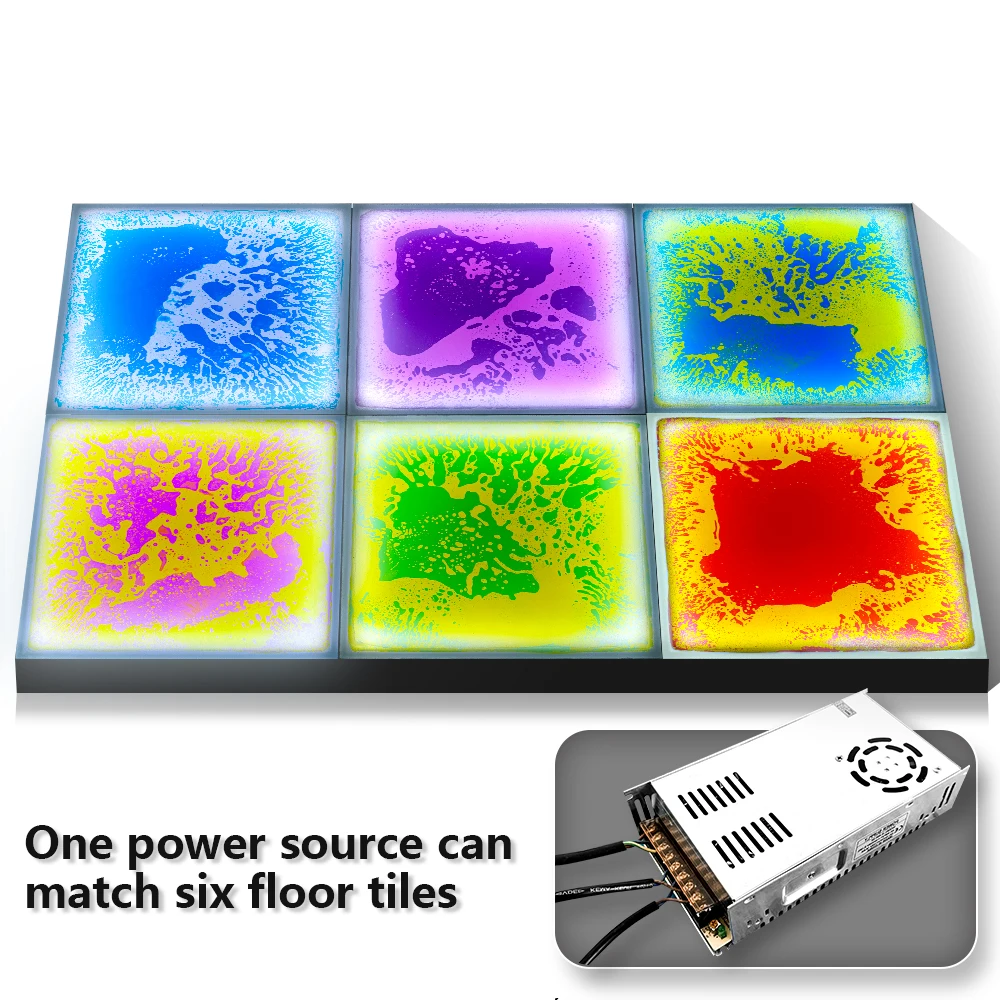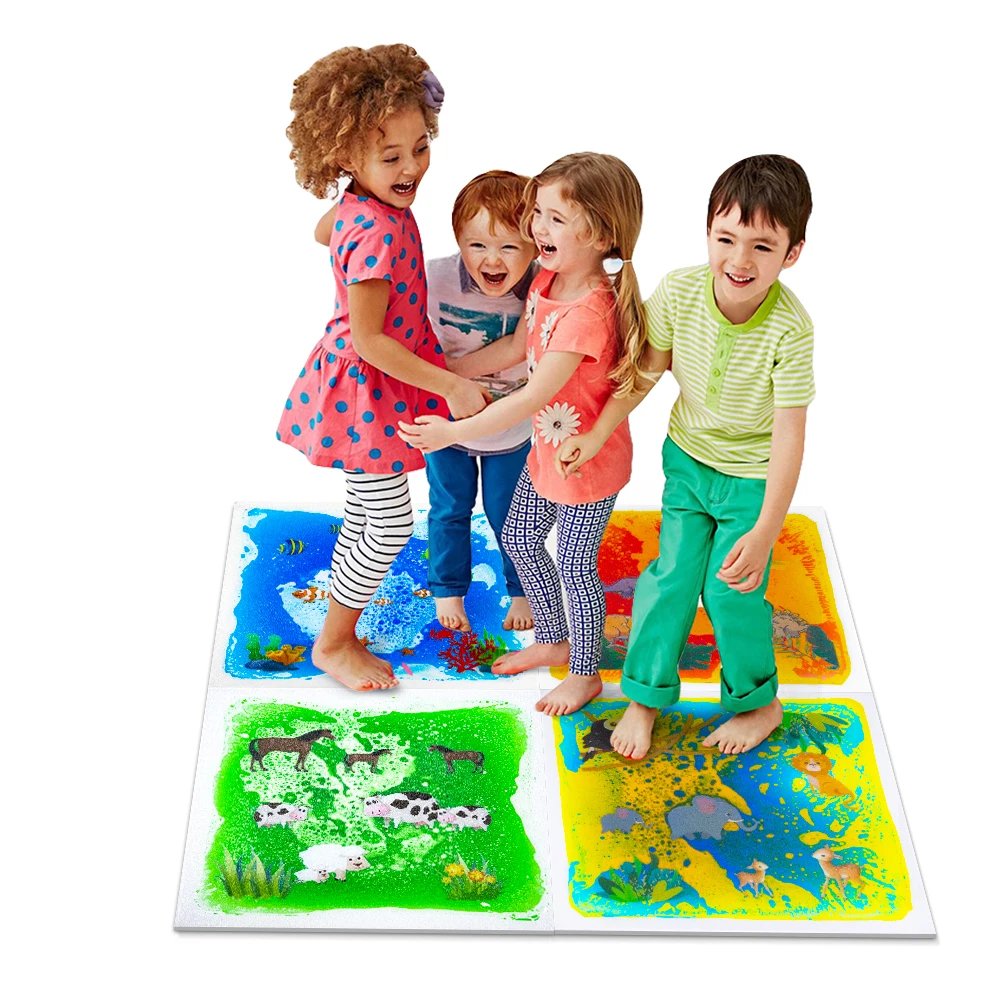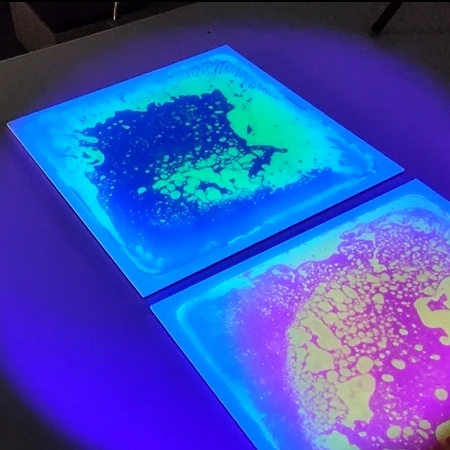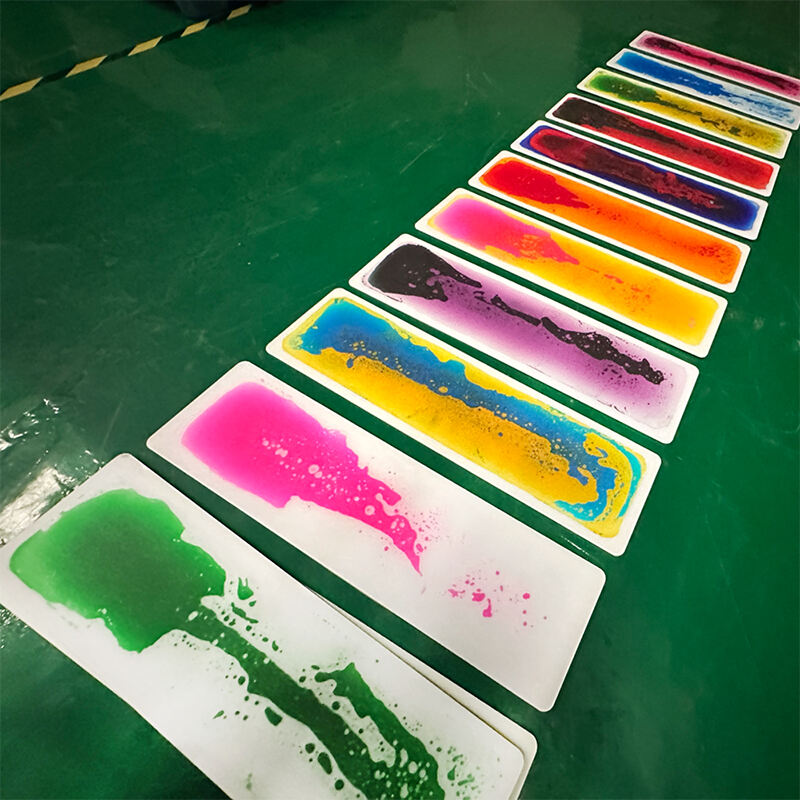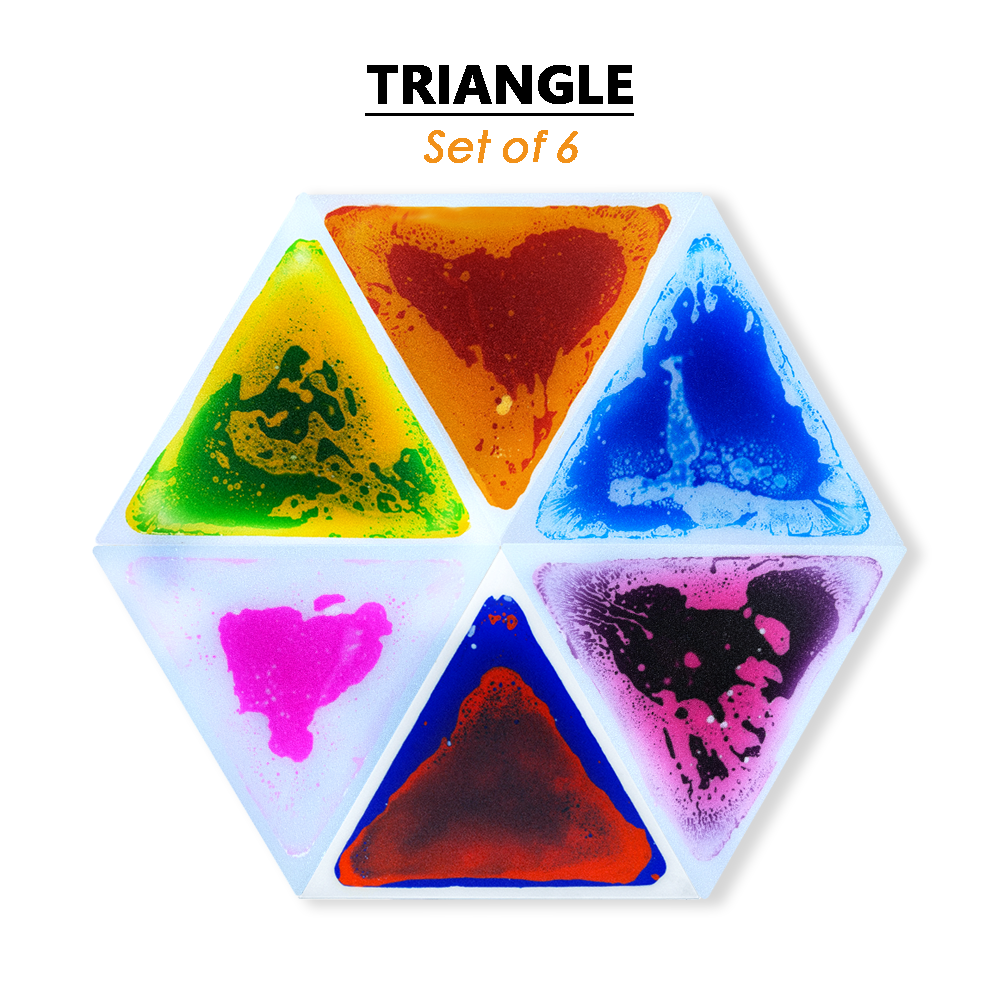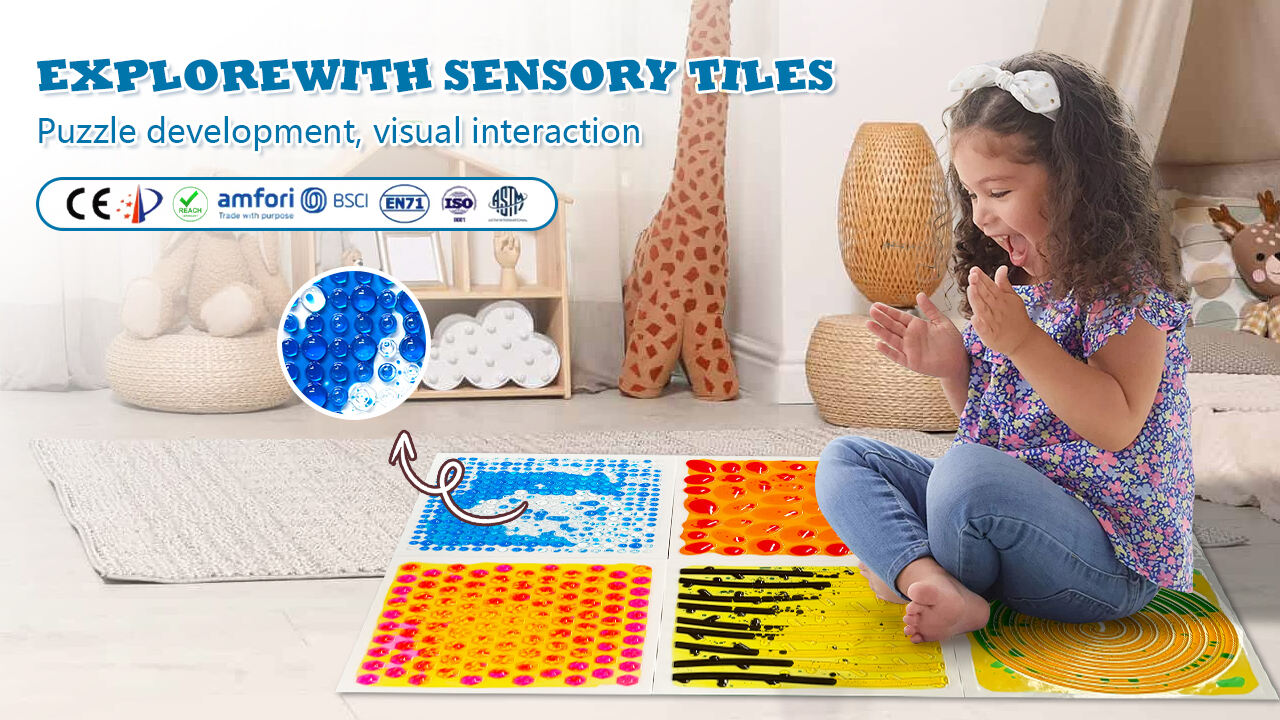
Child safety begins with using non-toxic materials, such as EVA foam, which are free from harmful chemicals. This ensures that even children with sensitive skin can play without any health concerns. According to pediatric health studies, exposure to non-toxic materials like these significantly reduces allergy risks in young children, making them ideal for sensory toys for kids. A vital aspect is the CPSIA (Consumer Product Safety Improvement Act) certification, which assures parents of the safety standards adhered to in product manufacturing. By choosing products with such regulatory certifications, parents can have peace of mind about their children's play environments.
The design of sensory tiles incorporates leak-proof technology to maintain hygiene in play areas. These tiles prevent liquids from seeping between them, which is crucial in minimizing health risks associated with mold and bacteria growth, often seen in moisture-prone environments. Statistical data on accidents in play areas highlights scenarios where a leak-proof design is beneficial, such as accidental spills, which can lead to mold development if not contained. By opting for such hygienic play options, we ensure safer playtime for children with autism sensory toys or baby sensory toys.
Safety features like rounded corners and impact resistance are essential to preventing injuries during play. Rounded corners are recommended by child safety organizations because they minimize the risk of cuts and bruises, which are prevalent in play environments. Materials enhancing impact resistance are crucial, as they help reduce the severity of falls and accidents. Data on child injury rates strongly support the importance of these features, demonstrating their effectiveness in sensory toys for autistic children. Parents considering autism toys can benefit from products with rounded corners and robust impact resistance for their child's safety.
Sensory tiles play an essential role in developing gross motor skills in children. By engaging in actions like crawling, walking, and jumping on sensory tiles, children can enhance their balance and coordination. These activities are backed by child development experts who stress the importance of physical play in building muscle strength and improving motor coordination. Moreover, sensory play environments are linked to significant developmental milestones, providing children the practice they need to reach key stages of physical development.
Sensory play has proven therapeutic benefits for children with autism and ADHD, offering calming effects and improving focus. Research indicates that sensory integration methods can significantly alleviate anxiety and enhance concentration during structured play sessions, making sensory tiles an effective tool for these children. Additionally, statistics show that the calming impacts of autism sensory toys contribute to better regulation of behavior and focus, creating a more conducive environment for learning and development for children with sensory processing disorders.
Sensory tiles can act as a catalyst for social interaction and focus enhancement among children. By facilitating group activities, these tiles encourage teamwork and communication skills, fundamental aspects reiterated in psychological studies highlighting the benefits of cooperative play. Moreover, integrating social elements into sensory play can capture children’s attention and improve focus. Encouraging children to work together during playtime solidifies their understanding of team dynamics, all while reinforcing concentration and enhancing key social competencies.
Creating sensory rooms specifically for children with special needs involves designing personalized environments that cater to various sensory requirements. Such rooms typically incorporate sensory-friendly furniture and equipment, such as soft foam tiles, interactive mats, and padded flooring, to provide a stimulating yet calming atmosphere. According to experts like Betty Ray from Edutopia, these therapeutic spaces enhance learning by offering students individualized sensory inputs, aiding their focus and emotional regulation. Enabling Devices also highlights the broader benefits, noting that sensory rooms are central to developing motor skills, cognitive skills, and socialization. Incorporating expert insights ensures these rooms are effective, whereas tailored setups maximize their benefits for children facing developmental challenges.
Sensory tiles can revolutionize classroom environments by bringing active learning to life. Integrating these tiles enhances student engagement by transforming learning into tactile, interactive experiences. A study published in Education Today reveals that interactive play significantly boosts student participation and comprehension. Practical tips for teachers include incorporating sensory play in lesson plans and seamlessly integrating them into routines, thereby optimizing the benefits of active learning. Sensory educational tools not only offer diverse and innovative learning methods but also foster an interactive classroom atmosphere conducive to both individual and collective growth.
For parents looking to create safe play areas at home, sensory tiles offer an excellent solution. These tiles meet safety standards, reducing risks of injury during playtime. Statistics underscore the prevalence of child injuries at home, making safe play environments a necessity. A well-thought-out setup featuring non-toxic, impact-resistant tiles can significantly mitigate these risks. Experts recommend incorporating diverse play elements and considering child-friendly layouts to optimize space utility and safety. Safe play areas not only prevent injuries but also provide children with spaces that encourage growth, creativity, and active play.
When it comes to creating play environments, high-density PVC stands out as an ideal material. Its robustness ensures long-term durability, which is essential for areas subjected to constant use. Furthermore, anti-slip surfaces play a crucial role in minimizing accidents. Studies indicate that these surfaces significantly reduce falls and slips, making them particularly valuable in active environments where children engage with sensory toys, such as autism sensory toys and sensory toys for autistic children. Opting for these materials not only enhances safety but also offers cost-effective flooring solutions, as the investment in durable materials pays off through longevity and reliability.
Sensory tiles are designed with a substantial weight capacity, allowing for versatile use in many settings. Unlike standard tiles, high-quality sensory tiles boast impressive longevity, providing financial advantages in the long run. Expert testimonials frequently highlight the importance of investing in durable flooring for active play environments. Many confirm that high-quality sensory tiles offer superior durability, making them a wise investment for classrooms and sensory play areas where children actively engage with products like baby sensory toys. This durability ensures a safe, lasting play area that supports children's growth and development without frequent replacements.
Sensory tiles' weather-resistant properties expand their utility to various environments. These tiles are fortified with specific materials and coatings that provide excellent weather resistance, catering to both indoor and outdoor settings. Such versatility is essential for reducing outdoor play-related accidents, as these surfaces are designed to withstand diverse weather conditions. To maintain this quality in outdoor installations, adhering to specific guidelines is crucial. This ensures the tiles' durability and extends their lifespan, offering a safe play space where children can interact with sensory toys, whether they are in sensory rooms or casual outdoor settings.
Keeping sensory toys for kids clean can be a daunting task, especially for busy parents. However, establishing a quick and effective cleaning routine can make the process simpler and help maintain a healthy play environment. It's important to choose cleaning products that are safe for both the children and the materials of the toys, avoiding harsh chemicals that could cause harm. Studies suggest that maintaining cleanliness in play areas can significantly impact children's health by reducing exposure to harmful germs and bacteria. Therefore, integrating easy cleaning methods can promote a safer and more enjoyable space for play.
To extend the lifespan of sensory toys, it's essential to prevent premature wear and tear. Practical maintenance tips, such as regular inspections and addressing minor damages promptly, can enhance the longevity of these toys. Proper installation is crucial, as expert advice indicates that securing the toys correctly ensures minimal damage during active use. Real-life examples from schools and homes highlight the success of such maintenance practices, demonstrating how careful attention to upkeep can make a significant difference. By following these maintenance best practices, parents can protect their investments and ensure continued enjoyment for their children.
Knowing when to replace sensory tiles is vital for maintaining a safe play environment. Indicators such as visible wear, compromised structural integrity, or loss of original texture can suggest the need for replacement. According to data, the frequency of tile replacement is influenced by usage patterns, such as high traffic areas requiring more frequent updates than less used spaces. Providing guidelines to help parents and educators make informed decisions on when to replace tiles ensures safety and functionality are prioritized. This proactive approach can enhance the longevity and effectiveness of sensory play environments, keeping them safe and enjoyable for children.
 Hot News
2024-06-17
2024-06-17
2024-06-17
Copyright © 2024, Dongguan Hengfu Plastic Products Co., Ltd. All Rights Reserved Privacy policy
 EN
EN
 AR
AR
 BG
BG
 HR
HR
 CS
CS
 DA
DA
 NL
NL
 FI
FI
 FR
FR
 DE
DE
 EL
EL
 IT
IT
 JA
JA
 KO
KO
 NO
NO
 PL
PL
 PT
PT
 RU
RU
 ES
ES
 SV
SV
 CA
CA
 TL
TL
 ID
ID
 LT
LT
 VI
VI
 SQ
SQ
 ET
ET
 GL
GL
 TH
TH
 TR
TR
 FA
FA
 MS
MS
 GA
GA
 CY
CY
 UR
UR
 BN
BN
 GU
GU
 MR
MR
 NE
NE
 KY
KY