Light up balance beams are a fantastic tool for developing gross motor skills in children. The act of balancing requires core strength and coordination, which are fundamental components of these skills. As children engage in balancing activities, they improve their spatial awareness and body control, which are crucial aspects of physical development. Studies show that children who regularly participate in balance beam exercises tend to have better motor skill acquisition compared to those who do not. Adding light features to balance beams makes the experience more enjoyable and engaging, encouraging children to spend more time in play and thus enhancing their development.
The visual stimulation offered by light-up balance beams can be particularly beneficial for children with sensory processing challenges. Different colors and patterns can stimulate visual tracking, aiding in the development of focus and attention. This multitasking aspect of light play can enhance children's sensory integration, as they learn to balance while being visually engaged. Furthermore, these interactive light features can be especially advantageous for children with autism, as they often find bright and varying colors both soothing and captivating, making balance activities with sensory mats even more beneficial and exciting.
Introducing balance beams, especially those with enticing light-up elements, from an early age can foster a lifelong love for physical activity. The engaging nature of light features attracts young children and teenagers alike, creating a fun and lively environment. Utilizing balance beams in family play activities not only promotes physical fitness but also enhances social skills through group interactions. With diverse designs catering to various age groups, these activities offer inclusive opportunities for everyone, ensuring that physical play is accessible and enjoyable across all ages.
When choosing a balance beam for children, it's crucial to understand the key design differences and their intended uses. Montessori balance beams are designed to foster open-ended play, allowing children to explore and move creatively without rigid constraints. These beams are generally lower to the ground, which enhances safety and encourages independent exploration. This stands in contrast to traditional gymnastics beams, which focus on skill development for competitive settings. Gymnastics beams are often narrower and structurally stronger to support intense training routines and complex tumbling skills. The selection of the appropriate beam, therefore, depends significantly on the child's age, skill level, and whether the intended play context is recreational or competitive.
The choice of material—wood or foam—plays a pivotal role in determining the sensory experience provided by balance beams. Wooden beams are known for their durability and stability, making them well-suited for long-term use, particularly in educational environments. In contrast, foam beams are softer, offering a safer option that reduces the risk of injury. This softness makes foam balance beams particularly appealing for sensory play, as they can incorporate various textures to enhance tactile experiences. Research indicates that softer materials are often more inviting to children, encouraging engagement, especially for those who might be hesitant about sensory equipment. By integrating both wood and foam materials, we can cater to varied play styles and ages, optimizing sensory play opportunities for a wider range of children.
Ensuring child safety during play is paramount, and features such as non-slip surfaces on balance beams play a crucial role in reducing fall risks. This is especially important for young children who are often involved in dynamic play activities. Rounded edges are another significant design element, as they minimize injury risks from bumps and accidents, highlighting the necessity for child-safe equipment. Furthermore, innovative materials that enhance grip and stability can be integrated into these beams, providing a safer play environment. Continuous improvement in product design is often driven by regular assessments and user feedback on these safety features.
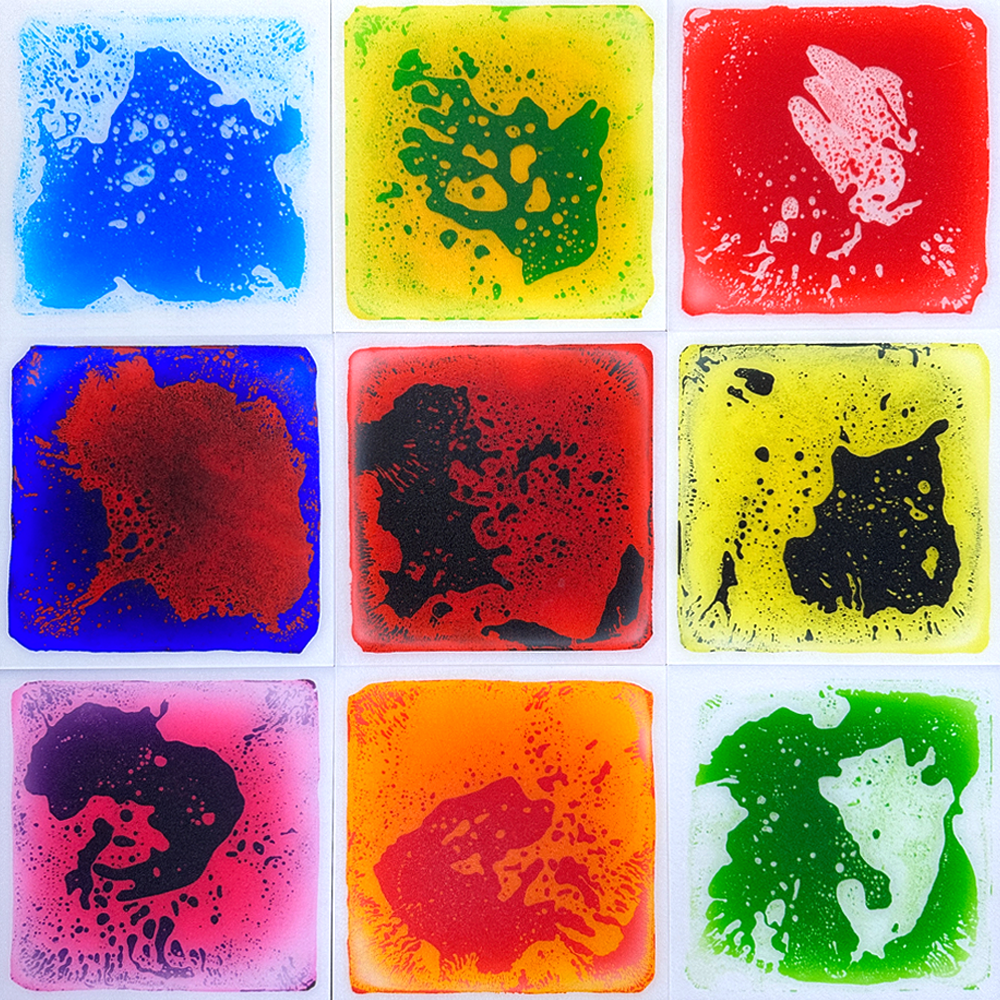
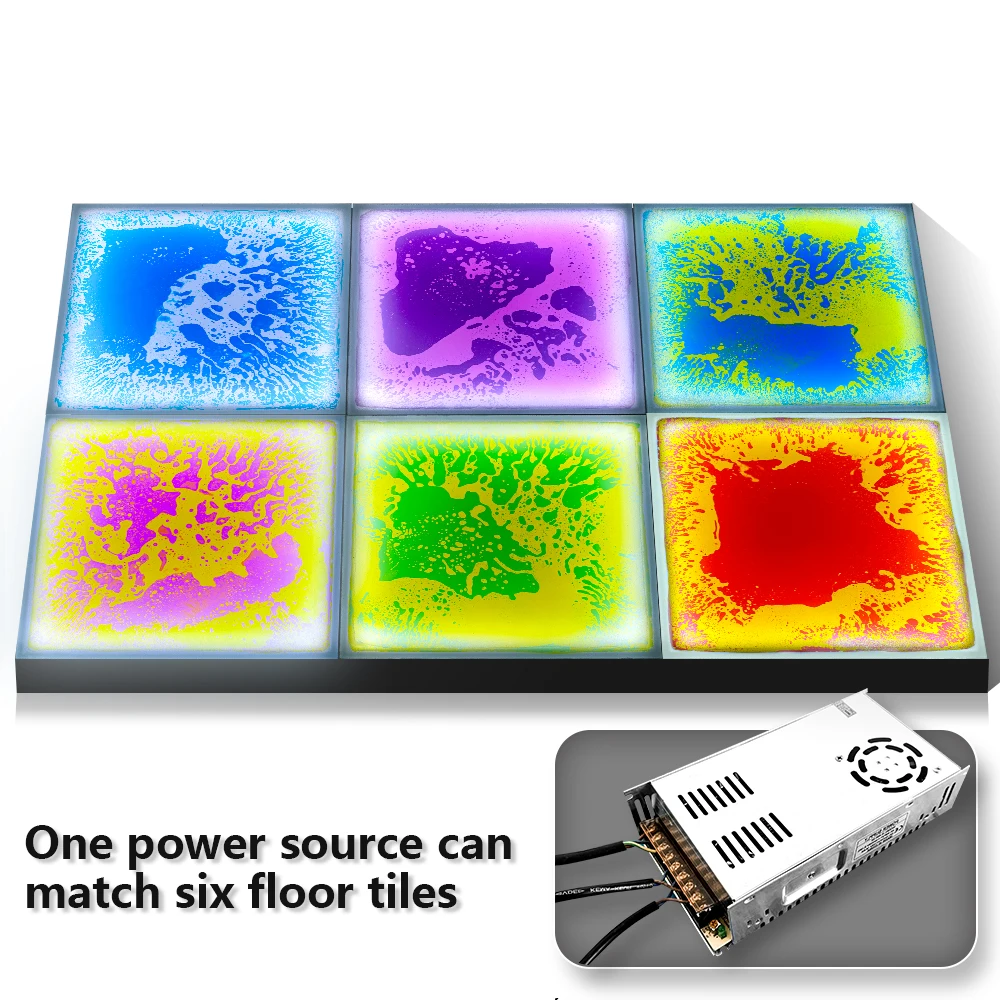
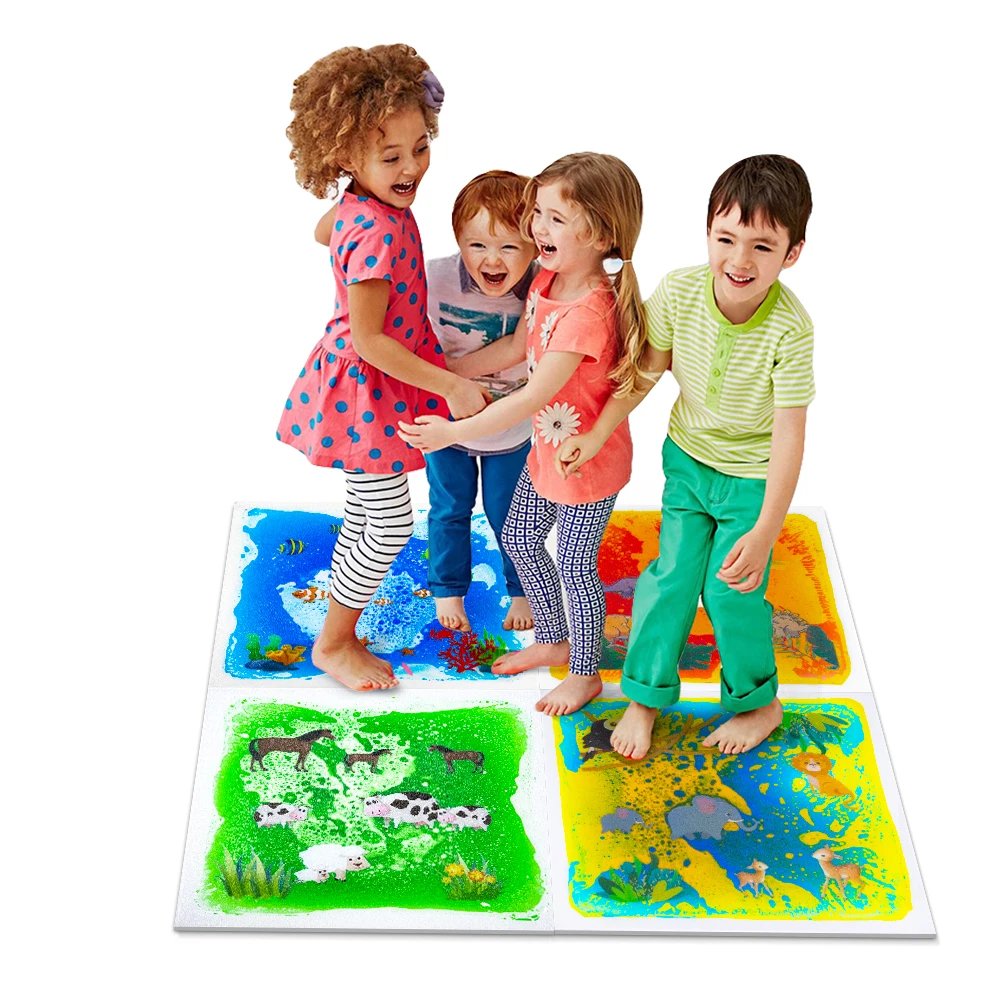
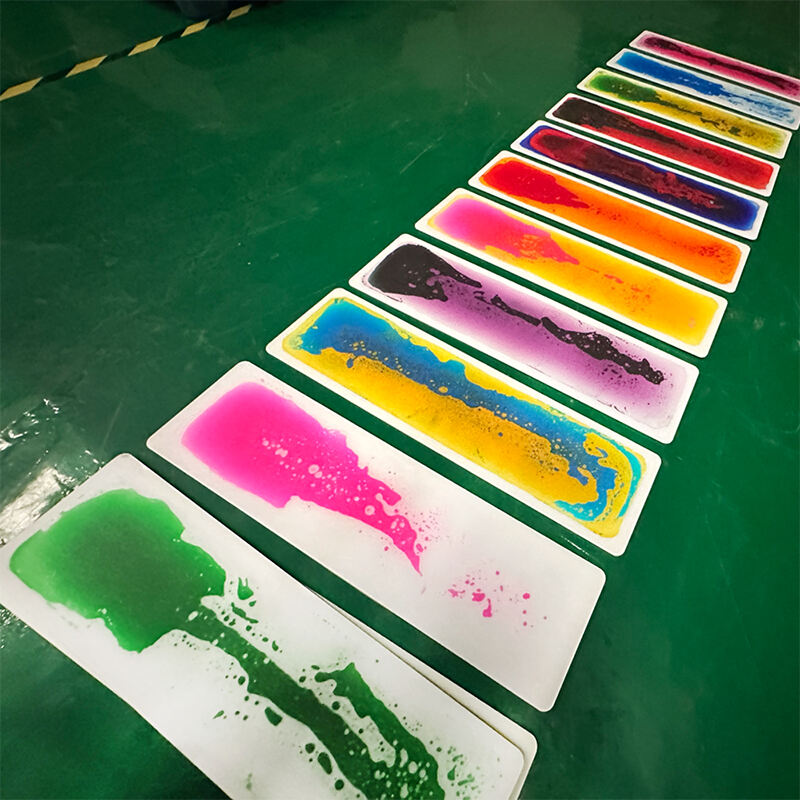
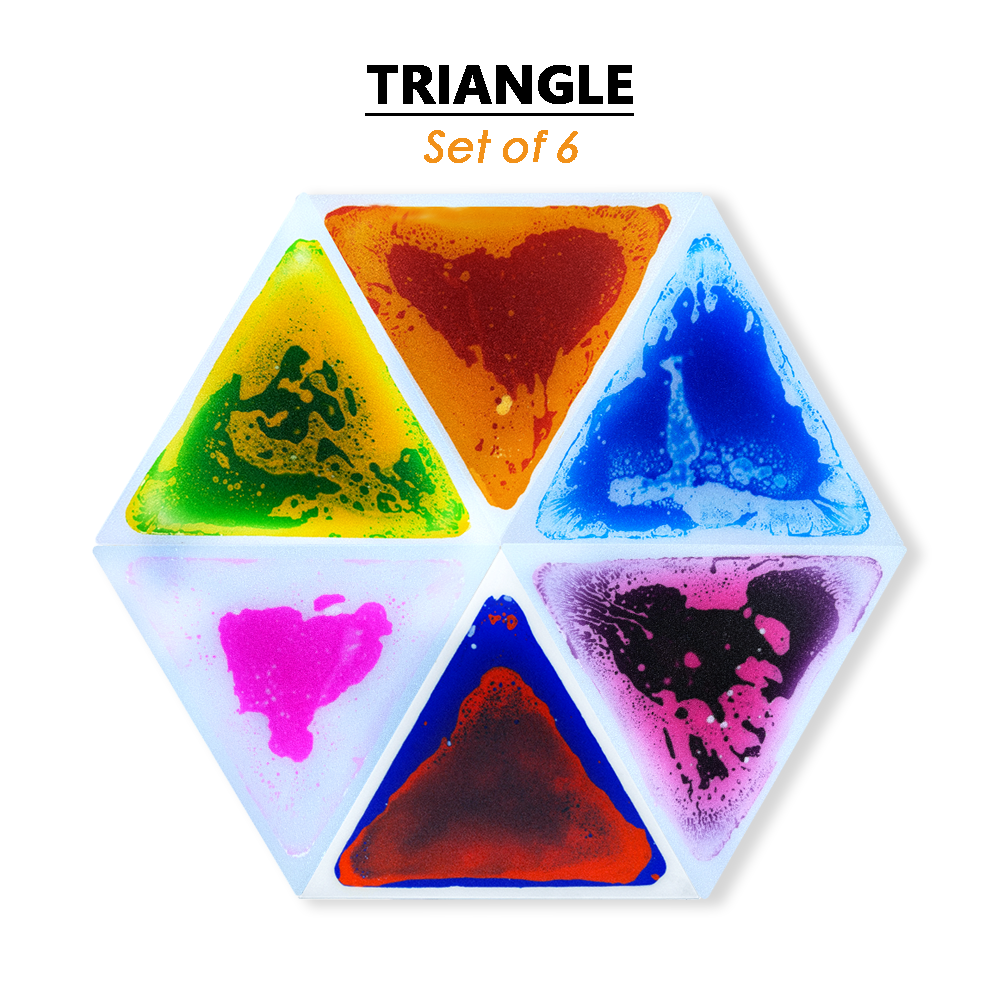
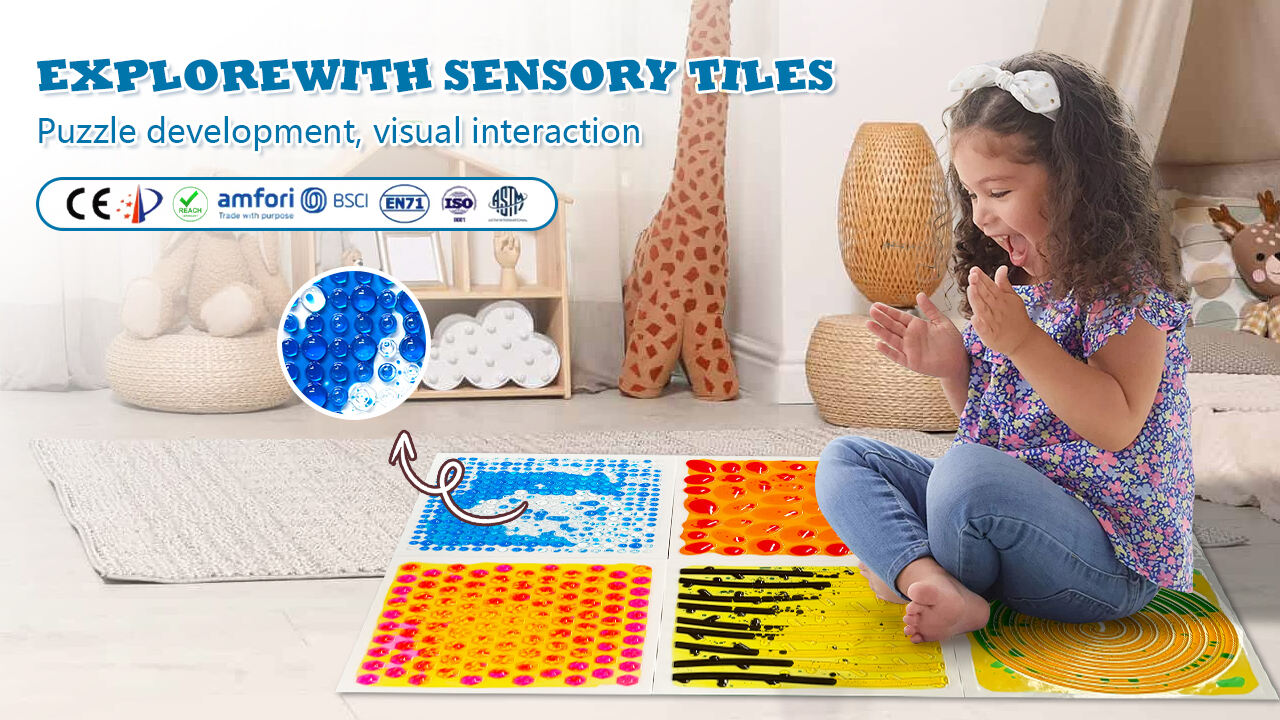
Incorporating sensory elements such as liquid sensory tiles transforms traditional play into an engaging, multi-sensory experience. These tiles provide interactive opportunities that capture children's attention and promote sensory exploration. When combined with light-up balance beams, they create a dynamic environment that stimulates visual, tactile, and physical play. Research suggests that integrating such sensory elements can significantly improve focus and engagement, particularly in children with sensory processing difficulties. This synergy nurtures a holistic play approach, fostering both physical activity and sensory awareness, ultimately contributing to children's overall developmental growth.
Low-profile balance beams are specifically crafted for toddlers, providing a safe space for exploration and learning. By keeping the beams closer to the ground, toddlers can begin practicing their balance skills without the fear of falling from significant heights. This design is crucial as it offers the perfect setting for toddlers to experience early successes, building their confidence and basic motor skills. Moreover, these balance beams often come adorned with vibrant colors and intriguing textures, which captivate young children and encourage them to engage in play. Incorporating visual and tactile elements not only makes the beams more appealing but also stimulates sensory development in toddlers. Additionally, customizing these beams for various age groups allows for tailored growth experiences aligned with each child's readiness and ability level.
For school-aged children, balance beams are designed with increased challenges to enhance their physical and cognitive abilities. These beams often vary in height and width, presenting progressive challenges that encourage kids to refine their balancing skills. As children navigate these more complex setups, they develop both physical strength and cognitive skills, improving their ability to plan movements and solve problems. Adding features like lights or interactive elements can further motivate children to engage in active play, providing a fun yet challenging experience. This progression through different levels of difficulty not only boosts self-esteem but also ensures children remain engaged and excited about their achievements, fostering a positive approach to learning new skills.
Adaptable balance beam configurations for teens and adults offer opportunities for fitness and inclusive social activities. Tailored with features that challenge older users, these configurations facilitate advanced skills training and support maintaining an active lifestyle. Adjustable heights and varying setups make this equipment appealing to a broad age range, ensuring it remains relevant as skills evolve. Such adaptability encourages participation from all age groups, creating inclusive environments that foster community engagement. Engaging in these balance activities can lead to improved fitness while also enhancing social bonds, as participants work together in balance and fitness activities, strengthening both their physical and community connections.
 Hot News
2024-06-17
2024-06-17
2024-06-17
Copyright © 2024, Dongguan Hengfu Plastic Products Co., Ltd. All Rights Reserved Privacy policy
 EN
EN
 AR
AR
 BG
BG
 HR
HR
 CS
CS
 DA
DA
 NL
NL
 FI
FI
 FR
FR
 DE
DE
 EL
EL
 IT
IT
 JA
JA
 KO
KO
 NO
NO
 PL
PL
 PT
PT
 RU
RU
 ES
ES
 SV
SV
 CA
CA
 TL
TL
 ID
ID
 LT
LT
 VI
VI
 SQ
SQ
 ET
ET
 GL
GL
 TH
TH
 TR
TR
 FA
FA
 MS
MS
 GA
GA
 CY
CY
 UR
UR
 BN
BN
 GU
GU
 MR
MR
 NE
NE
 KY
KY