Textured floor mats offer more than just aesthetic appeal; they play a critical role in sensory integration, particularly for children and individuals with autism. Tactile sensations are essential as they activate nerve endings and improve motor functions, aiding individuals in connecting with their environments more effectively. Additionally, visual elements like colors and patterns are not just decorative but also engage attention and enhance aesthetic appeal. Studies have shown that sensory stimuli can profoundly impact mood and behavior, offering calming effects and improving focus. Integrating these sensory elements into floor mats can transform them into powerful therapy tools, making them essential for both therapeutic and educational settings.
Modern textured floor mats utilize various materials such as rubber, foam, and fabric, each offering unique properties. Rubber is durable and offers excellent grip, while foam provides softness and cushioning, and fabric allows patterns to be vibrant and intricate. Patterns in these mats aren't just for decoration but are chosen for their sensory effects. Geometric, organic, and abstract designs are used strategically to stimulate specific sensory responses and align with modern interior trends. Statistics reveal a growing consumer preference for textured finishes and intricate patterns, indicating an increasing awareness of their sensory benefits. These materials and designs are thoughtfully selected to ensure the mats not only serve a functional purpose but also blend seamlessly into contemporary home decor.
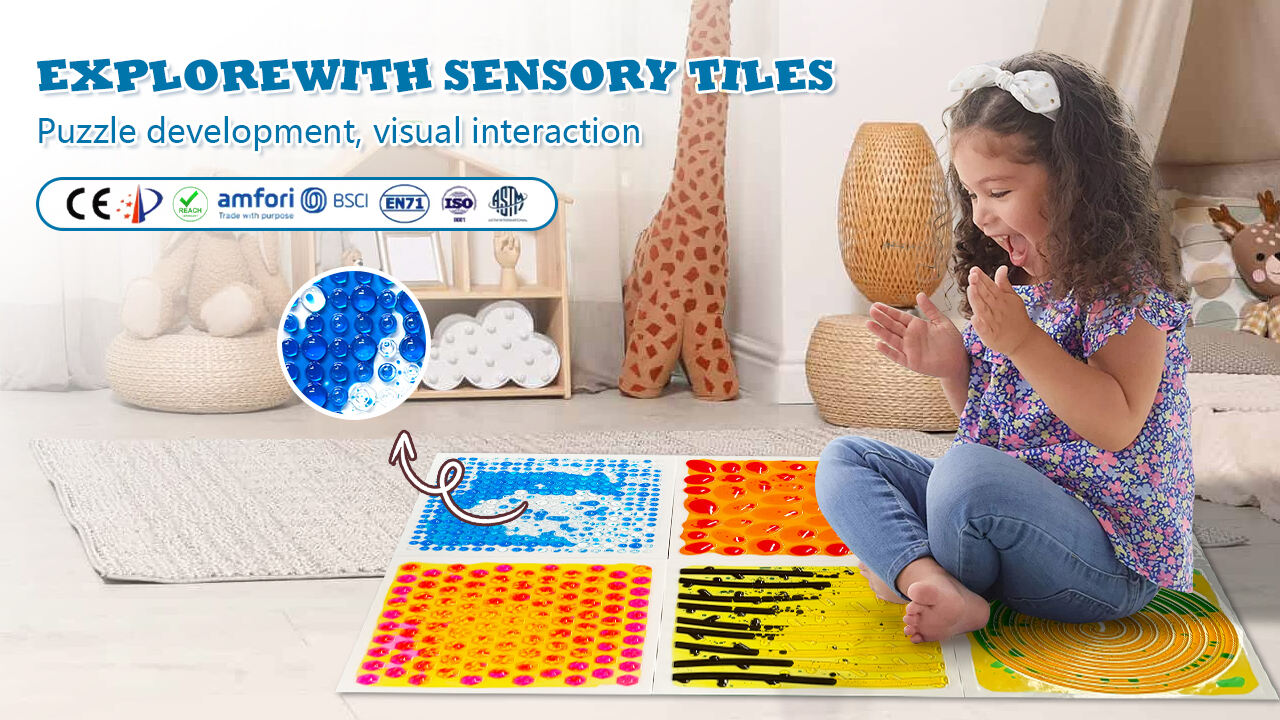
Textured floor mats play a crucial role in providing tactile stimulation, which can greatly aid children with autism and those with Sensory Processing Disorder (SPD). The varied textures stimulate different tactile responses, helping individuals develop fine motor skills through repetitive sensory experiences. Research indicates that sensory mats can be effective in calming individuals with SPD, as they offer a controlled and predictable environment that allows for self-soothing. By providing this essential tactile feedback, textured mats empower individuals to better navigate their sensory worlds, promoting a feeling of safety and security.
Visual sensory engagement is equally essential, especially for children with autism. The diverse patterns on sensory mats engage children's visual senses, which can create stimulating yet calming environments. Evidence suggests that specific patterns can influence attention and concentration levels; engaging visuals can hold a child's attention longer, allowing deeper engagement with the activity at hand. Expert studies reveal that environments optimized with appropriate visual stimuli encourage longer periods of focus, which are beneficial for both cognitive and emotional development.
The sensory experiences provided by textured floor mats contribute significantly to cognitive development in children. These mats offer a unique blend of tactile and visual stimuli, which has been linked to improvements in focus and learning outcomes. Studies have shown that sensory-optimized environments can lead to increased engagement and improved task performance. The practical exploration of textured surfaces provides a form of play that promotes problem-solving and attention to detail, essential components in a child's cognitive growth journey.
Creating a calming space within the home is essential for individuals with autism and Sensory Processing Disorder (SPD). Specific textured mats play a crucial role in reducing overstimulation by offering tactile input that minimizes background noise. These mats help in transforming environments that might otherwise feel overwhelming into serene and manageable spaces. Many parents and therapists share positive experiences, noting how tactile input from sensory mats leads to significant calming effects. Aspects like the material, thickness, and pattern can produce a noticeable difference in the ambiance, ultimately promoting comfort and relaxation.
When designing autism-friendly home environments, selecting the appropriate textured mats becomes paramount. These mats should be carefully chosen, considering color palettes that do not overstimulate and textures that enhance comfort. Key guidelines suggest focusing on soft, muted colors and gentle patterns to cater to unique sensory needs. Resources like Autism Speaks and other organizations offer comprehensive assistance to parents, providing valuable guidance and support in creating spaces that are not only safe but nurturing for their children. These resources ensure that families are equipped with the knowledge and tools to design optimal living spaces.
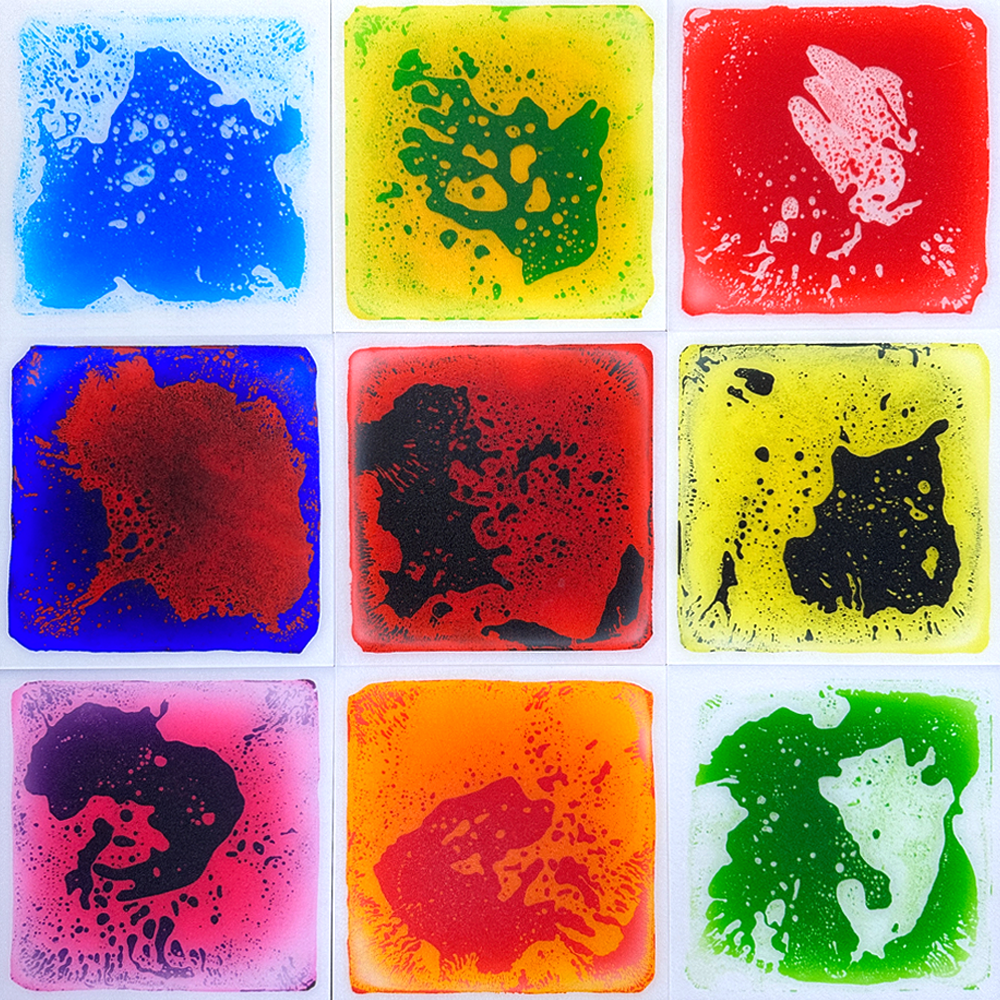
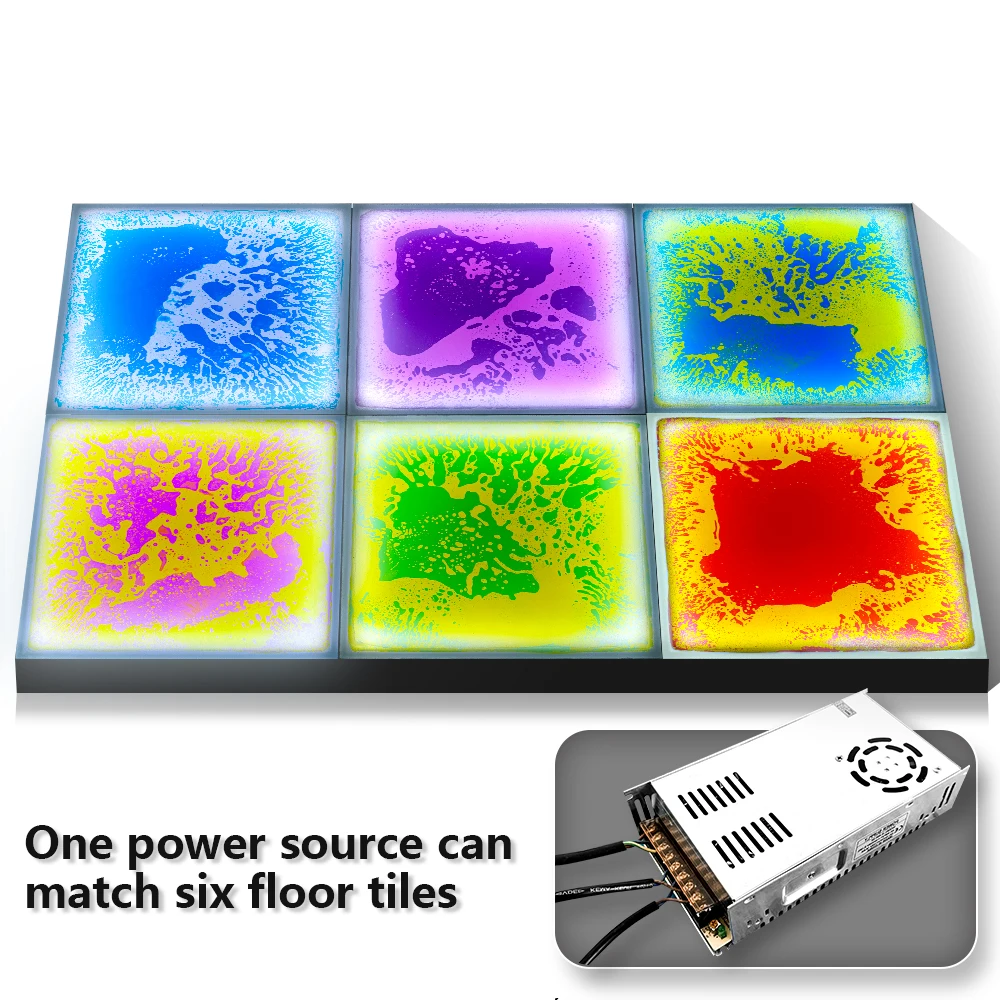
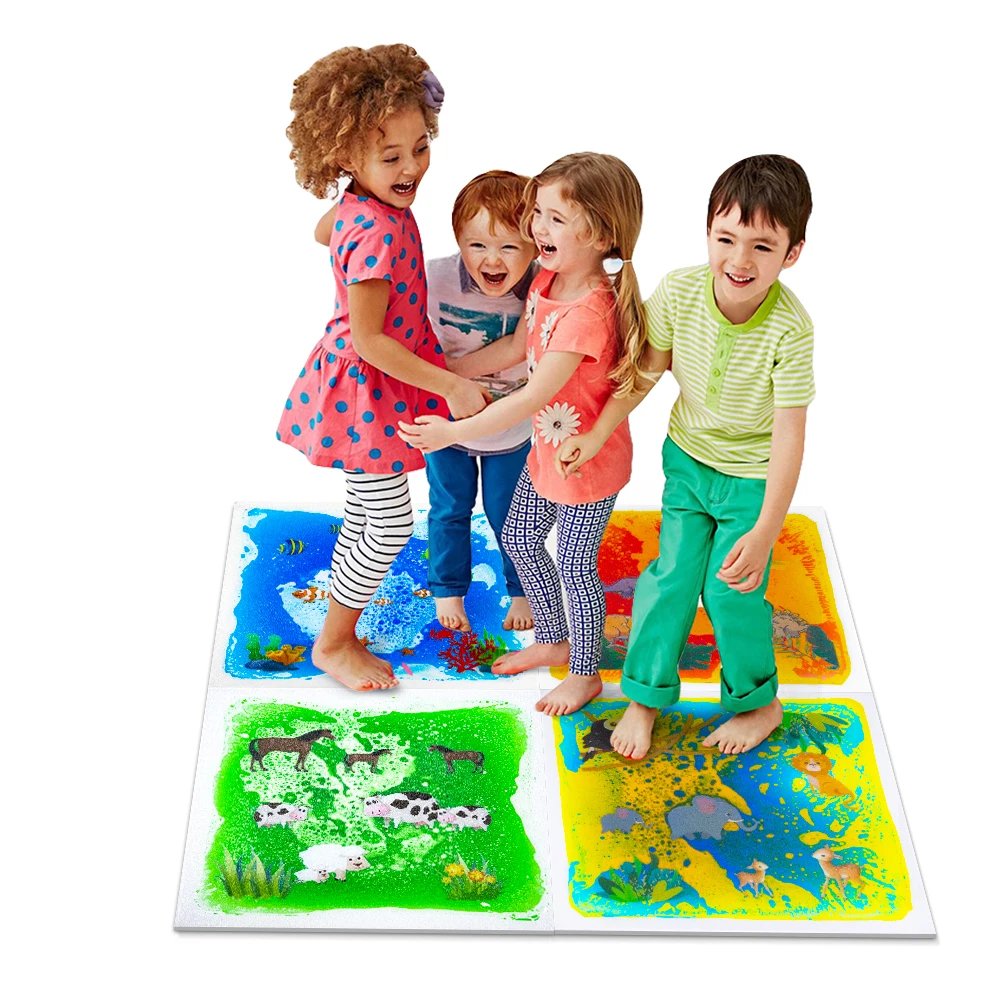
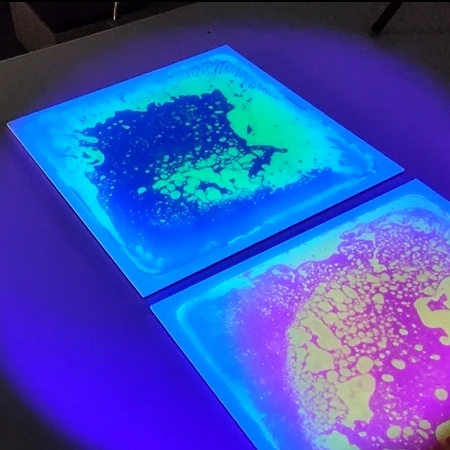
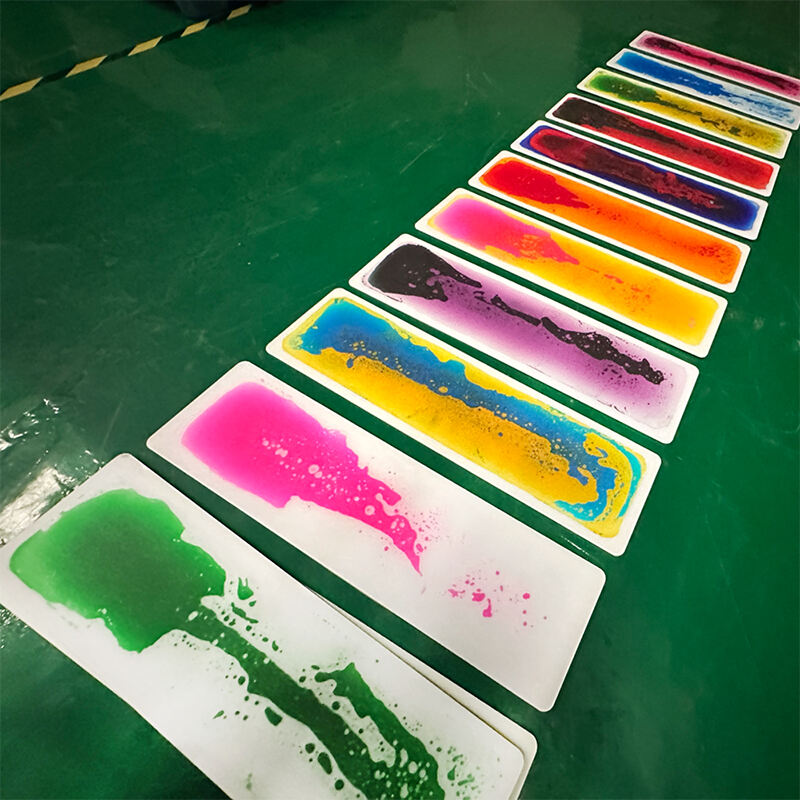
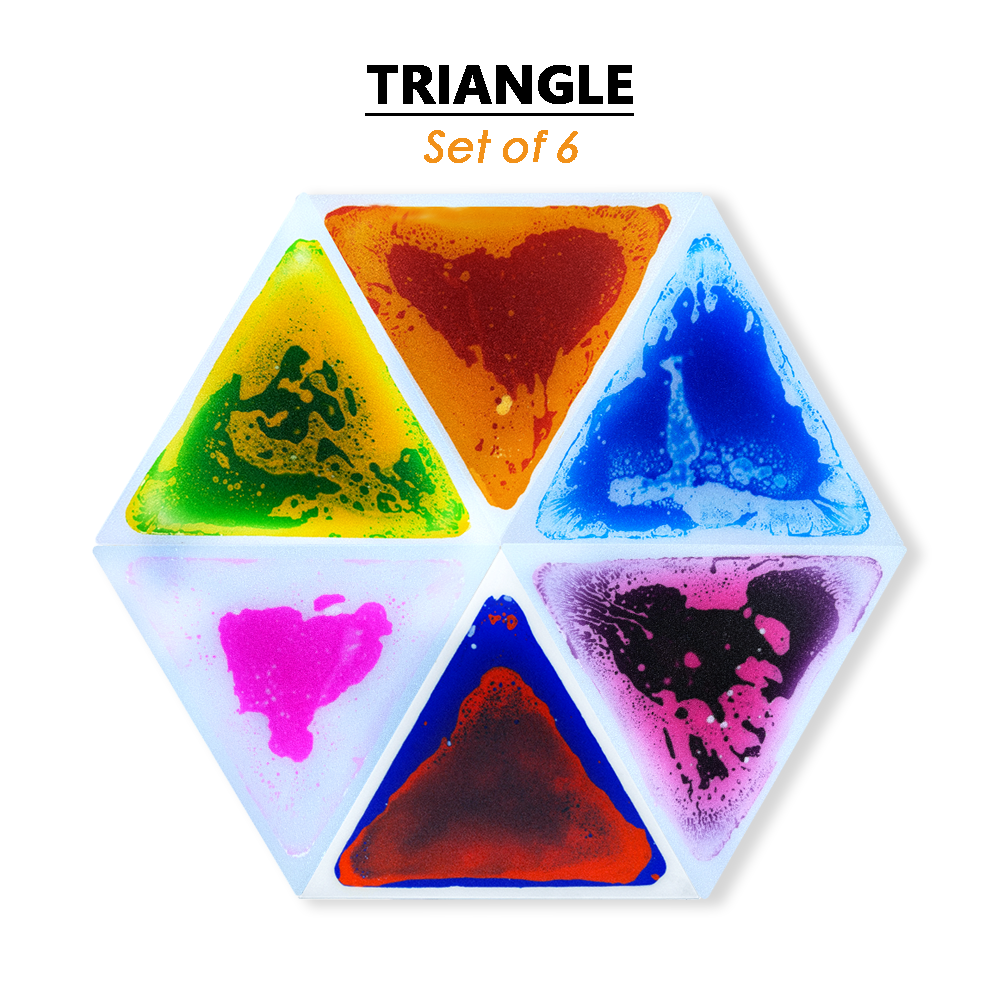
Integrating liquid sensory tiles with textured mats creates a dynamic multi-sensory experience, ideal for enhancing both physical and emotional well-being. The combination brings together movement, color, and texture, offering varied sensory input that can engage and captivate children. However, safety remains a critical consideration. Ensuring that both the liquid tiles and textured mats are securely placed can prevent accidents. Furthermore, this synergy of textures not only promotes exploration and play but also aids in emotional regulation, offering a comprehensive approach to sensory input that can be deeply therapeutic.
Textured floors are exceptionally beneficial for the enhancement of gross and fine motor skills, making them a valuable asset in early childhood education. These mats come with varied textures and shapes that challenge children to explore different movements, thereby promoting physical development. A study highlighted in "9 Benefits of Sensory Floor Mats (2025)" illustrates how sensory mats improve motor skills by engaging children in unique movement patterns, such as balancing over soft and hard areas. This engagement is crucial for building strength and coordination, skills that are foundational for activities ranging from sports to basic daily tasks.
Proprioception plays a vital role in bodily awareness, allowing individuals to perceive the position and movement of their body parts. Textured mats enhance this crucial sense by providing stimulating surfaces that require constant adjustment and adaptation. According to experts, sensory mats offer a unique platform for proprioceptive stimulation through their varying heights and patterns, reinforcing muscle strength and improving spatial awareness. The "9 Benefits of Sensory Floor Mats (2025)" describes how these textures offer a safe playground where children can develop a deeper understanding of their body's capabilities, enhancing body awareness and fostering confidence.
Pairing textured floor mats with trending interior design styles can elevate a space's aesthetic appeal. These mats can enhance themes such as minimalist, bohemian, or modern interiors. For instance, pairing patterned mats with muted tones or wooden accents in Scandinavian designs creates a warm and inviting atmosphere. Similarly, colorful mats can complement eclectic styles that embrace vibrant hues and varied patterns. Case studies often demonstrate how integrating textured mats not only fulfills sensory needs but also adds visual interest. Consulting interior design experts for advice on color coordination and use of space can be beneficial. Moreover, opting for mats that match existing decor can maintain a cohesive look within a room.
To ensure the longevity and hygiene of textured mats, regular maintenance is crucial. Best practices include vacuuming or sweeping to remove dust and debris and spot-cleaning using mild detergents for any spills. These practices help maintain the mat's appearance and prevent damage over time. The durability of sensory mats can vary based on the materials used; for example, rubber mats are known for their resilience and ease of cleaning, while foam mats offer comfort but may require more careful handling. Understanding the specific care instructions for different materials is essential to preserving the quality and functionality of these mats. Regular inspection for wear and tear can help identify the need for replacement, ensuring continued effectiveness in providing sensory stimulation.
 Hot News
2024-06-17
2024-06-17
2024-06-17
Copyright © 2024, Dongguan Hengfu Plastic Products Co., Ltd. All Rights Reserved Privacy policy
 EN
EN
 AR
AR
 BG
BG
 HR
HR
 CS
CS
 DA
DA
 NL
NL
 FI
FI
 FR
FR
 DE
DE
 EL
EL
 IT
IT
 JA
JA
 KO
KO
 NO
NO
 PL
PL
 PT
PT
 RU
RU
 ES
ES
 SV
SV
 CA
CA
 TL
TL
 ID
ID
 LT
LT
 VI
VI
 SQ
SQ
 ET
ET
 GL
GL
 TH
TH
 TR
TR
 FA
FA
 MS
MS
 GA
GA
 CY
CY
 UR
UR
 BN
BN
 GU
GU
 MR
MR
 NE
NE
 KY
KY