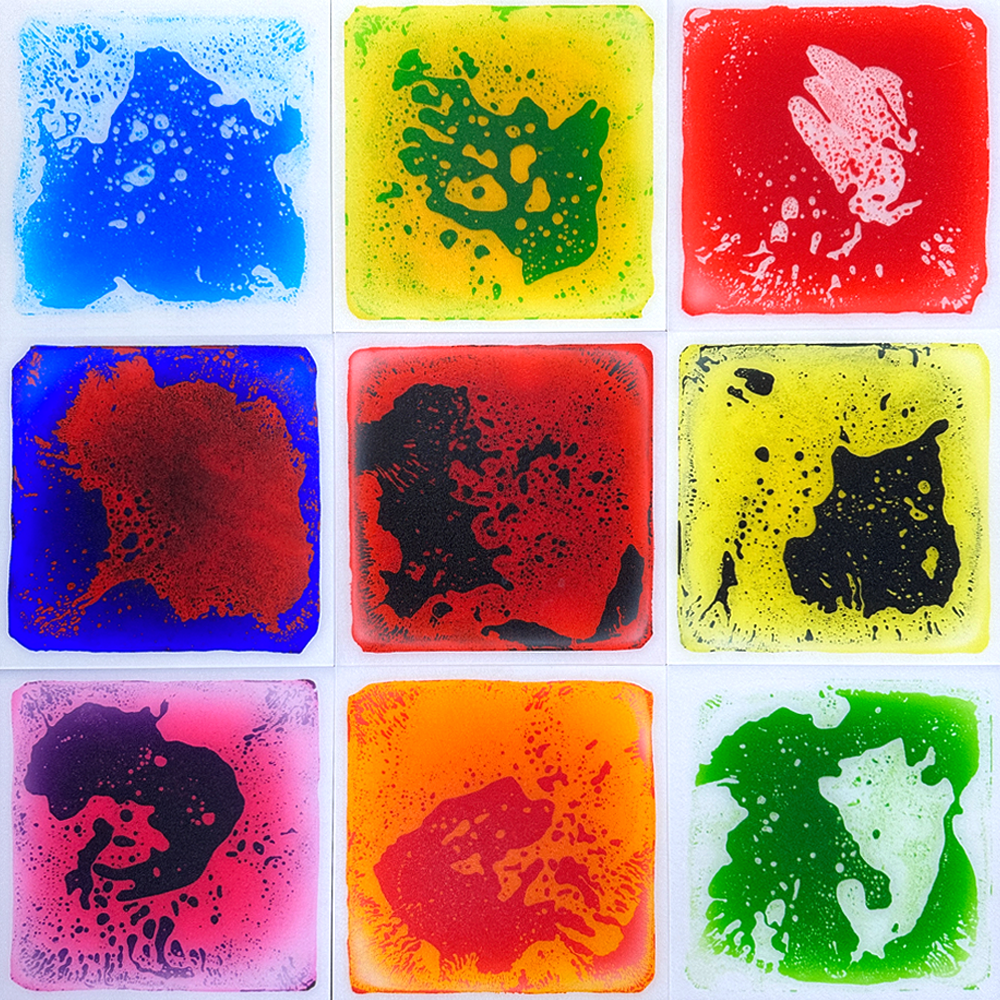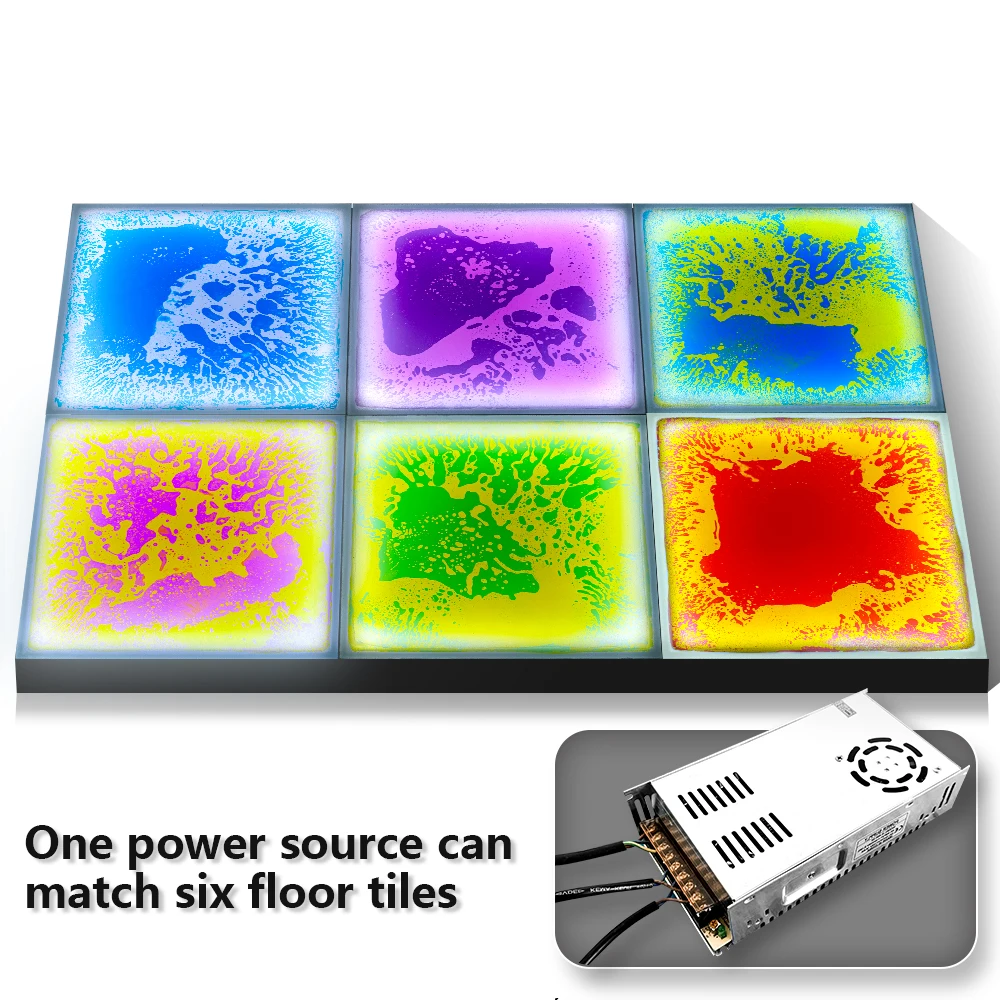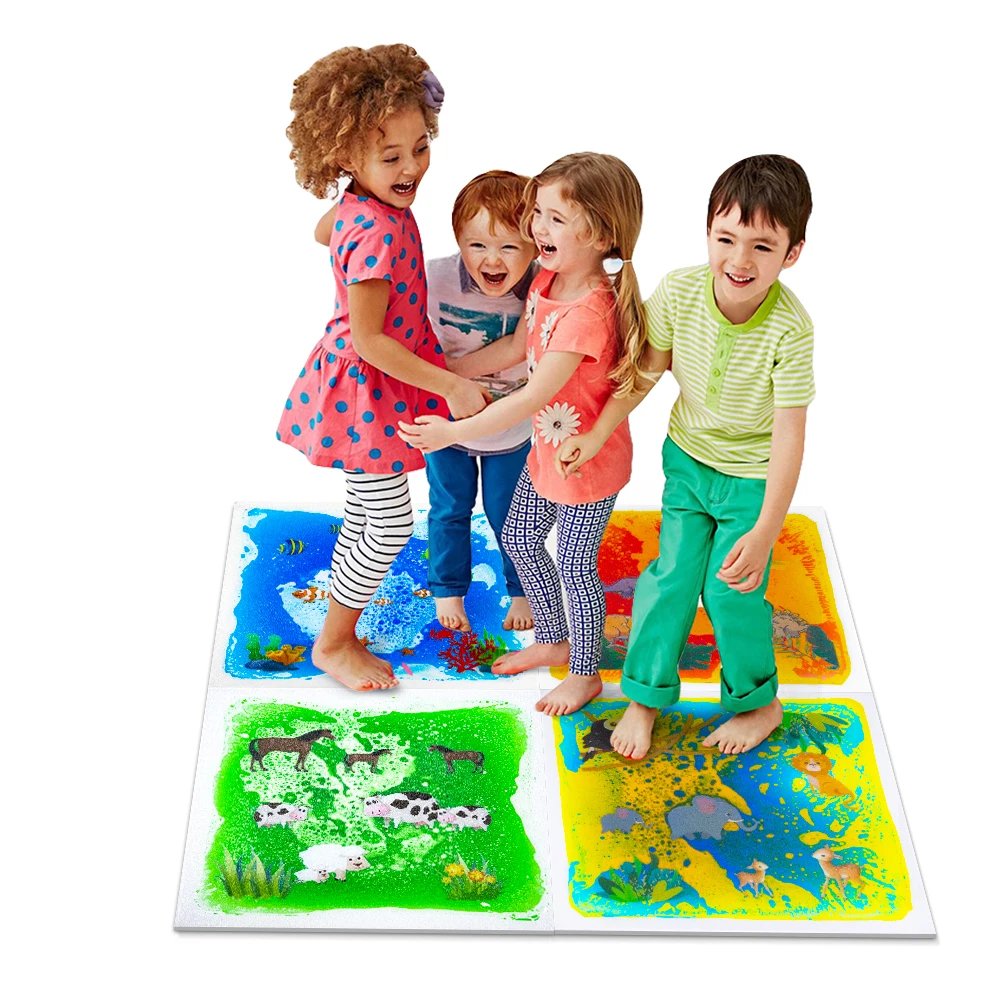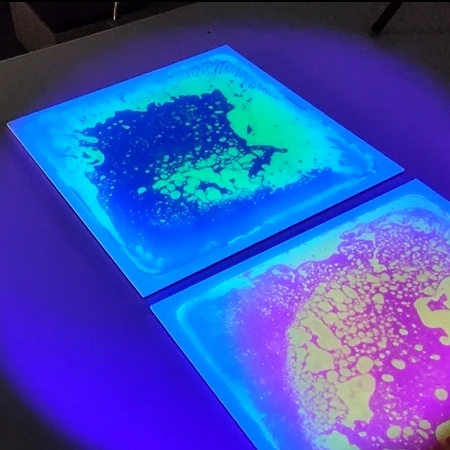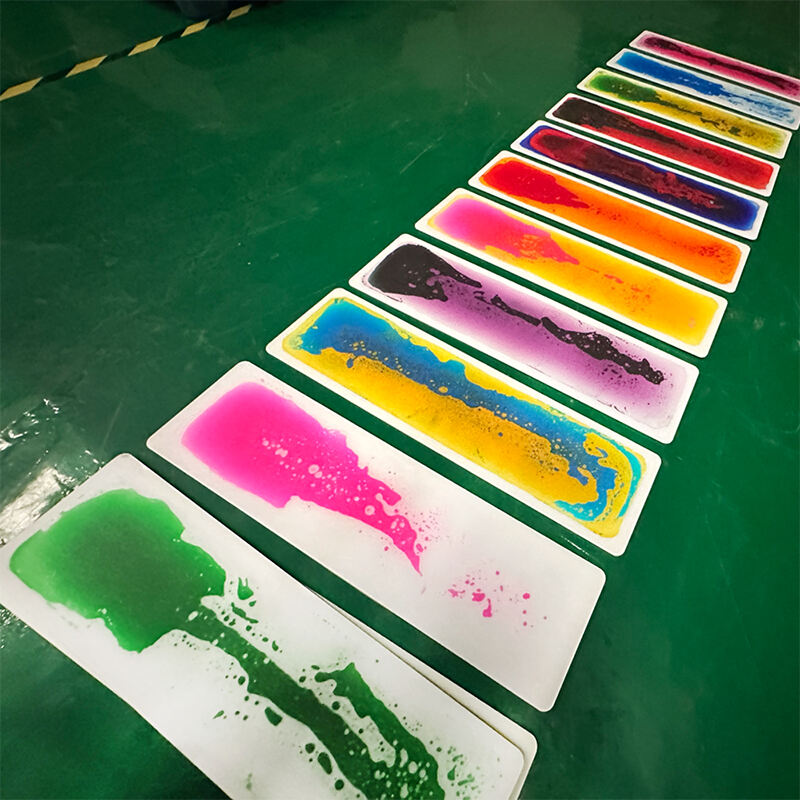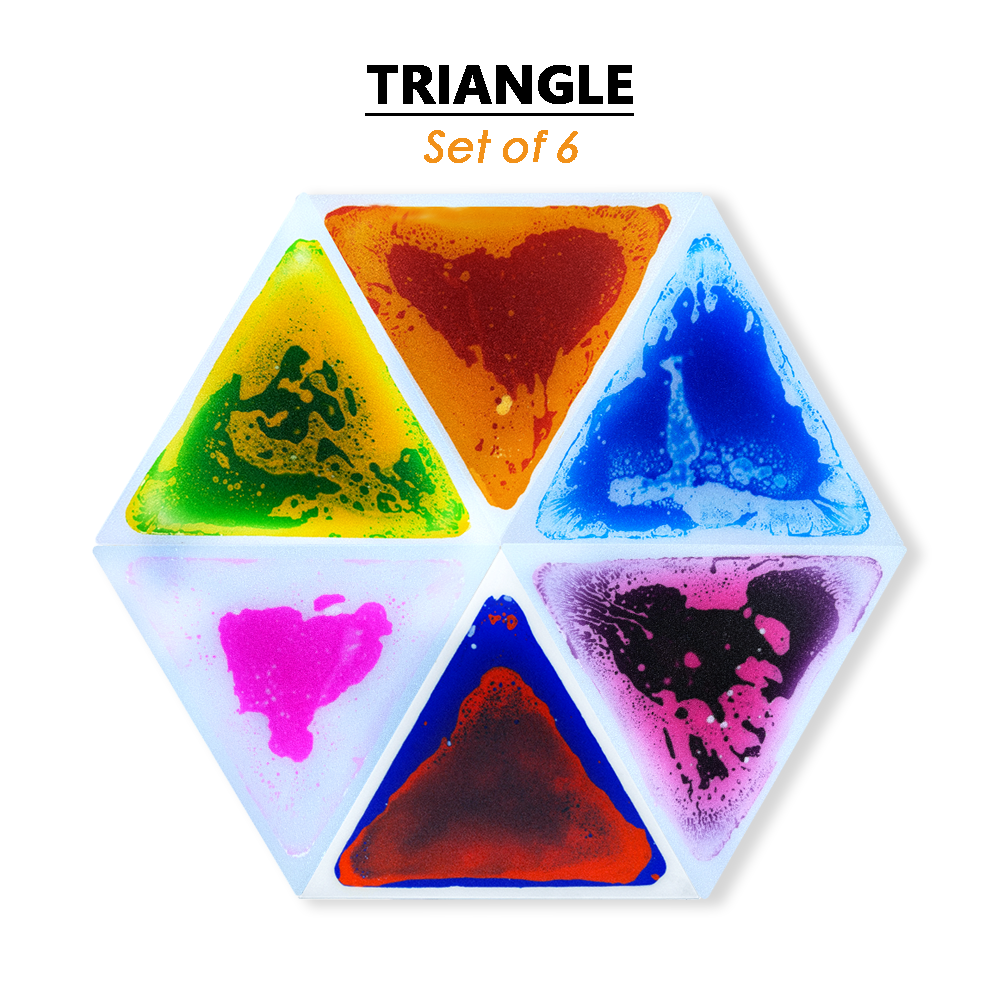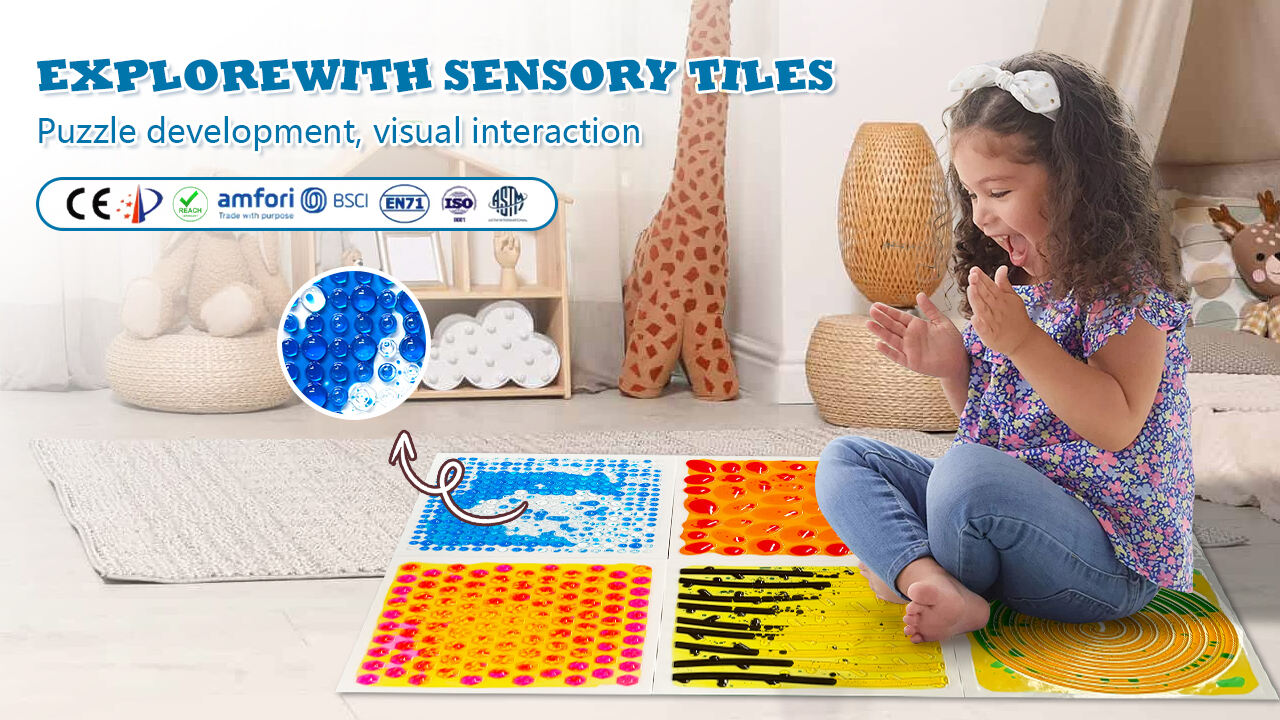
These colorful sensory tiles filled with liquid create a fun way for little ones to explore touch, sight, and body awareness all at once. When kids press on them, the liquid moves around right away, teaching them about actions and reactions something babies start picking up on from birth. Research published in the Early Childhood Development Journal back in 2023 found that playing with stuff like this can boost fine motor skills by nearly half. That matters because those tiny fingers need strength to hold pencils later on. Just think about how much squeezing and pressing goes on during playtime with these tiles it's basically exercise for developing hands!
Playing with multiple senses going at once really helps little brains grow stronger pathways between different parts. Kids who press colorful tiles and watch them change colors are actually building links in their minds between how they feel things and understand space around them. Some studies have found that this kind of sensory stimulation might boost problem solving abilities quite a bit too. One recent paper from the Journal of Pediatric Neuroscience even suggested improvements around 22 percent after regular engagement with these types of activities.
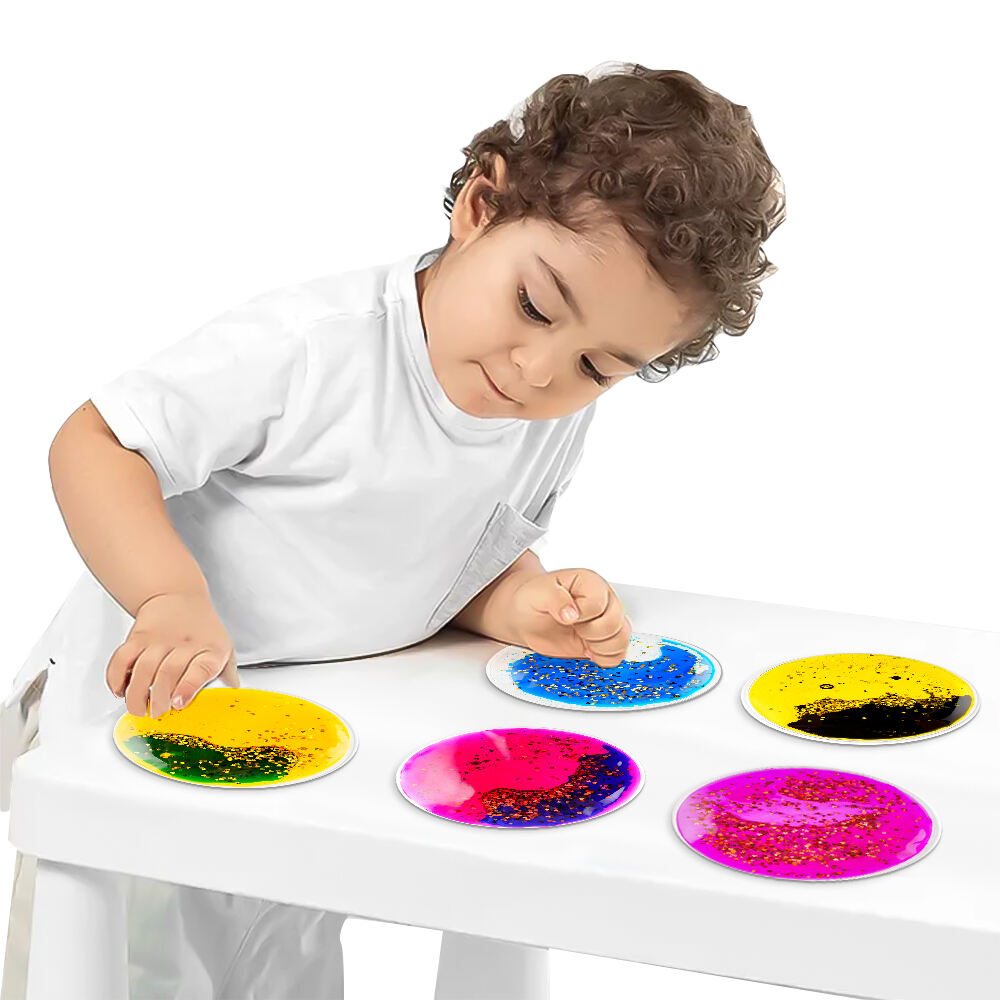
A 2024 study found that classrooms using colorful sensory liquid tiles saw a 78% increase in sustained attention spans among preschoolers, particularly in children with sensory processing differences (Child Development Institute Report). The rhythmic motion of the liquid provides a predictable, calming input, reducing overstimulation while improving concentration during structured tasks.
The colorful sensory liquid tiles give kids something really fun to do with their hands that gets their brains working too. When little ones press down on them, swirl around the gooey stuff, or just mess around generally, they see all sorts of color changes happen right before their eyes. The way the tiles react makes playing with them totally unpredictable which is great for letting imaginations run wild. Plus, as children figure out how different actions create different results, they're actually learning about cause and effect without even realizing it. Best part? There's no pressure involved since mistakes are just part of the game.
Tiles become little worlds where kids let their imaginations run wild. When playing with these colorful pieces, children start seeing patterns as something more than just shapes on a board. A red trail might be a river flowing through mountains, or maybe even a road leading to a secret kingdom somewhere. The act of creating stories around these patterns actually helps build both language abilities and brain power at the same time. Role playing during tile games teaches kids how others feel too, which makes them better friends overall. And interestingly enough, studies show that when kids get hands-on with things like building blocks or arranging tiles, they remember stuff about 43 percent better than if they just sit there listening passively according to some research from Ponemon back in 2023.
A kindergarten class integrated colorful sensory liquid tiles into group activities, resulting in improved teamwork and idea-sharing. Teachers observed that children who struggled with verbal expression began communicating through collaborative tile designs. The fluid, non-judgmental nature of the medium reduced performance anxiety, allowing creativity to flourish organically.
These colorful sensory tiles are becoming really popular among kids who get overwhelmed by too much stimulation. They combine the visual appeal of moving colors with the feeling of gentle pressure when touched. Teachers have noticed something interesting too. According to some studies from the SEL Toolkit Project back in 2023, kids actually recover from emotional distress about 62% quicker when they use these tiles instead of just doing regular breathing exercises. What makes them special is their compact design that doesn't make a mess. Kids can play around with them freely without worrying about cleanup. The way the liquid moves inside also seems to match up with slower breathing rhythms, which helps little ones settle down naturally over time.
Research indicates that kids who are neurodivergent tend to get better at identifying and expressing their feelings when they play with those colorful sensory liquid tiles for about eight weeks straight (Mills and others found this in 2022). When little hands press down on the tiles and see those pretty colors swirl around predictably, it actually helps form those important emotional regulation pathways in their brains. The brain makes stronger links between what they feel through touch and how they process emotions overall. Many occupational therapists now combine these tiles with picture-based emotion charts as part of their toolkit. Parents have noticed real changes too - nearly 8 out of 10 report that their children throw fewer tantrums during tough times like leaving for school or winding down before bed.
Sensory liquid tiles come in all sorts of bright colors and totally change how kids experience their learning environment. When little hands press on these tiles or move the flowing liquid around, it does wonders for developing spatial awareness while also promoting teamwork among classmates. According to research from Melbourne University last year, classrooms equipped with these interactive tiles noticed about double the amount of kids playing together during those unstructured times. Teachers love how easy it is to slot these tiles into different areas throughout the school day. They fit right into cozy reading spots, science activity zones, even special quiet corners where kids can unwind. The adjustable brackets mean younger toddlers can reach just as easily as older elementary students. A lot of schools have started combining these tiles with portable chalkboards too, letting teachers quickly set up spontaneous art projects whenever inspiration strikes. The whole setup creates learning spaces that actually grow and change along with what interests the students at any given moment.
Colorful sensory liquid tiles fit right into what Montessori and Reggio Emilia programs are all about when it comes to letting kids learn on their own and interact with their surroundings. These tiles respond to touch by changing patterns depending on how much pressure is applied and where someone moves their hands across them. Kids love figuring out what happens next, which helps them test ideas and understand cause and effect relationships naturally. Some teachers who work with Reggio inspired classrooms have actually seen about half as many kids getting distracted during activities when they use these interactive tiles instead of regular old sensory boards, according to a report from Early Childhood Innovation in 2023. When educators set up rotating stations that mix these tiles with things like sand or different kinds of wood textures, children develop better thinking skills because they're engaging multiple senses at once. Research shows this kind of multi-sensory experience plays a big role in building those important executive functions in young brains. Plus, this method really brings Montessori's idea that our hands are powerful learning tools to life, all while creating play areas that can adapt to different needs and abilities.
Studies keep showing how beneficial those colorful sensory liquid tiles can be for kids' development. One long term research project followed preschoolers who played regularly with these sensory wall toys. After just six months, researchers noticed about a 40% boost in their motor coordination skills. The improvement seems linked to better hand eye coordination as well as more practice with moving both sides of the body together. This kind of finding comes from work published by the National Institutes of Health under reference number PMC9340127.
Parents and educators report broader developmental gains:
These findings validate sensory walls as scalable tools for inclusive learning environments–supporting motor, cognitive, and emotional development through structured sensory exploration.
The dynamic textures and color shifts in sensory liquid tiles actively engage proprioceptive and vestibular systems. Clinical observations link this to faster milestone achievement in tasks like buttoning clothes or using scissors, with particularly pronounced benefits for neurodiverse learners.
Educators highlight sensory tiles’ role in creating adaptable learning stations. One kindergarten teacher noted, “Students self-select sensory breaks, returning to group activities with renewed concentration.� Parent surveys echo this, with 85% affirming that home-based sensory play reinforces school-learned regulation strategies.
 Hot News
2024-06-17
2024-06-17
2024-06-17
Copyright © 2024, Dongguan Hengfu Plastic Products Co., Ltd. All Rights Reserved Privacy policy
 EN
EN
 AR
AR
 BG
BG
 HR
HR
 CS
CS
 DA
DA
 NL
NL
 FI
FI
 FR
FR
 DE
DE
 EL
EL
 IT
IT
 JA
JA
 KO
KO
 NO
NO
 PL
PL
 PT
PT
 RU
RU
 ES
ES
 SV
SV
 CA
CA
 TL
TL
 ID
ID
 LT
LT
 VI
VI
 SQ
SQ
 ET
ET
 GL
GL
 TH
TH
 TR
TR
 FA
FA
 MS
MS
 GA
GA
 CY
CY
 UR
UR
 BN
BN
 GU
GU
 MR
MR
 NE
NE
 KY
KY