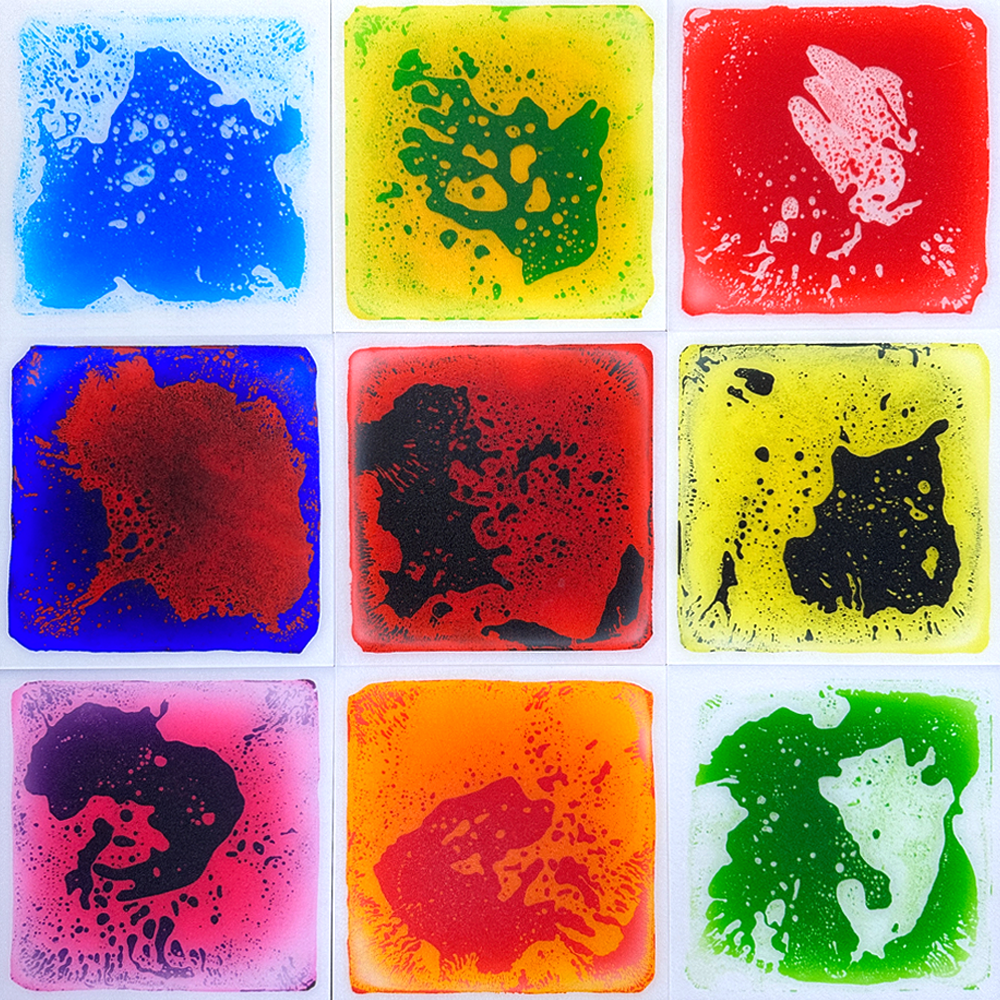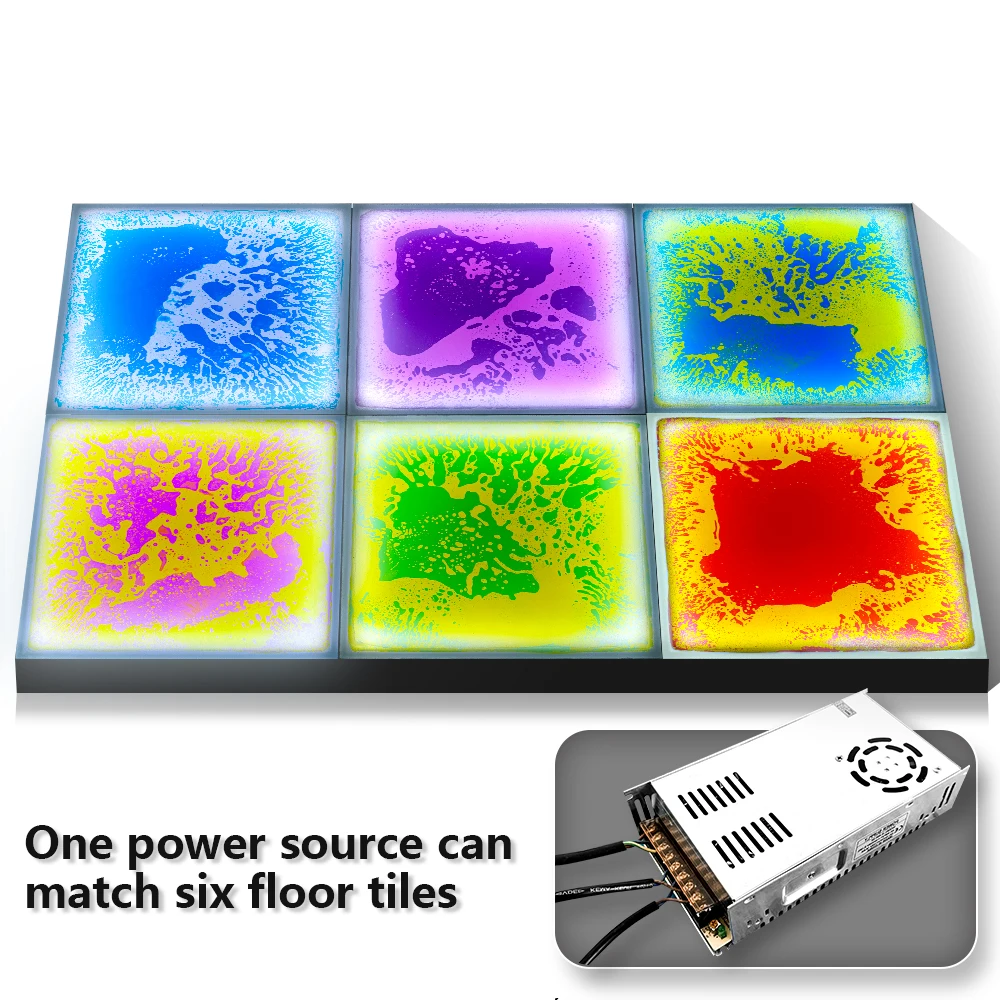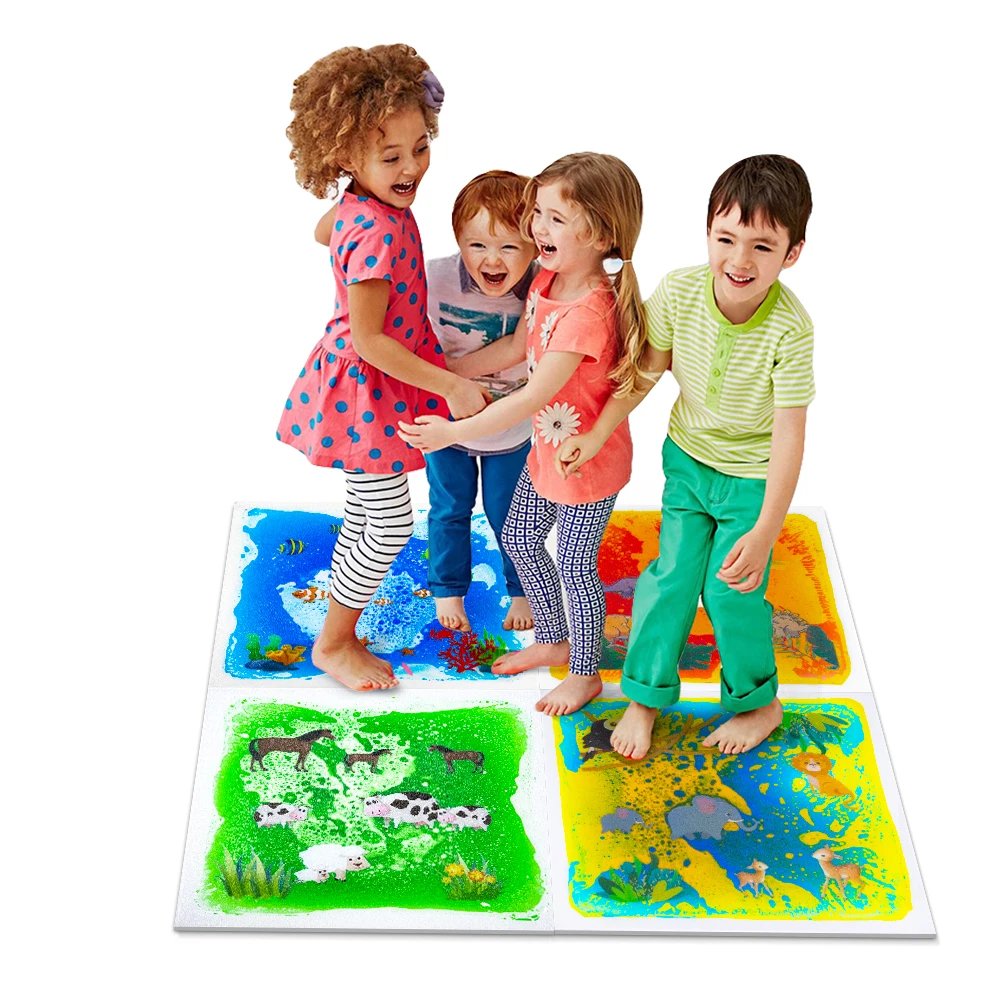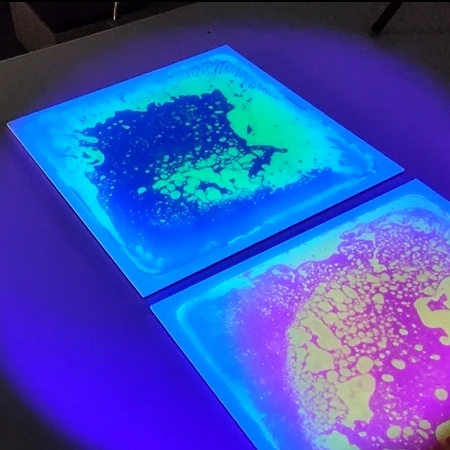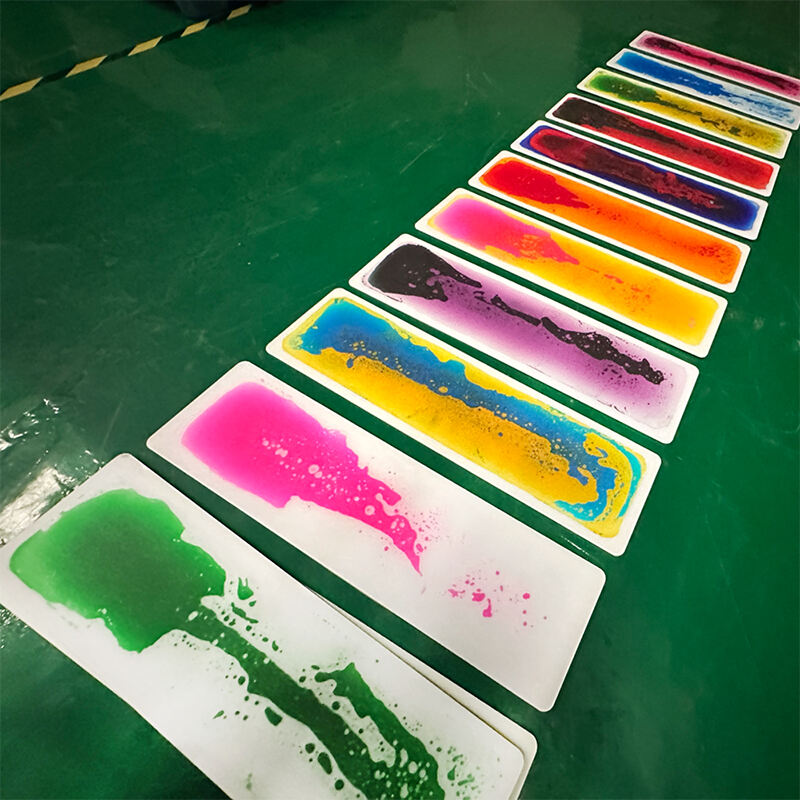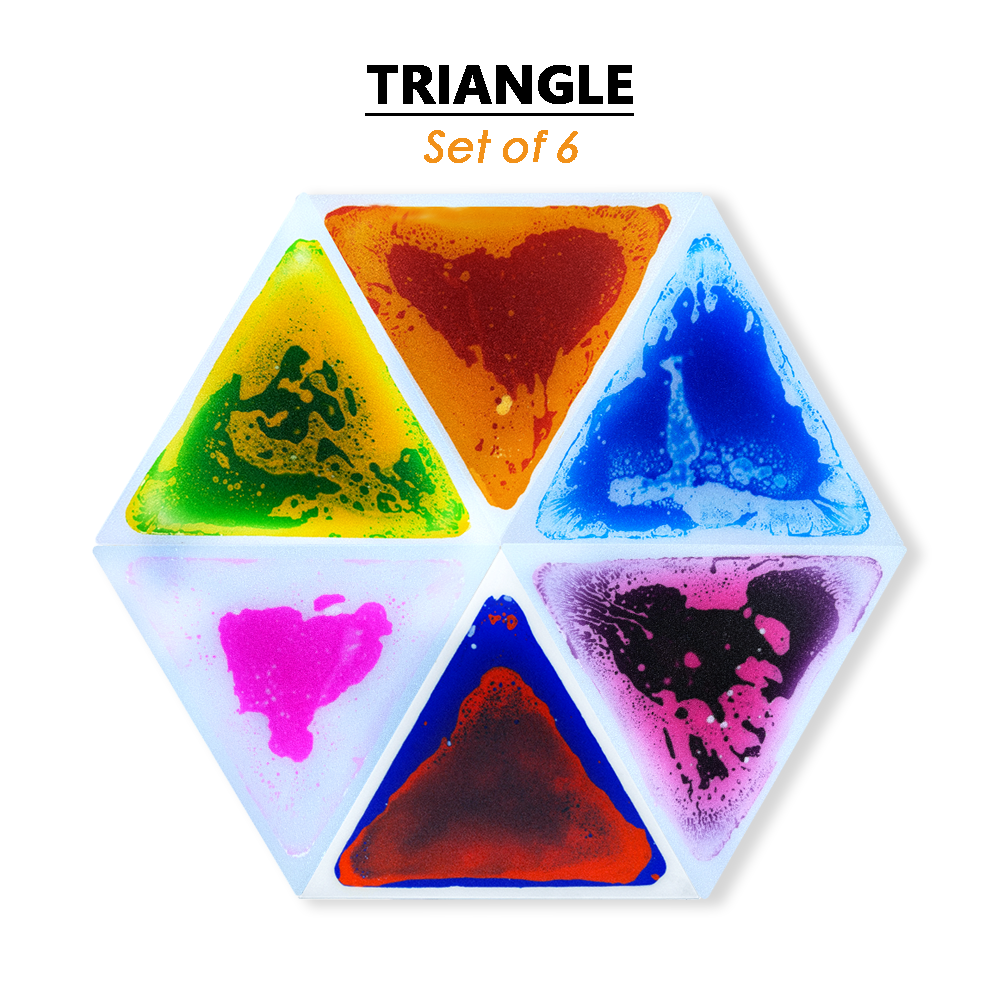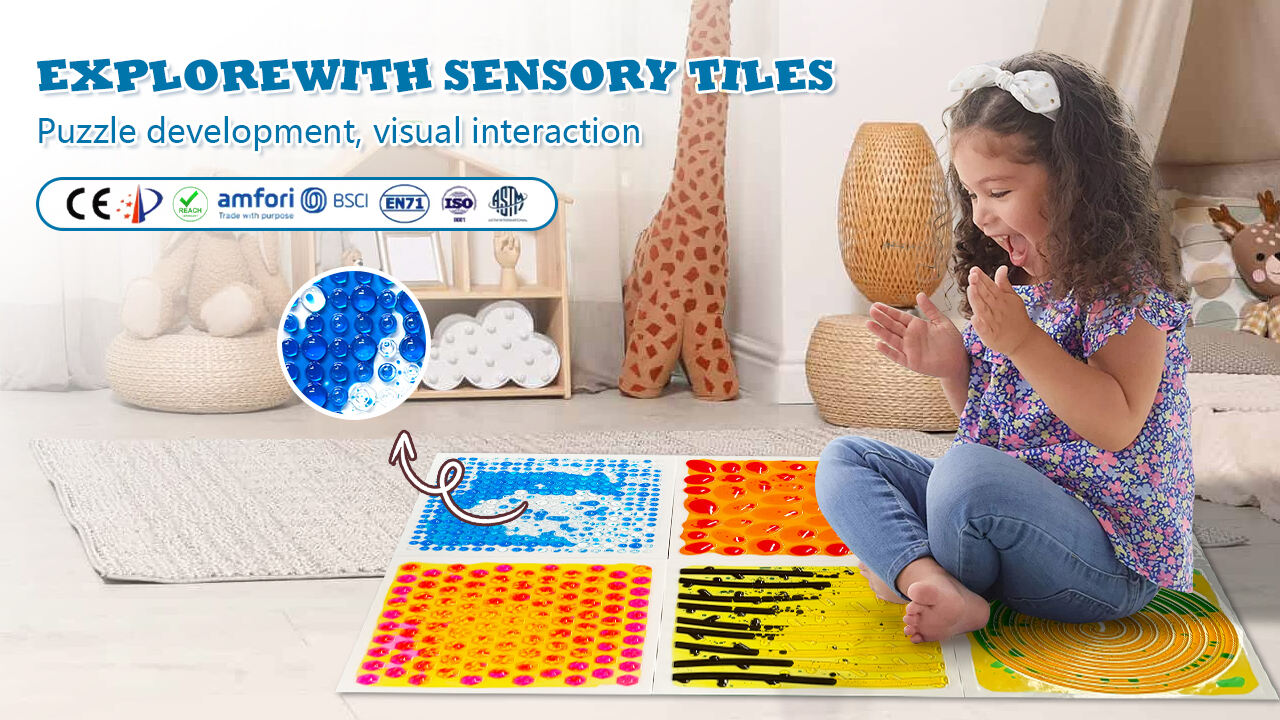
The use of advanced composite materials like EVA (Ethylene Vinyl Acetate) revolutionizes the durability of sensory tiles. These materials are not only robust but also provide enhanced resilience against wear and tear, making them ideal for high-traffic environments. An exemplary feature of EVA is its ability to withstand several years of continuous use without significant degradation, unlike traditional materials. For instance, expert opinions suggest that sensory tiles made from EVA can last significantly longer than those made from less sophisticated materials. Research indicates that such durable sensory tiles offer a lifespan that far exceeds industry standards, ensuring users receive long-term value from their investments.
The incorporation of waterproofing technologies, such as hydrophobic coatings, is pivotal in preventing water absorption in sensory tiles. These coatings ensure that tiles remain impermeable to water, further extending their longevity in humid or spill-prone areas like bathrooms or children's playrooms. Moreover, textured surfaces not only contribute to the aesthetic appeal of the tiles but also enhance tactile feedback, thereby enriching the sensory experience for kids and individuals with autism. According to statistics, sensory tiles equipped with waterproof features have a 30% longer lifespan compared to regular tiles, even when used in various environments. The development of these surfaces prioritizes both functionality and user engagement, making them a top choice for sensory applications.
Sensory tiles with a range of calming textures can be highly beneficial for children and adults with autism spectrum disorder (ASD). These tiles are specifically designed to cater to sensory processing needs, utilizing textures that provide tactile stimulation. According to research studies, individuals with ASD often find it difficult to process sensory information, and textured surfaces can offer a soothing and calming experience. Personal testimonials from therapy sessions reveal that engaging with these tactile surfaces can help reduce anxiety and improve focus and attention. Integrating sensory tiles into therapeutic environments enhances their efficacy, providing individuals with ASD the sensory support they need in their daily interactions.
The inclusion of non-slip surfaces in sensory tiles is crucial for ensuring the safety of children and adults with sensory sensitivities. Non-slip features not only help in preventing accidents but also offer a secure environment for users. High-quality materials like rubber and specific design elements like textured grips enhance slip resistance, making these tiles a safe choice for therapy rooms and play areas. Statistics show a significant decrease in slip-related accidents in environments where non-slip sensory tiles are utilized. By prioritizing safety, these tiles provide peace of mind to caregivers, allowing for more focused and effective therapy sessions.
Ensuring the safety of infants during playtime is paramount, which is why sensory tiles designed for babies must be crafted from non-toxic and BPA-free materials. The importance of this cannot be overstated, as these materials ensure that no harmful chemicals are released during play, maintaining a safe environment for babies who are naturally curious and prone to placing objects in their mouths. Safety certifications and standards like ASTM and CPSIA provide an added layer of assurance, signifying that the sensory tiles adhere to rigorous safety requirements. These certifications are important as they protect against the potential risks posed by hazardous materials that might be present in alternative products without these standards.
Tactile play is essential for supporting various developmental milestones in infants, offering a hands-on way to engage with the world. Through sensory interactions, babies can enhance skills like fine motor movements and hand-eye coordination. Research indicates a strong correlation between sensory play and cognitive development. These interactions stimulate the brain and help form neural connections that are critical during early growth. Experts often highlight how sensory tiles can play a pivotal role in fostering these skills by providing diverse textures that challenge and delight, thereby aiding in holistic development.
Water-resistant sensory tiles excel in providing versatility for both indoor and outdoor installations. These tiles thrive in moisture-rich environments such as bathrooms, patios, and poolside areas, offering both durability and aesthetic appeal. The robustness of water-resistant tiles is further enhanced by their ability to resist mold and moisture, significantly increasing their lifespan in challenging settings. According to recent statistics, moisture-resistant tiles can reduce property damage risks by up to 60%, illustrating their value as a long-term investment in home safety and maintenance.
The ease of cleaning and maintaining waterproof sensory tiles is one of their prime advantages. Regular upkeep can be as simple as quick mopping with mild soap and water, ensuring the tiles remain in top condition without risk of damage. For more stubborn stains, a mix of vinegar and baking soda can be effective, helping maintain the aesthetic and functional integrity of the tiles over time. Evidence suggests that seamless maintenance contributes significantly to the longevity of sensory tiles, making them a cost-effective and enduring choice for homeowners seeking to enhance both the interior and exterior environments.
Incorporating sensory tiles into modern spaces requires a harmonious blend of aesthetic design and functional purpose. Recent trends emphasize designs inspired by natural materials such as stone and marble, which not only showcase their timeless beauty but also integrate seamlessly into contemporary environments. Many high-profile projects, from luxurious hotels to cutting-edge office spaces, have successfully utilized sensory tiles to enhance both the visual and tactile experience. Designers often express a preference for these tiles due to their ability to offer dynamic visual appeal while providing practical benefits like durability and ease of maintenance. The balance between aesthetics and functionality is crucial in modern spaces, where sensory tiles play a pivotal role in elevating the environment.
Sensory tiles are increasingly popular in educational and therapeutic settings, particularly within schools and clinics, where their role in supporting special needs is invaluable. In schools, sensory tiles can foster an inclusive learning environment, catering to children with autism or sensory processing disorders. The use of these tiles has been shown to enhance focus and participation, as they provide sensory feedback crucial for cognitive development. Clinics, too, benefit from this integration by utilizing sensory tiles to create calming spaces that aid therapeutic practices. By embedding sensory tiles as part of the core design, institutions can ensure inclusivity and adaptability across diverse user needs, demonstrating a commitment to creating supportive environments.
 Hot News
2024-06-17
2024-06-17
2024-06-17
Copyright © 2024, Dongguan Hengfu Plastic Products Co., Ltd. All Rights Reserved Privacy policy
 EN
EN
 AR
AR
 BG
BG
 HR
HR
 CS
CS
 DA
DA
 NL
NL
 FI
FI
 FR
FR
 DE
DE
 EL
EL
 IT
IT
 JA
JA
 KO
KO
 NO
NO
 PL
PL
 PT
PT
 RU
RU
 ES
ES
 SV
SV
 CA
CA
 TL
TL
 ID
ID
 LT
LT
 VI
VI
 SQ
SQ
 ET
ET
 GL
GL
 TH
TH
 TR
TR
 FA
FA
 MS
MS
 GA
GA
 CY
CY
 UR
UR
 BN
BN
 GU
GU
 MR
MR
 NE
NE
 KY
KY