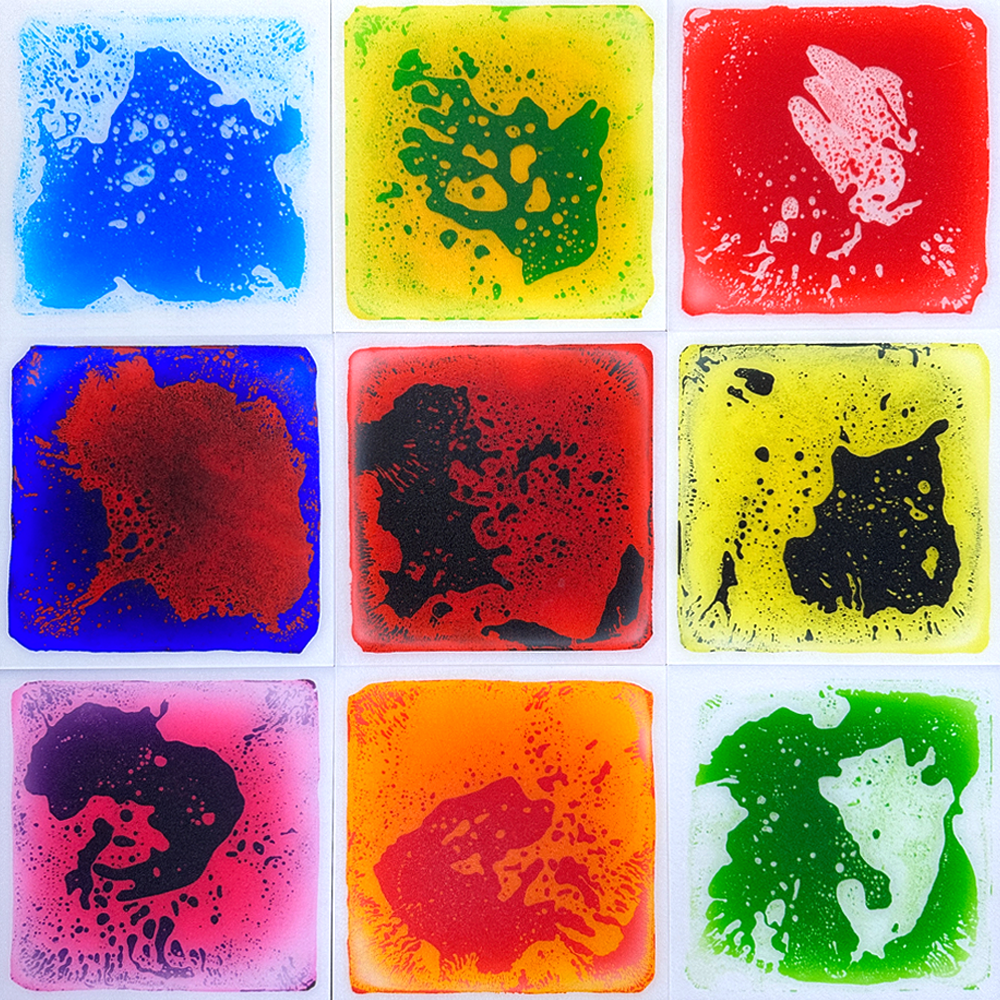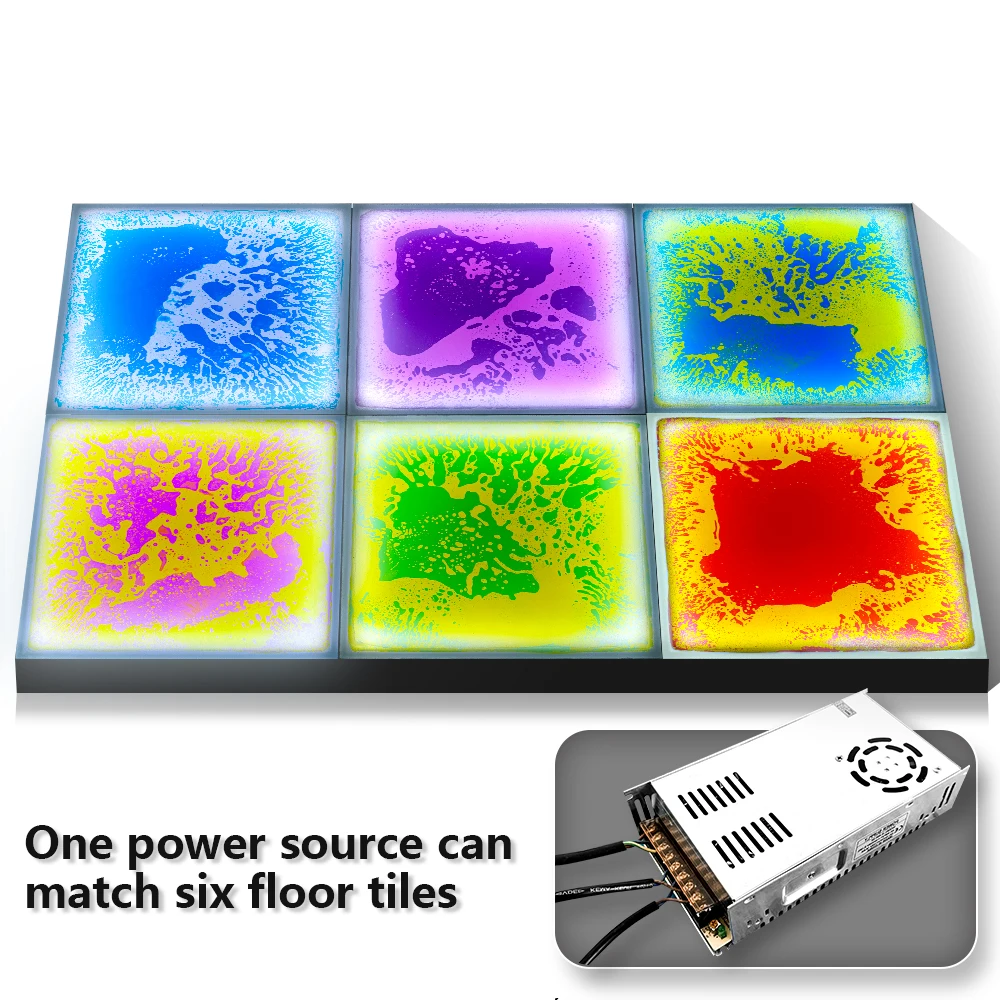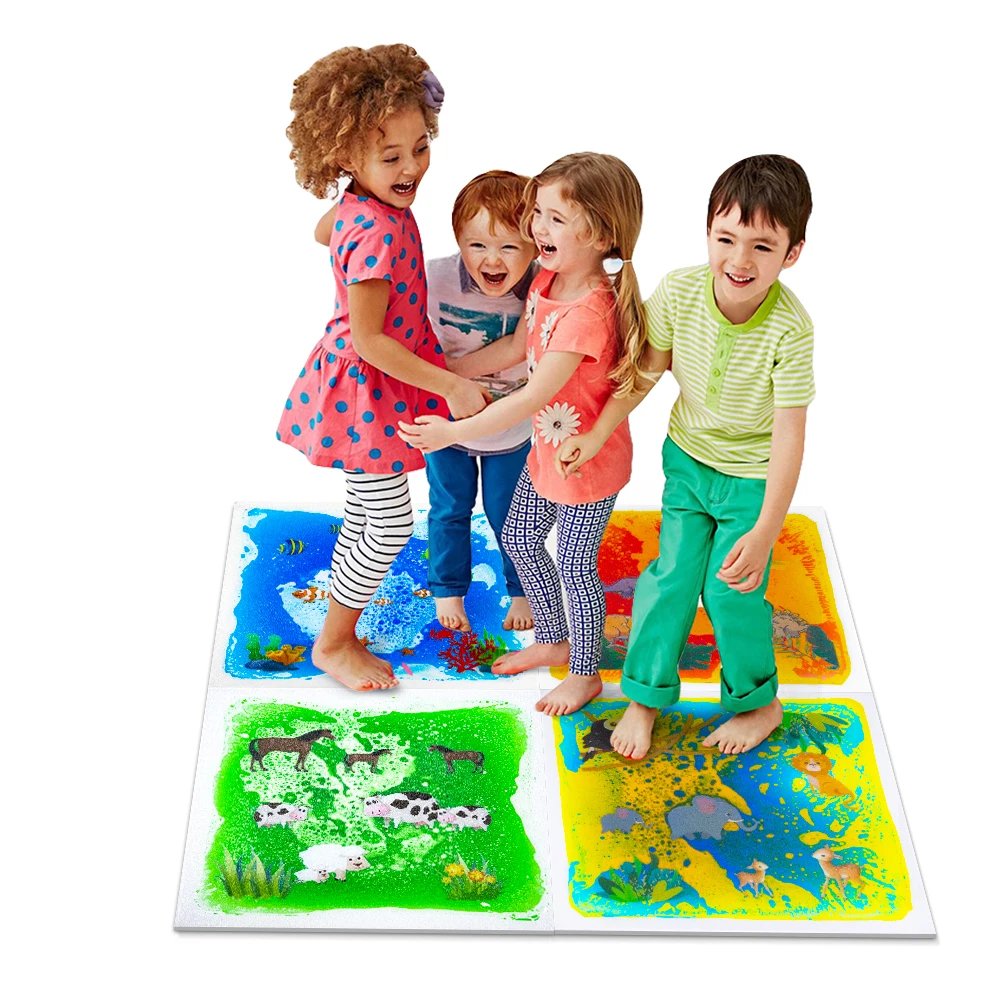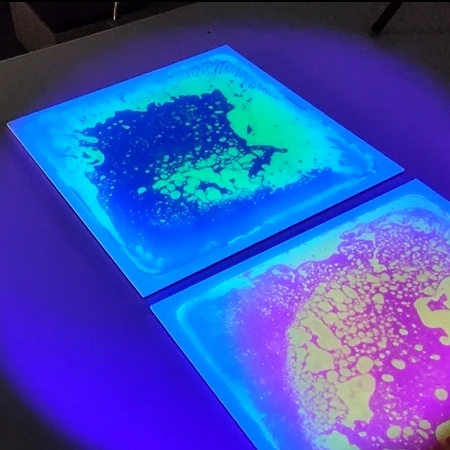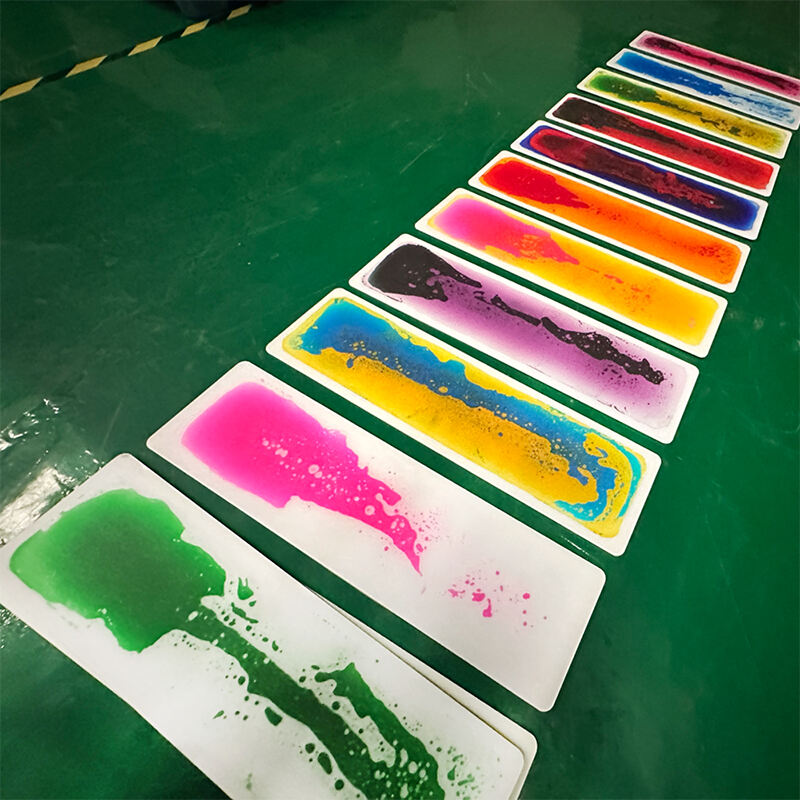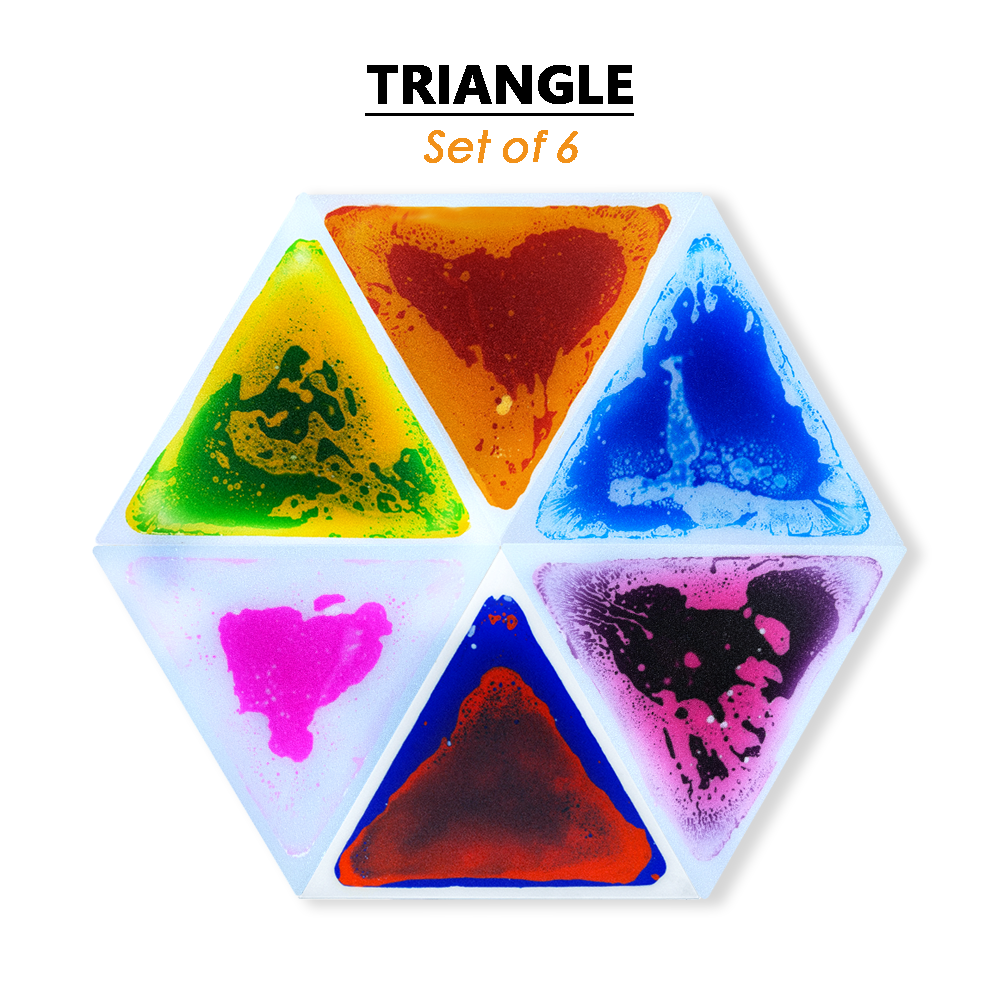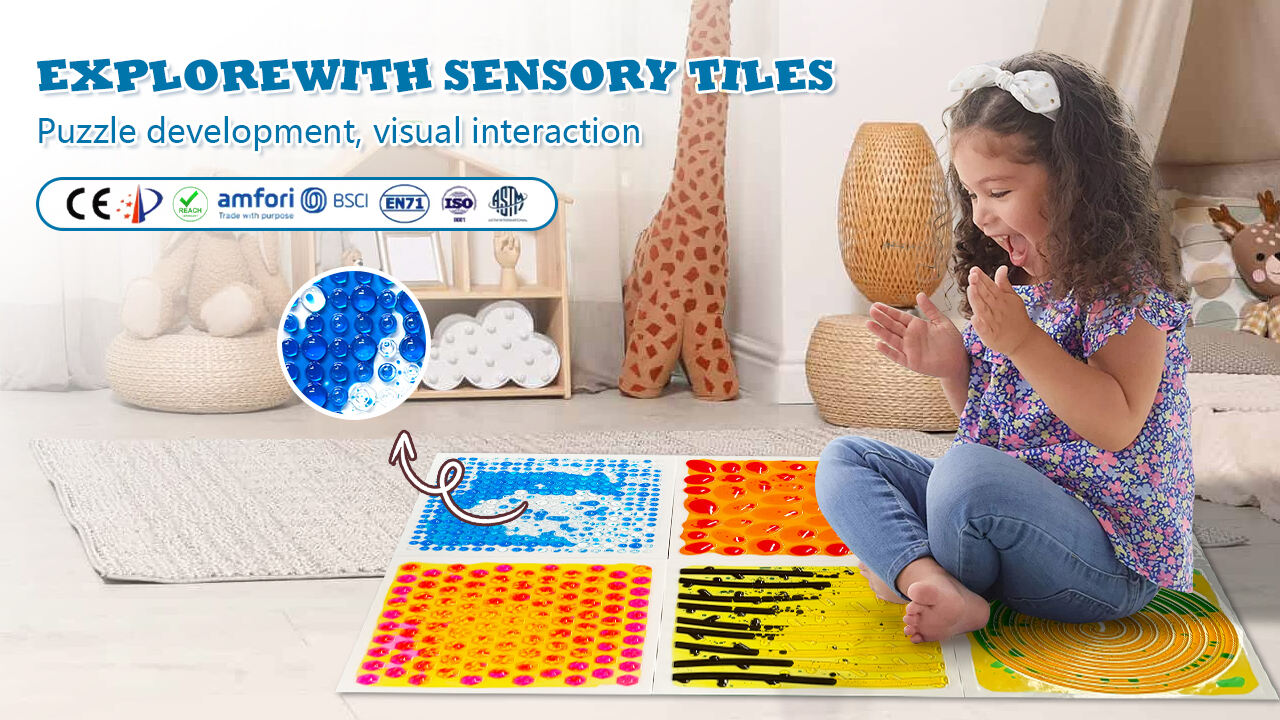
Liquid sensory tiles are interactive tools designed to engage children with vibrant colors and textures, providing a unique sensory play experience. Each tile contains liquids that move when touched, offering a compelling visual stimulation. This movement captivates attention and allows for tactile exploration, immersing kids in multi-sensory involvement. Liquid sensory tiles are vital in child development, fostering fine motor skills and enhancing cognitive processing. According to research from occupational therapy practices, engaging in sensory play can significantly advance learning and developmental milestones, contributing to overall growth and well-being.
Having liquid sensory tiles in various shapes enhances the sensory experience by catering to different sensory preferences. Different shapes not only make the activity visually engaging but also aid in developing fine motor skills. Interacting with these shapes helps children improve their hand-eye coordination and finger dexterity. Experts note that a variety in shape stimulates cognitive processing, making interactions more engaging. This variety ensures sensory activities are tailored to children's diverse needs, promoting deeper engagement and holistic growth.
Liquid sensory tiles stimulate tactile, visual, and proprioceptive senses simultaneously, providing a comprehensive sensory experience. The tactile stimulation comes from the varied textures of the tiles, enhancing touch-based learning. Visual stimulation is provided by the moving colors and patterns within the tiles. Proprioceptive play involves balancing and navigating over the tiles, aiding in the development of body awareness. Scientific evidence supports that multi-sensory integration improves sensory processing skills, crucial for achieving milestones in child development. By simultaneously activating multiple senses, these tiles facilitate a well-rounded growth and improved understanding of the environment.
Sensory overload can be quite overwhelming for children with autism, as they often struggle with processing excessive sensory information. Liquid sensory tiles provide a calming effect by engaging children with gentle movement and vibrant colors. Research indicates that tools like liquid tiles significantly reduce anxiety and overstimulation in autistic children due to their soothing visual and tactile properties. Creative strategies, such as incorporating these tiles into classrooms, therapy rooms, or designated sensory play areas, can further enhance their calming benefits. These environments become safe havens where children can decompress and engage in sensory play at their own pace, contributing to their emotional well-being.
Structured play with liquid tiles offers significant benefits in enhancing focus and motor skills in children with autism. By requiring attention to the movement and colors within the tiles, these sensory tools help improve concentration and attention spans. In terms of motor skill development, interacting with liquid tiles enhances dexterity and hand-eye coordination. Statistics support these benefits, showing improvements in developmental milestones for children engaging with targeted sensory activities like liquid tile play. This evidence highlights the role of sensory toys in facilitating developmental growth, particularly for those requiring more structured engagement due to neurodiverse needs.
Social skills are crucial for children with autism, and play is a fundamental way to encourage interaction. Liquid tiles foster environments where children can play together, thus enhancing social interaction by providing a focus for teamwork and communication. Real-life examples in educational settings show how these tiles are used in group play scenarios, promoting collaborative efforts among children. Educational psychology studies demonstrate that collaborative sensory play, such as that facilitated by liquid tiles, leads to increased social benefits. By enabling children to work together on sensory tasks, these play activities improve their communication skills and contribute positively to their social development.
Liquid sensory tiles play a pivotal role in occupational therapy settings dedicated to sensory processing. These engaging tools are frequently used by therapists to address the unique sensory integration needs of their clients. The tactile and visual appeal of the tiles aids in calming sensory overload, offering a versatile therapy method. Testimonials from therapists emphasize how they have incorporated liquid tiles into personalized treatment plans with notable success. For instance, one therapist reported that using these tiles in therapy sessions has significantly improved a child's sensory processing skills, reducing tantrums and enhancing focus. The flexibility in designing therapy goals around the tiles allows for customized approaches tailored to each child's needs, making them an invaluable asset in sensory processing therapy.
Integrating liquid sensory tiles in classroom environments can significantly enhance inclusive learning, catering to the diverse needs of students. These tiles can create sensory-friendly areas that engage children, particularly those with autism, in a stimulating yet calming manner. By incorporating liquid tiles into sensory stations or quiet corners, educators report improved student participation and engagement. Evidence suggests that sensory-friendly classrooms not only aid in academic success but also foster a more inclusive atmosphere for all students. The calming and focusing effects of these tiles create an environment conducive to learning, which can be particularly beneficial for children who thrive on sensory input.
At home, liquid sensory tiles offer an exciting resource for safe sensory exploration, benefiting children with autism immensely. Parents can effectively use these tiles to create a stimulating yet secure play environment that caters to their child’s sensory needs. By incorporating these tiles into daily play routines, families can foster a more enriching home environment. Sensory play facilitated by the tiles can improve fine motor skills, enhance coordination, and provide calming effects, aiding in developmental growth. Research highlights the positive impact of home-based sensory exploration, noting significant strides in child development when such tools are consistently used in engaging ways.
When it comes to children's products, safety is paramount, particularly in products like liquid sensory tiles that young ones engage with closely. Manufacturers prioritize using non-toxic and hypoallergenic materials, ensuring that these sensory toys meet stringent safety standards. Regulatory bodies mandate certifications to confirm that these products are free from harmful substances, giving parents peace of mind. According to consumer insights, parents often prioritize safety above other factors when purchasing toys for their children, which is why such certifications are critical. Ensuring compliance with these standards not only protects children's health but also builds trust with caregivers looking for safe products for sensory play at home.
Liquid sensory tiles are designed to withstand the energetic play typical among children, ensuring durability over time. The robust materials used in their construction allow these tiles to endure heavy foot traffic and constant pressure, making them ideal for both home and therapy settings. Research into children's play behaviors reveals that toys that fail to sustain rigorous use often disappoint. Consequently, manufacturers focus on materials that enhance the longevity and usability of these tiles, ensuring they remain an enduring tool in sensory learning. Such durability not only provides value for money but also ensures consistent sensory stimulation for autistic children, facilitating continuous exploration.
Selecting the right shape of liquid sensory tiles can significantly affect a child's sensory experience and learning outcomes. Different shapes cater to various sensory processing requirements, offering personalized benefits for those with specific challenges. For example, larger tiles might provide broader sensory feedback, while smaller, intricate shapes could enhance focus on detail-oriented tasks. Experts emphasize the importance of tailoring sensory tools to meet individual needs, which can significantly enhance engagement and effectiveness. Personalization in sensory toys, such as sensory mats and tiles, not only supports developmental goals but also enriches the learning experience, making it a crucial consideration for parents and educators alike.
 Hot News
2024-06-17
2024-06-17
2024-06-17
Copyright © 2024, Dongguan Hengfu Plastic Products Co., Ltd. All Rights Reserved Privacy policy
 EN
EN
 AR
AR
 BG
BG
 HR
HR
 CS
CS
 DA
DA
 NL
NL
 FI
FI
 FR
FR
 DE
DE
 EL
EL
 IT
IT
 JA
JA
 KO
KO
 NO
NO
 PL
PL
 PT
PT
 RU
RU
 ES
ES
 SV
SV
 CA
CA
 TL
TL
 ID
ID
 LT
LT
 VI
VI
 SQ
SQ
 ET
ET
 GL
GL
 TH
TH
 TR
TR
 FA
FA
 MS
MS
 GA
GA
 CY
CY
 UR
UR
 BN
BN
 GU
GU
 MR
MR
 NE
NE
 KY
KY