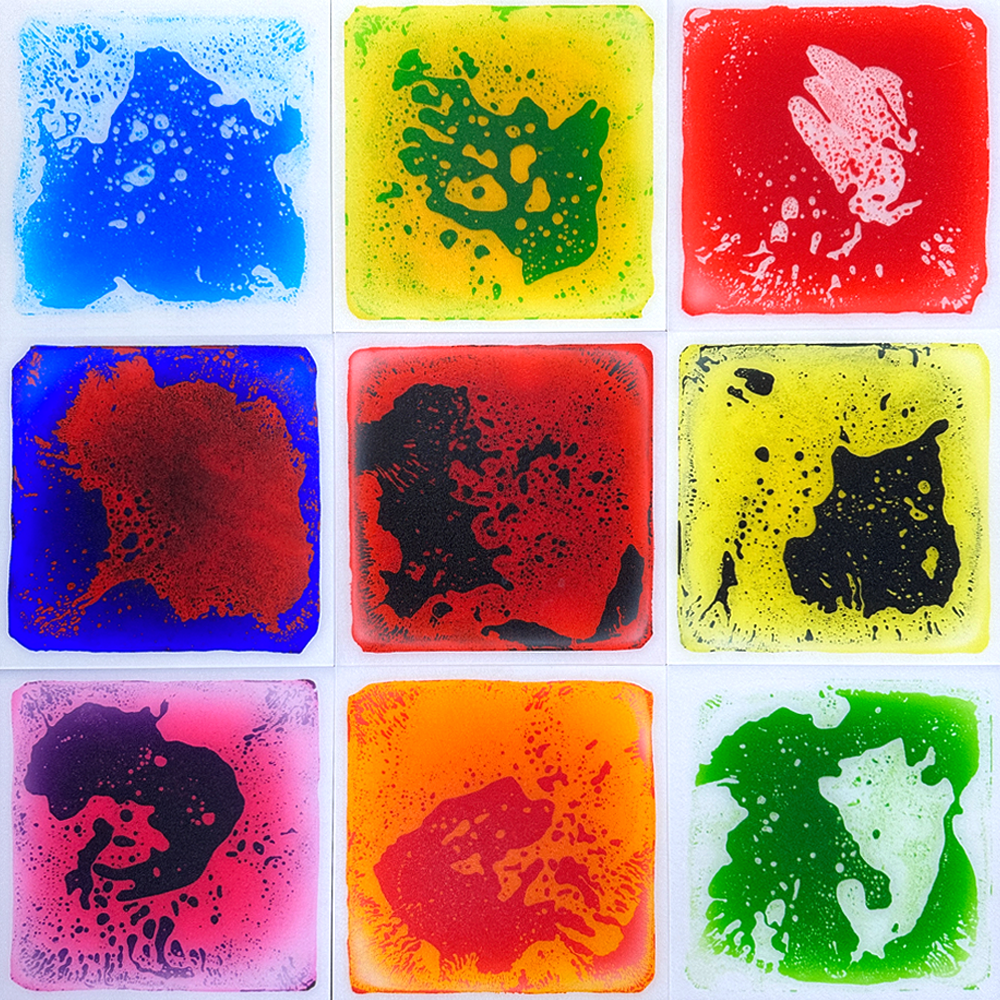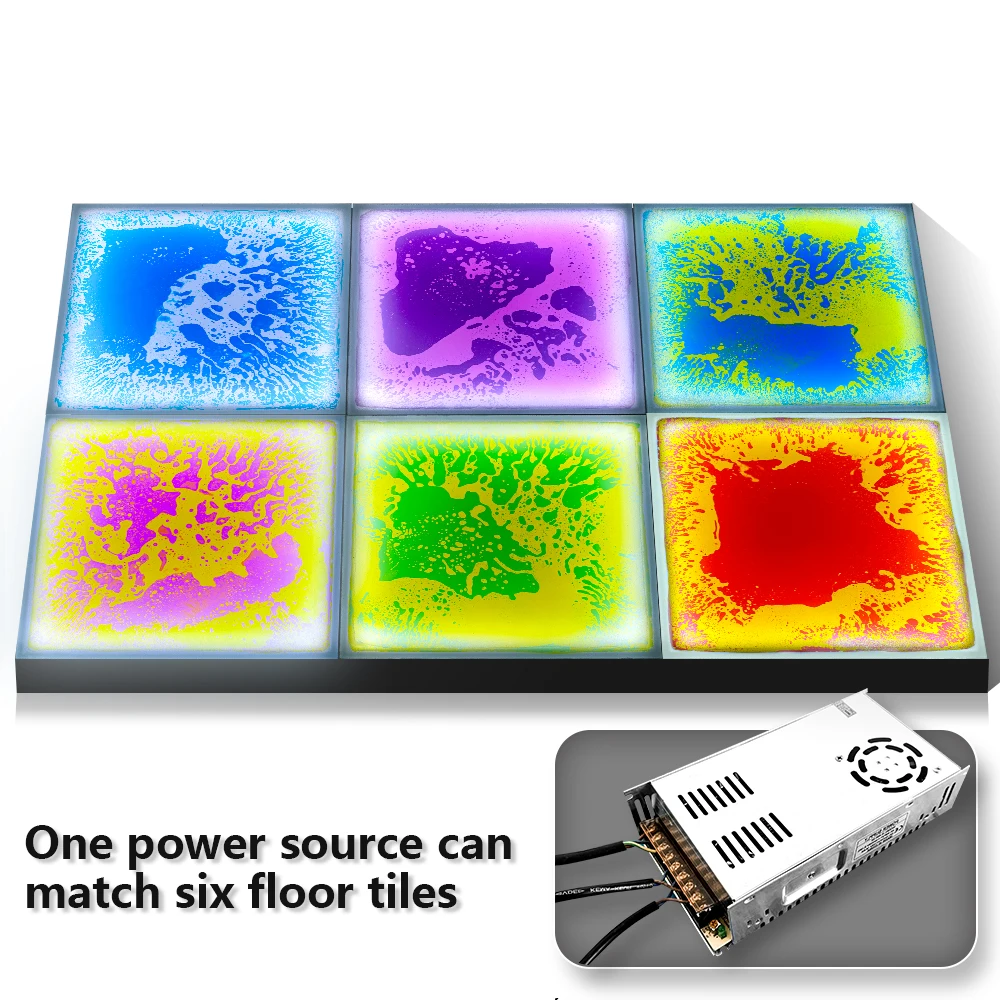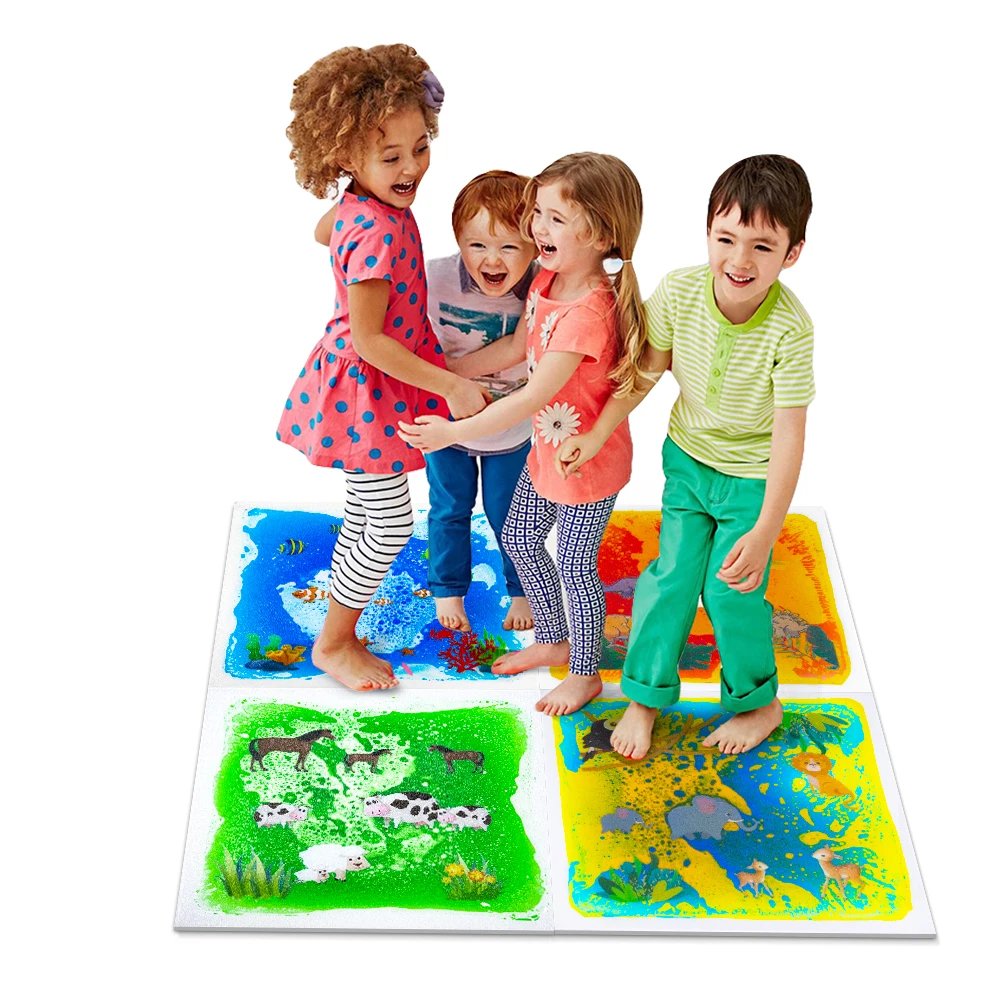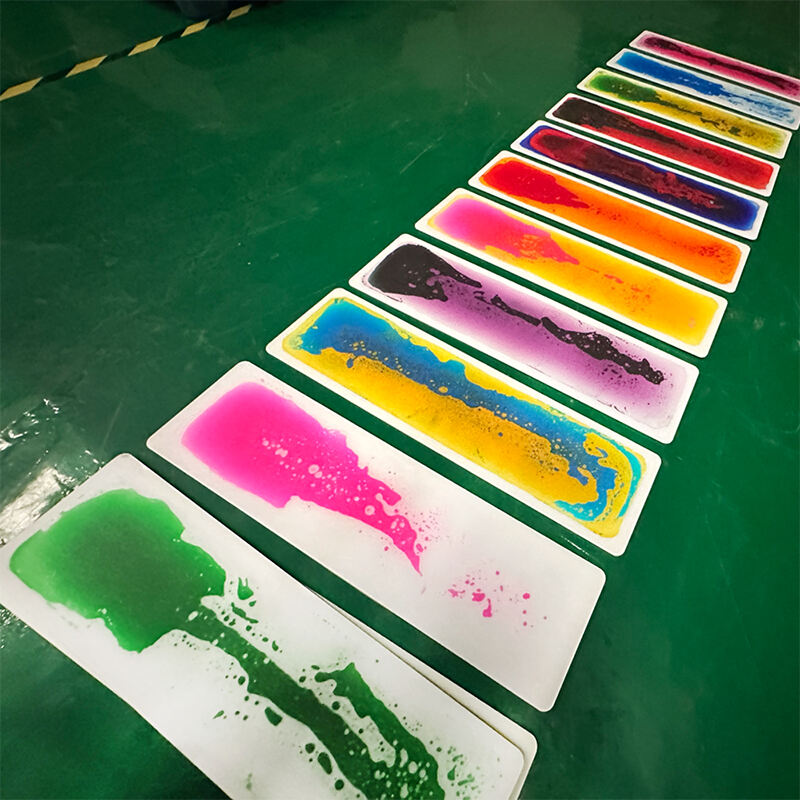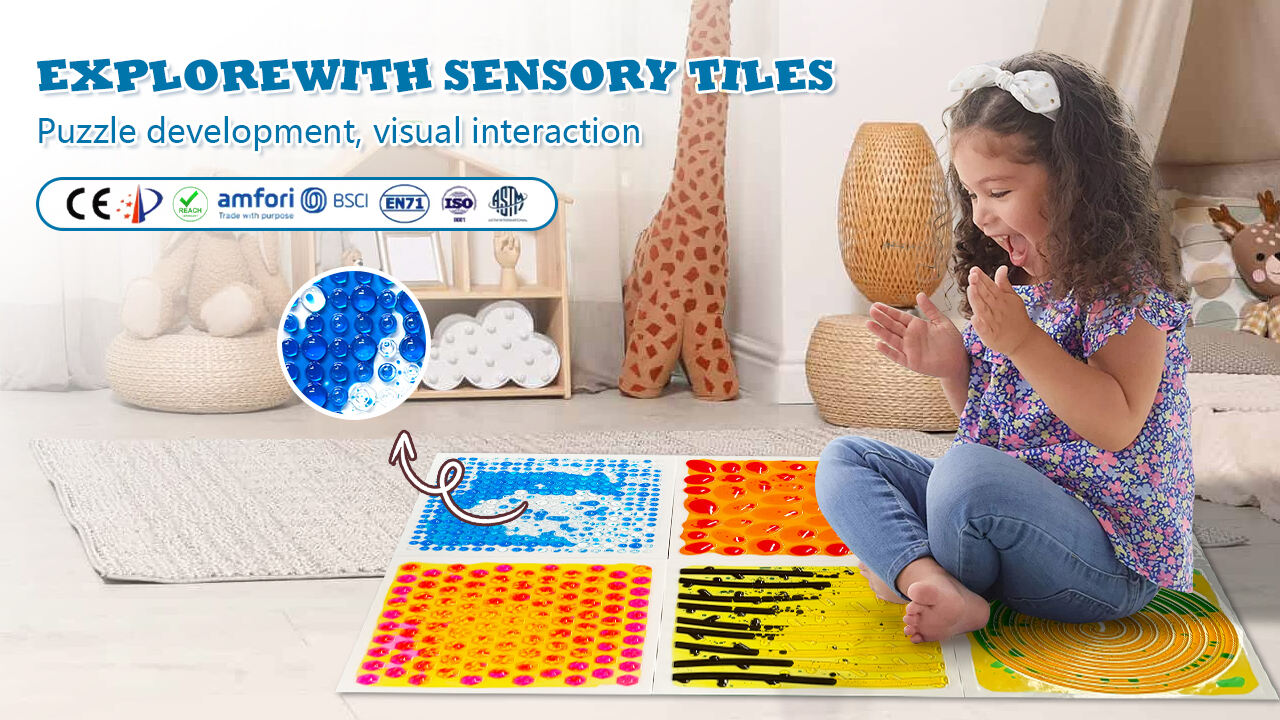
Tactile play tools are essential for enhancing sensory exploration in children, offering opportunities for them to engage with the world through touch. These toys, especially soft rubber tactile stimulation toys, are designed to engage multiple senses, including touch, sight, and sound. Soft rubber tactile toys provide varied textures and flexible shapes that invite children to manipulate them, fostering sensory development. Sensory development in early childhood is crucial as it supports brain development, emotional regulation, and motor skills. According to child development research, tactile stimulation helps refine motor skills, increase focus, and build independence—all vital elements in a child's growth journey.
Portable rubber sensory toys are crafted with attributes that enhance usability, making them easy for children to handle and carry. Their size and lightweight nature are key features that ensure children can explore them comfortably. Additionally, these toys boast vibrant colors and varied textures that stimulate sensory perception, enticing children to touch and explore further. The choice of rubber used in these sensory toys underscores vital benefits such as durability and safety. Many sensory toys are made from high-quality materials that are both safe for children and robust enough to withstand extensive use. Brands and parents prioritize durability and non-toxic materials to ensure children can play safely and effectively explore the world around them.
Rubber tactile toys play a crucial role in enhancing sensory processing skills in children. These toys are specially designed to stimulate the child's sense of touch, which is integral to sensory integration—a concept that refers to how well a child can process and react to sensory information from the environment. Numerous studies indicate that regular interaction with tactile toys can significantly improve sensory integration capabilities, leading to better cognitive and motor responses. For instance, children in therapy settings often exhibit improved tactile discrimination and responsiveness after using specialized sensory toys.
Fine motor skills are essential for a child's development, allowing them to perform precise movements necessary for tasks like writing or tying shoes. Rubber tactile toys contribute significantly to the enhancement of these skills by encouraging children to manipulate and interact with objects using small muscle groups. The act of gripping, pushing, or pulling tactile stimulation toys helps in improving dexterity and hand-eye coordination. Educational resources consistently demonstrate that tactile stimulation from such toys aids in the advancement of motor skills, paving the way for more complex physical activities.
Soft rubber toys can provide calming effects for emotional regulation, especially for children with autism. These toys' soothing textures and gentle resistance offer a comforting sensation that can help reduce anxiety and promote emotional well-being. Research highlights a substantial link between tactile play and anxiety reduction in children, showing how sensory toys can ease feelings of distress. Testimonials from parents underscore the efficacy of such toys in providing emotional comfort, often reporting a noticeable improvement in their child's mood and behavior after engaging with calming sensory toys.
Tactile stimulation fosters exploratory learning, helping children develop curiosity and a deeper understanding of their environment. When children engage in tactile play, they learn to navigate through different textures, which promotes cognitive growth and decision-making skills. Parents and educators can employ strategies to incorporate tactile games in learning environments, creating an immersive experience for children. Developmental psychologists provide empirical support for the role of touch in cognitive advancement, emphasizing how sensory learning activities lay the foundation for broader intellectual development.
Selecting the right sensory toys for newborns is crucial in ensuring both safety and developmental stimulation. For infants aged 0-12 months, soft rubber toys are ideal as they offer gentle tactile experiences while being safe for exploration with little hands and mouths. Low-tech options like soft fabric balls and gentle rattles are perfect for this age group, promoting sensory development by engaging their senses of touch, sight, and hearing. Safe materials that are free of harmful chemicals like BPA and phthalates are essential, and many experts recommend toys that offer simple sensory activities without overwhelming the infant's developing senses. During playtime, parents can encourage their baby to explore these toys by gently guiding their exploration, fostering engagement without overstimulation.
For toddlers, sensory toys with varied textures and interactive features are key in nurturing curiosity and engagement. Textured rubber shapes appeal to toddlers due to their vibrant colors and stimulating tactile experiences, which captivate their ever-growing interest. These toys support active exploration, helping to develop sensory processing skills while enabling children to experiment with different shapes and colors. Suggested activities include stacking, sorting, or simply feeling the diverse textures, which enhance cognitive learning and motor coordination. By incorporating these stimulating sensory elements into playful activities, parents and caregivers can create enriching environments that support imaginative play, fostering active learning.
Preschool sensory kits, equipped with a variety of textures, play a vital role in early learning by stimulating tactile exploration and encouraging sensory development. These kits often include items like textured balls, cloth books, and shape sorters, allowing children to engage with different materials and complexities. Using multiple textures enhances tactile learning at this stage, as children begin to refine their motor skills and expand their sensory processing abilities. Parents and educators can also create custom sensory kits by gathering items from household objects and age-appropriate toys, encouraging exploratory play that is both educational and enjoyable. By fostering an environment ripe for discovery, these sensory kits support the development of cognitive abilities and creative thinking in preschool-aged children.
Rubber sensory toys offer significant support to children with autism by providing a safe and engaging way to explore tactile experiences. For many autistic children, tactile play aids development by offering them a way to interact comfortably with their environment. Tools like textured balls and rubber stimming toys are particularly effective in providing repetitive motion and pressure, which many children with autism find calming. Case studies have highlighted positive outcomes from incorporating these toys into therapy sessions, showing improvements in sensory tolerance and social skills. For those looking to access customized toys designed specifically for children with autism, several specialized retailers offer a variety of options to meet the unique sensory needs associated with autism.
Understanding Sensory Processing Disorder (SPD) and its associated challenges is crucial for selecting appropriate tactile solutions. SPD affects how the brain processes sensory information, often leading to difficulties in daily functions. Portable tactile toys, such as fidget spinners or stress balls, can be indispensable for children with SPD as they provide discreet and immediate sensory input. These toys are praised by occupational therapists for helping enhance focus and minimize sensory overload, especially in stimulating environments like classrooms or public spaces. Experts recommend choosing sensory tools that are not only portable but also versatile, ensuring they cater to the individual preferences and sensory thresholds of the child.
When it comes to rubber sensory toys, ensuring their safety is paramount, particularly for young children. The importance of safety certifications cannot be overstated as they provide assurance that toys are free from hazardous substances. Parents should particularly look for non-toxic certifications such as ASTM (American Society for Testing and Materials) and CPSIA (Consumer Product Safety Improvement Act). These certifications demonstrate that the toys meet specific safety standards for materials and design. To verify claims made by manufacturers, parents should conduct thorough research, checking for certifications on product packaging or websites, and looking for third-party verification symbols that indicate testing by independent labs.
Maintaining cleanliness and hygiene of rubber sensory toys, especially with textured surfaces, is crucial for the health and safety of children. Effective cleaning techniques involve using soap and warm water to remove dirt and germs from these toys. Disinfecting naturally with a diluted vinegar solution can be an excellent alternative, as it is both child-friendly and eco-safe. It's important to avoid using harsh cleaning chemicals that may damage the material or pose health risks. By regularly disinfecting and correctly maintaining these toys, parents not only prolong the life of the toys but also ensure a safe play environment for their kids.
Chew resistance is a significant factor to consider when selecting rubber sensory toys, as many young children tend to explore objects orally. To ensure durability, parents should focus on toys that have undergone rigorous durability testing, adhering to established safety standards. These tests often evaluate the toy's ability to withstand repeated chewing pressure and wear and tear over time. Brands renowned for high durability often highlight their compliance with stringent durability standards on their packaging. By choosing toys from such brands, parents can feel confident in the safety and long-term usability of the products, ensuring a secure and enriching play experience for their children.
 Hot News
2024-06-17
2024-06-17
2024-06-17
Copyright © 2024, Dongguan Hengfu Plastic Products Co., Ltd. All Rights Reserved Privacy policy
 EN
EN
 AR
AR
 BG
BG
 HR
HR
 CS
CS
 DA
DA
 NL
NL
 FI
FI
 FR
FR
 DE
DE
 EL
EL
 IT
IT
 JA
JA
 KO
KO
 NO
NO
 PL
PL
 PT
PT
 RU
RU
 ES
ES
 SV
SV
 CA
CA
 TL
TL
 ID
ID
 LT
LT
 VI
VI
 SQ
SQ
 ET
ET
 GL
GL
 TH
TH
 TR
TR
 FA
FA
 MS
MS
 GA
GA
 CY
CY
 UR
UR
 BN
BN
 GU
GU
 MR
MR
 NE
NE
 KY
KY