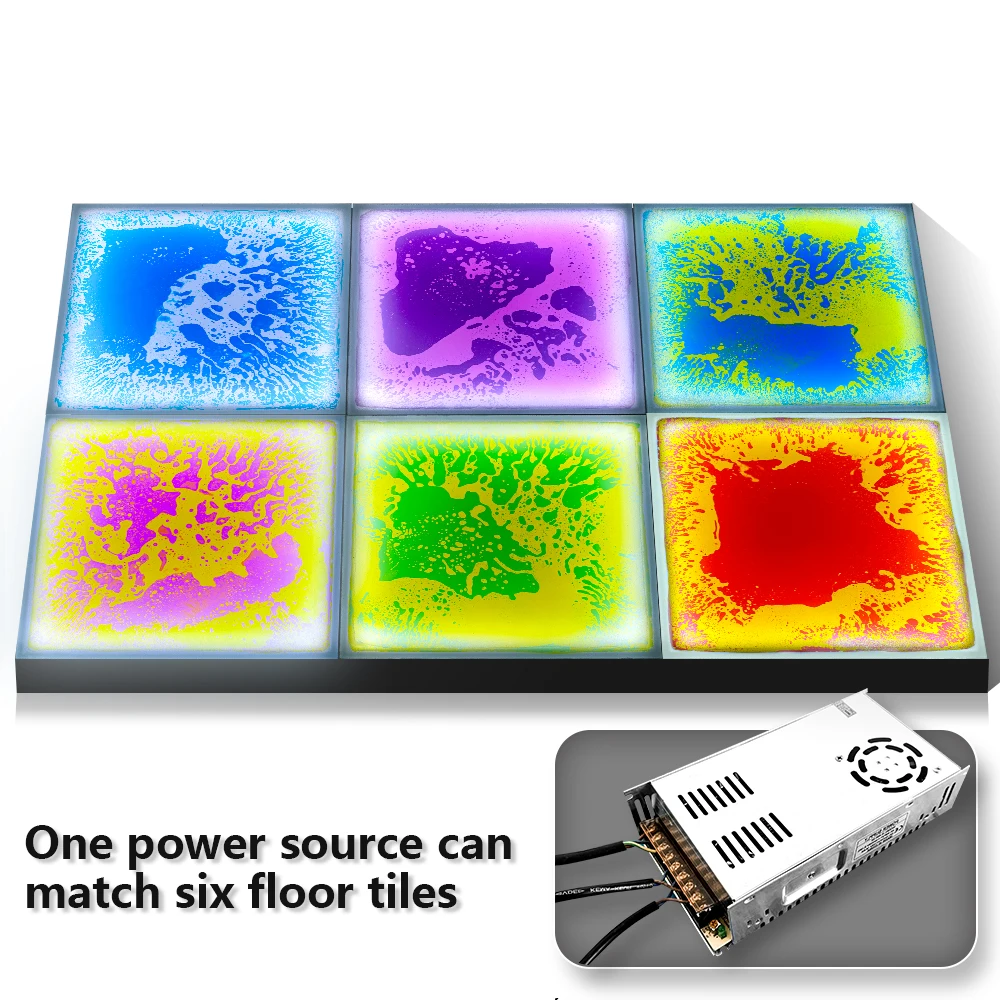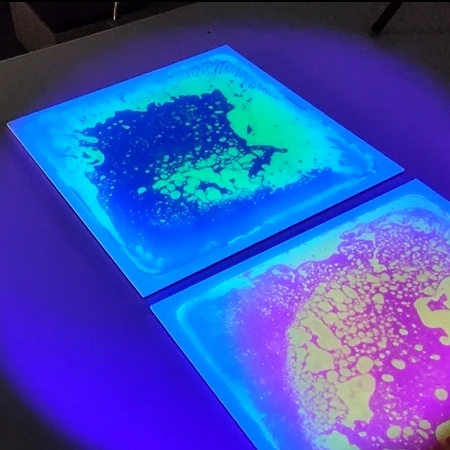
Dynamic light patterns on LED tiles use a mix of colors and movements to stimulate visual engagement. These patterns aid in cognitive development and sensory processing, making them valuable tools in educational and therapeutic environments. Research has highlighted that varied light conditions can significantly influence mood and behavior. This insight is essential, especially when designing spaces like schools or therapeutic centers where the aim is to enhance sensory engagement and stimulation. Notably, case studies have shown that interactive spaces with motion-responsive lighting increase participation and enjoyment among users, proving particularly effective in establishing engaging and immersive environments.
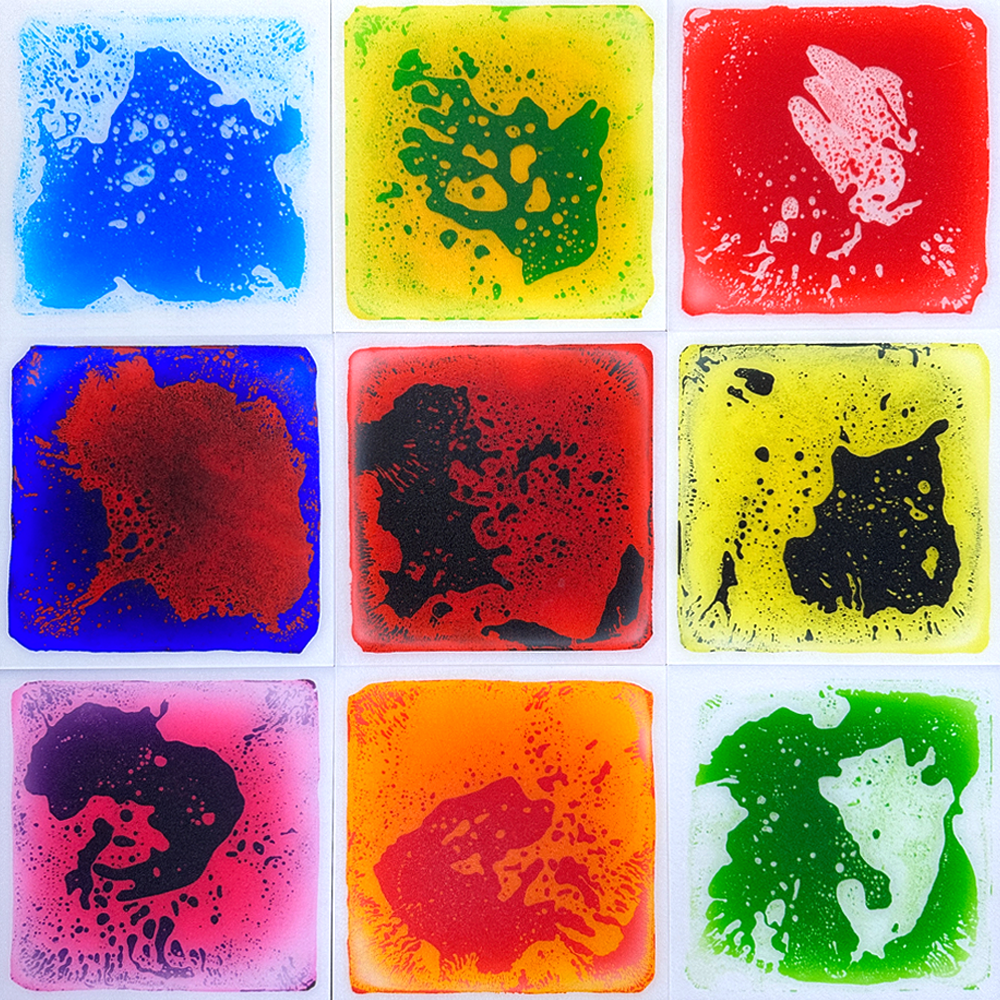
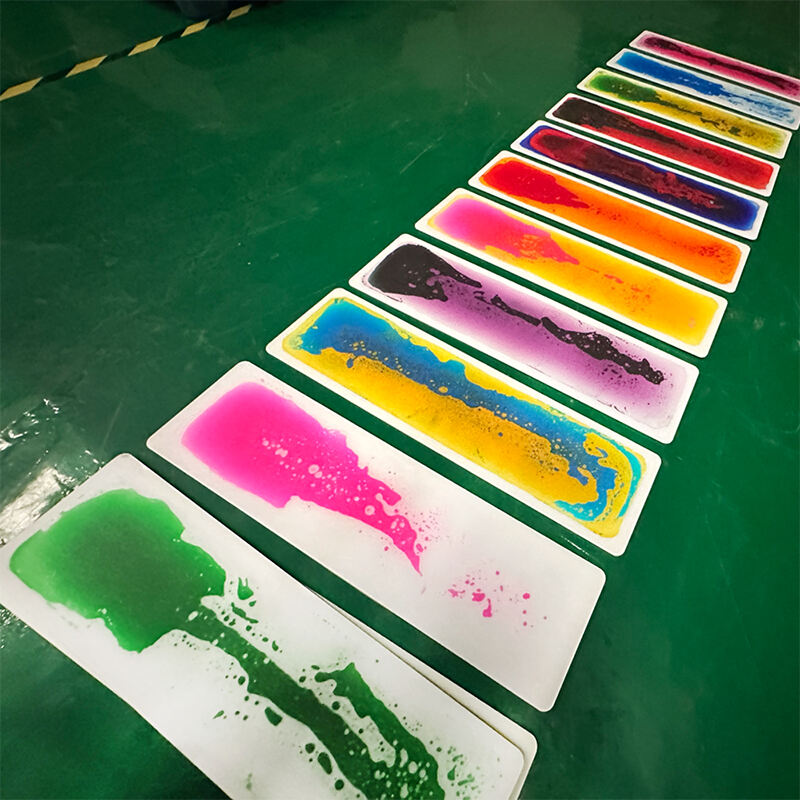
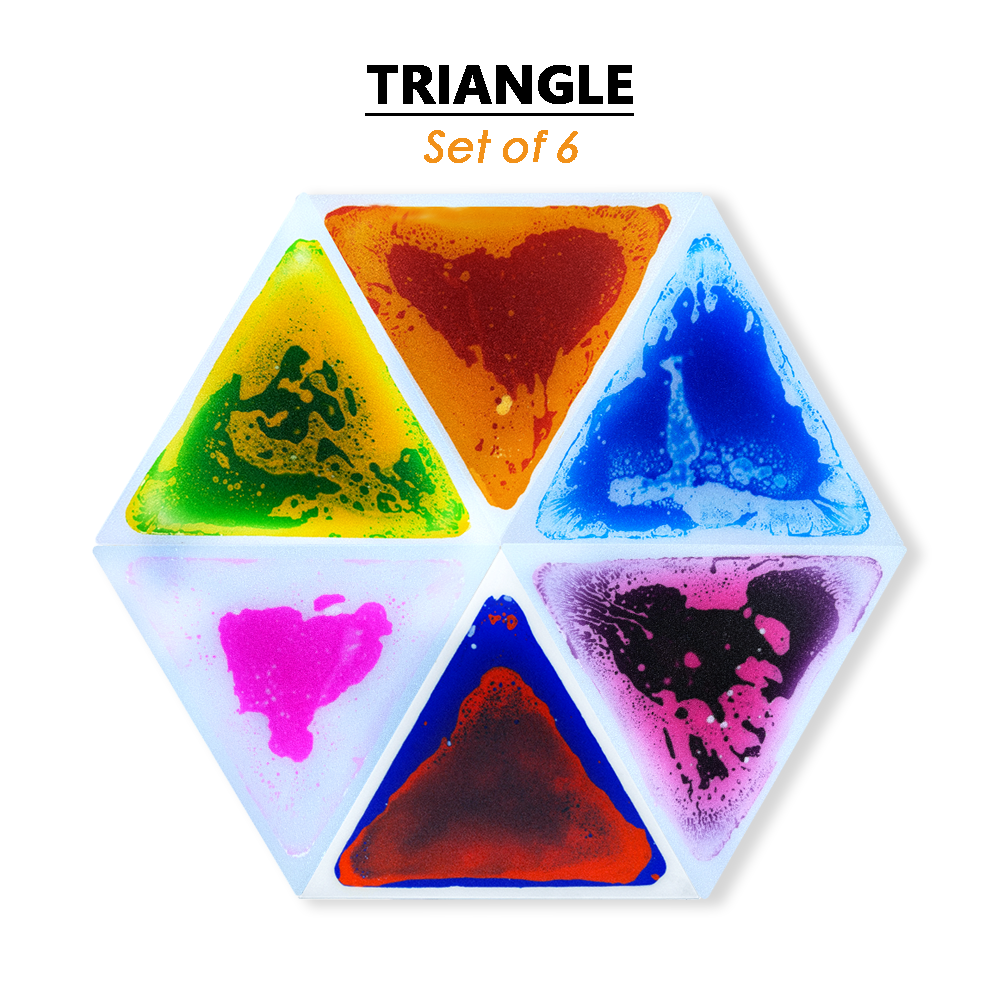
Liquid sensory floor tiles present a fascinating innovation, incorporating LED technology to create responsive environments. These tiles react to pressure and motion, offering real-time feedback through visual changes, which enriches user interactions significantly. For instance, when one steps on a tile, the liquid spreads, enhancing the visual effect and engagement. Successful installations in sensory rooms and educational settings have showcased how effectively technology can transform the way users interact with their surroundings. These advancements in sensory floor technology, like those developed by companies such as Dongguan Hengfu, demonstrate the potential for creating immersive experiences in various environments such as schools, play areas, and therapeutic spaces.
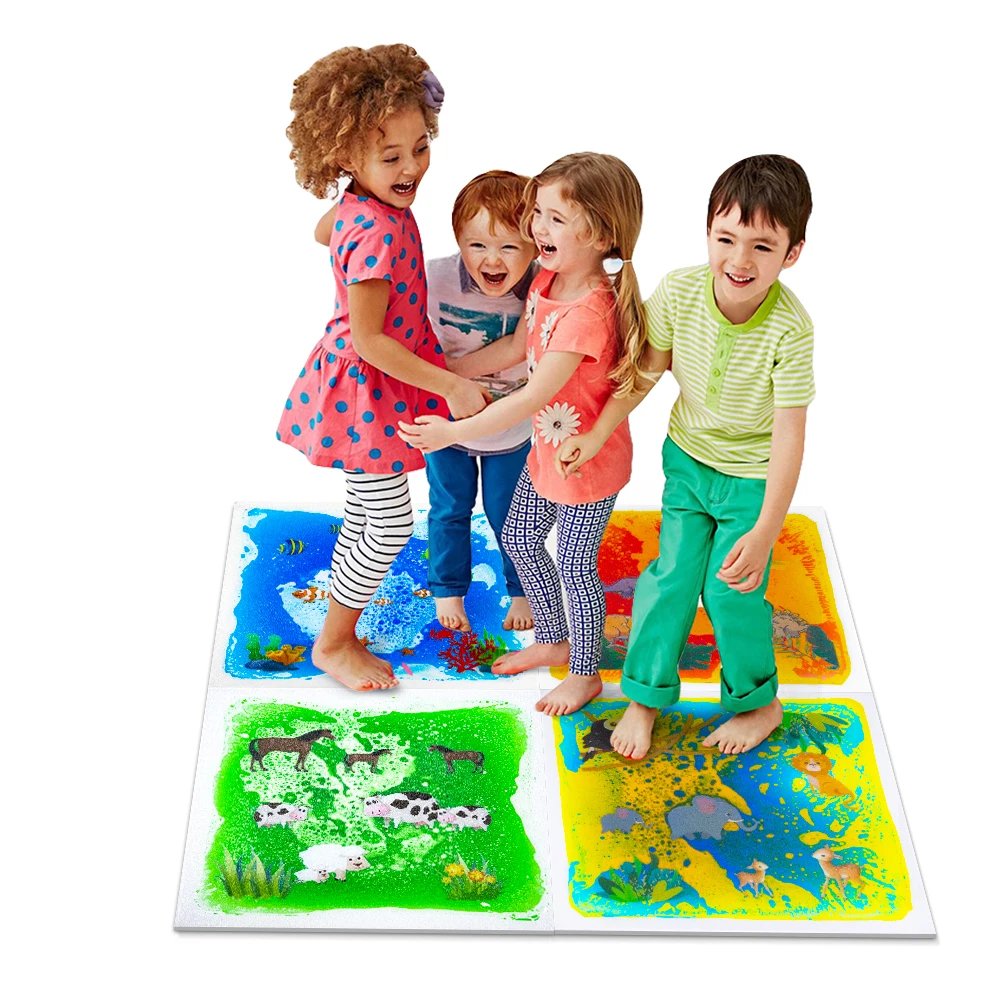
Interactive play zones in parks and schools are being reimagined with the inclusion of LED color-changing tiles, fostering an environment that encourages physical activity and creativity among children. These tiles not only captivate the attention of young minds but also help stimulate engagement through vivid dynamic lighting. Statistics reveal a substantial increase in child engagement and physical activity levels in areas equipped with such innovations. For instance, play areas in some parks have reported increased visitor rates and heightened satisfaction among families. The visual allure of these LED tiles makes play spaces more appealing and effective, transforming them into vibrant areas that blend learning with leisure.
LED color-changing tiles are revolutionizing event stage lighting by offering real-time visual feedback based on performers' movements. This technology brings a new dimension to live performances, allowing concerts and theater shows to craft a multi-sensory experience for their audiences. Notable examples include high-profile concerts where light patterns and colors shift dynamically in sync with musical beats or performer steps, enhancing the overall spectacle. Collaborations between lighting designers and event planners play a crucial role in realizing desired visual effects, ensuring each performance leaves a lasting impression.
The use of LED sensory mats in therapeutic environments is gaining traction for their calming properties. Experts suggest that the interplay of color and brightness can significantly aid in stress reduction and relaxation. These calming sensory mats have been integrated into therapy centers and schools for special needs, demonstrating substantial benefits. For instance, case studies show improvements in both mood and participation levels among users. The effectiveness of these mats in creating a serene environment underscores their value in therapeutic and stress-relief applications.
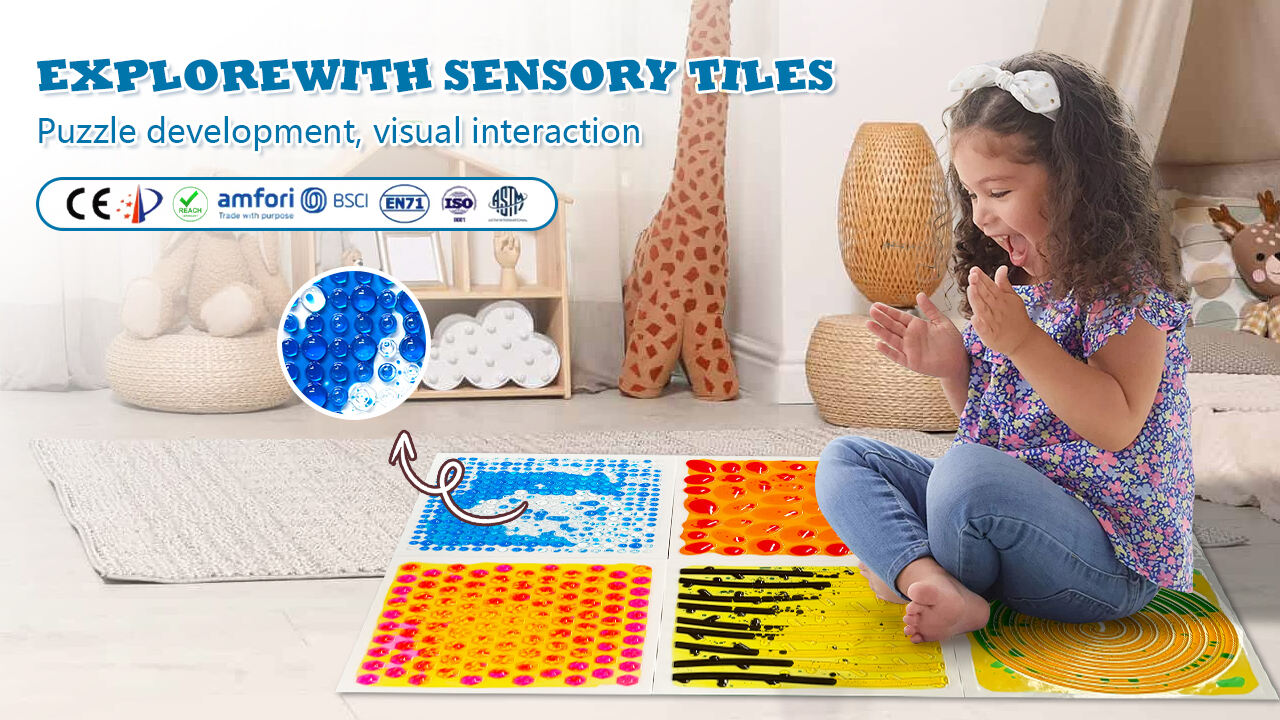
Tactile sensory floor tiles play a significant role in promoting fine and gross motor skills across various age groups. These sensory-rich environments provide engaging touch activities that encourage children to explore and interact physically, which is crucial for motor skill development. Research shows that children exposed to sensory-rich environments exhibit improvements in motor skills, aiding both their physical and cognitive growth. Hands-on experiences are beneficial for learning, as they allow individuals to navigate and understand the world around them actively, making tactile exploration essential for educational settings. Sensory mats and interactive tiles can integrate seamlessly into these environments, offering children and adults alike the tools needed to develop their physical abilities effectively.
Color-changing tiles serve as an excellent educational tool for teaching color recognition to young children. These interactive tiles can light up in various colors, creating an engaging learning environment that stimulates cognitive development. Cognitive theory suggests that interactive learning aids, such as LED tiles, can significantly enhance educational outcomes by providing practical examples and sensory stimulation children need for effective learning. Many preschools have adopted these tiles, finding that their dynamic nature captures the attention of children and fosters a better understanding of colors. The playful yet educational aspects of these tiles make them invaluable resources in early childhood education settings, enriching the learning process and aiding in the development of color recognition skills among young learners.
Programmable RGB color sequencing technology provides an exciting dimension to sensory play by introducing infinite customization possibilities. It allows users to adjust colors according to their preferences, creating unique interactive experiences. For example, using programming tools, one can set specific color patterns to respond to touch or motion, making sensory play more engaging. People who have used this feature often express how personalization heightens user involvement and satisfaction. One user noted how programming their own sequences not only kept children intrigued but actively encouraged creativity.
The ability of LED tiles to sync visual effects with musical beats transforms any setting into a mesmerizing experience. This innovative integration synchronizes lights with rhythm, bringing events to life with vibrant visuals. Successful events, such as concerts and immersive art installations, have effectively captured audiences by utilizing this synergy between sound and light. Opportunities for collaboration abound, as musicians, DJs, and lighting designers can work together to design truly captivating shows, ensuring every performance is unique and unforgettable.
Ensuring the safety of children is paramount when designing sensory floor mats. These mats are made using child-safe materials that comply with international safety standards to minimize the risk of injury. Statistics underscore the importance of such materials in environments like schools, where they significantly reduce incidents related to slips and falls. For instance, incorporating non-toxic substances and easy-to-clean surfaces not only keeps children safe but also facilitates maintenance. Employing materials free from harmful chemicals ensures the mats are safe for prolonged physical contact, making them ideal for kids' play areas and educational settings.
Outdoor LED tile installations demand robust weatherproofing to guarantee both longevity and optimal performance regardless of weather conditions. These tiles are designed with advanced weatherproofing technology that allows them to withstand a range of environmental challenges, from heavy rainfall to extreme heat. Data on these installations reveal their reliability, showing high performance ratings in diverse climates. Parks and recreational facilities have successfully implemented these tiles, transforming spaces into interactive experiences regardless of the weather. By utilizing durable materials and waterproof designs, these tiles continue to offer a vibrant, engaging experience across various outdoor events and locations.
 Hot News
2024-06-17
2024-06-17
2024-06-17
Copyright © 2024, Dongguan Hengfu Plastic Products Co., Ltd. All Rights Reserved Privacy policy
 EN
EN
 AR
AR
 BG
BG
 HR
HR
 CS
CS
 DA
DA
 NL
NL
 FI
FI
 FR
FR
 DE
DE
 EL
EL
 IT
IT
 JA
JA
 KO
KO
 NO
NO
 PL
PL
 PT
PT
 RU
RU
 ES
ES
 SV
SV
 CA
CA
 TL
TL
 ID
ID
 LT
LT
 VI
VI
 SQ
SQ
 ET
ET
 GL
GL
 TH
TH
 TR
TR
 FA
FA
 MS
MS
 GA
GA
 CY
CY
 UR
UR
 BN
BN
 GU
GU
 MR
MR
 NE
NE
 KY
KY