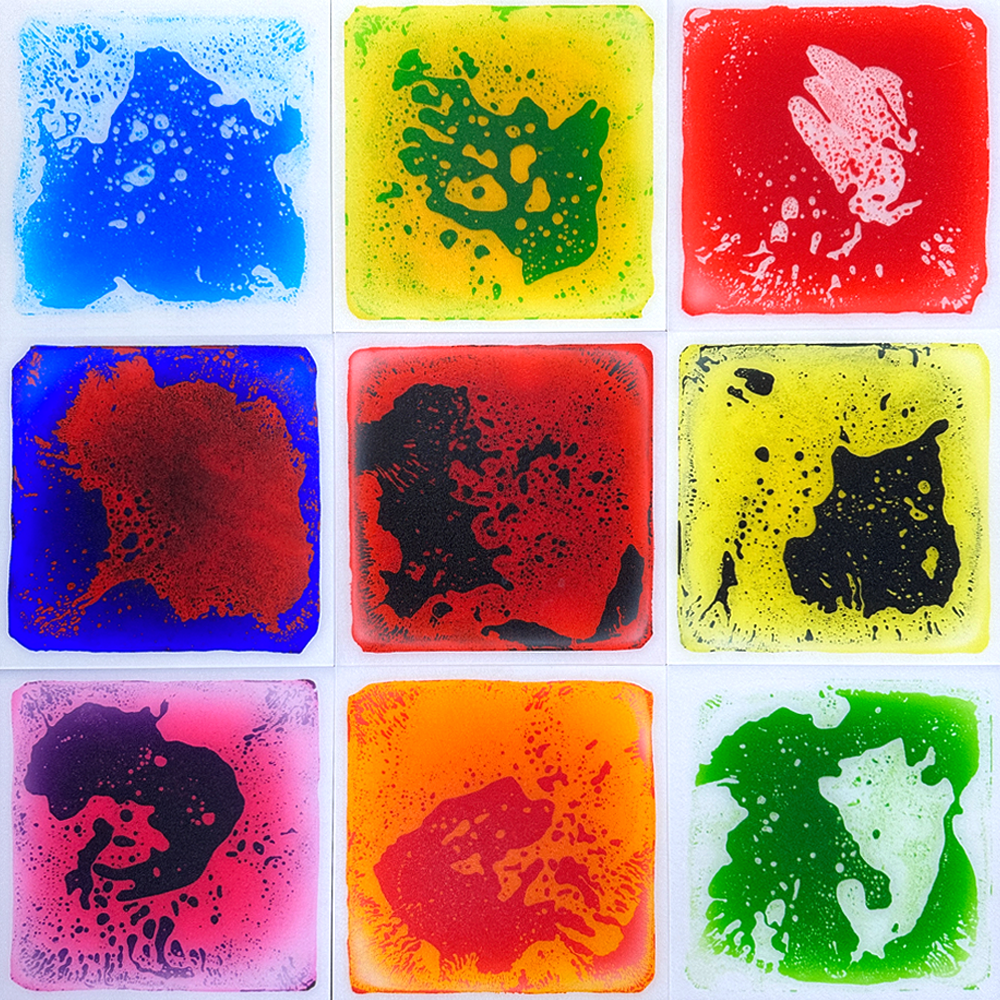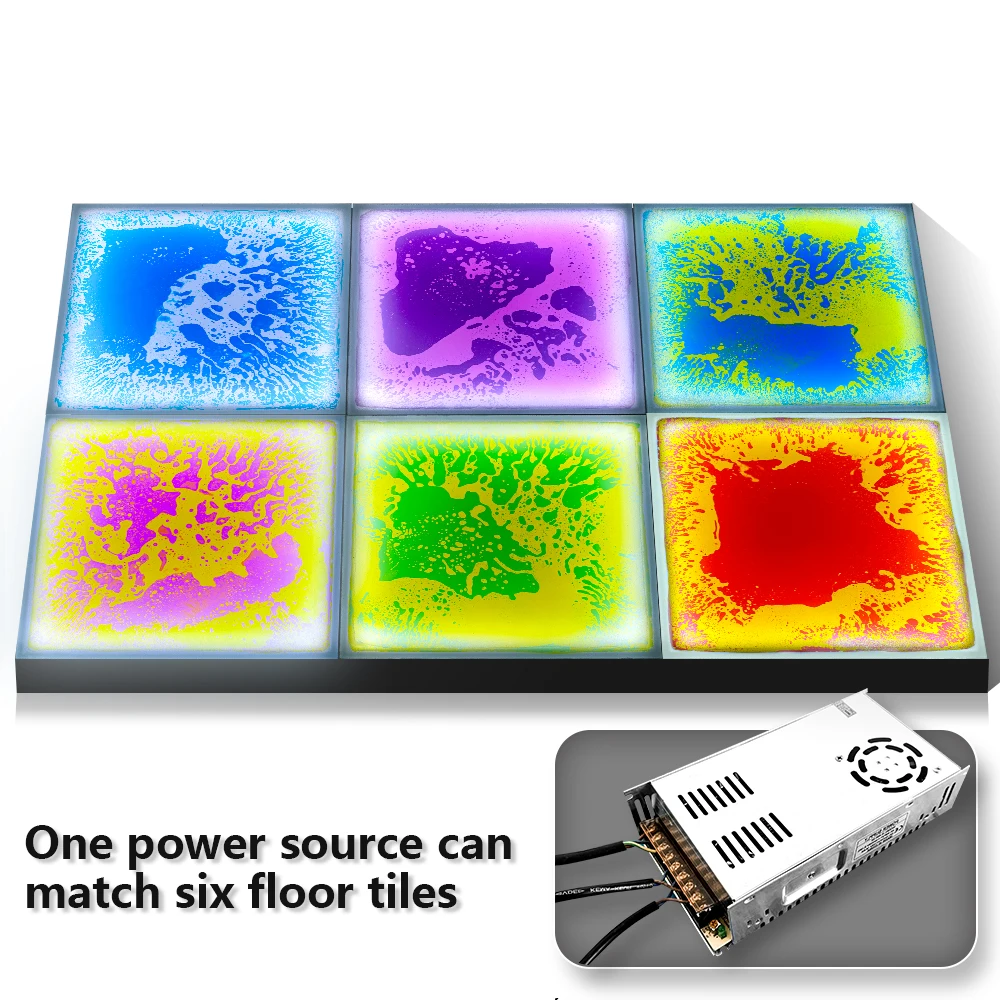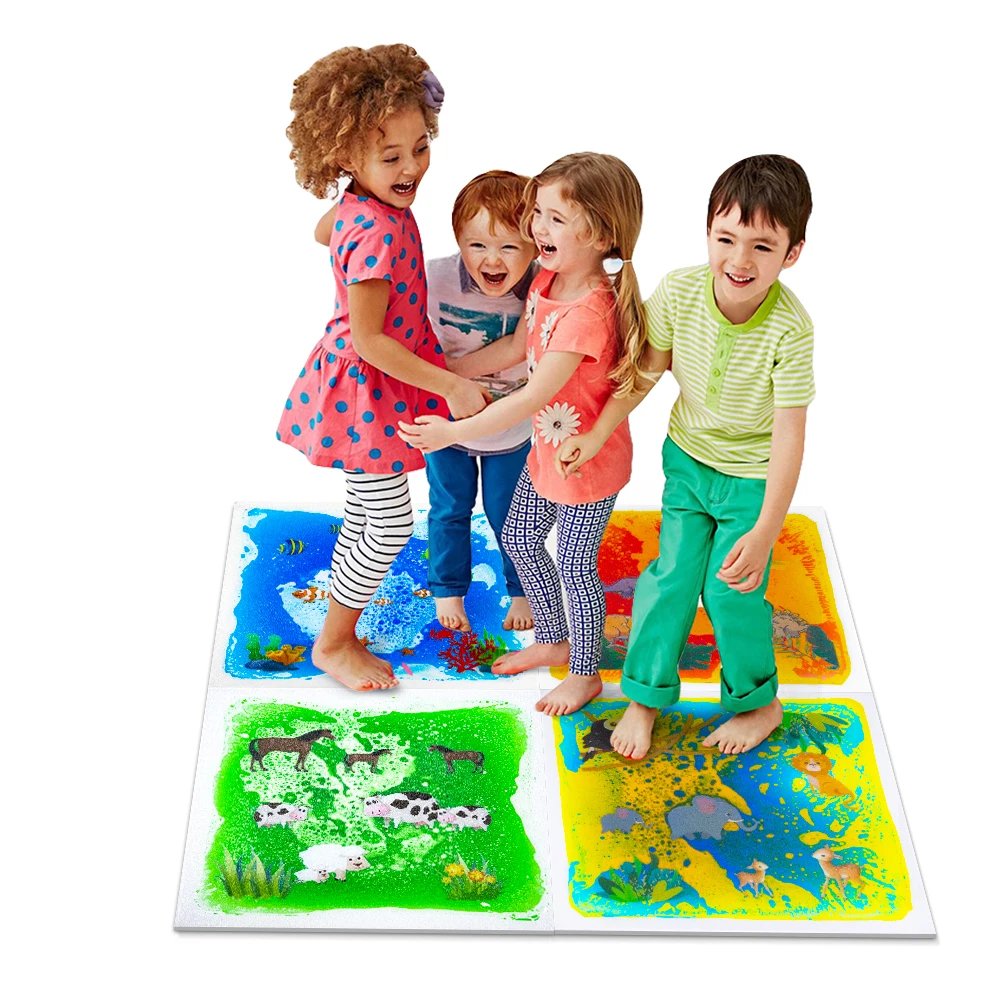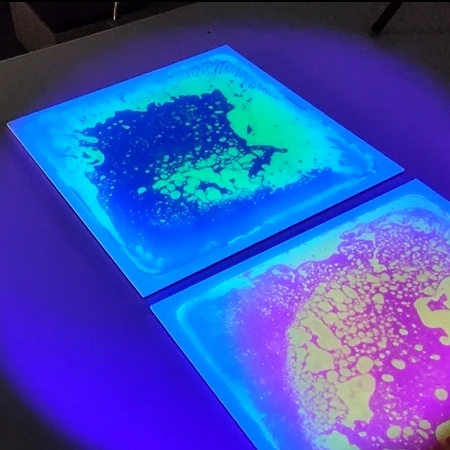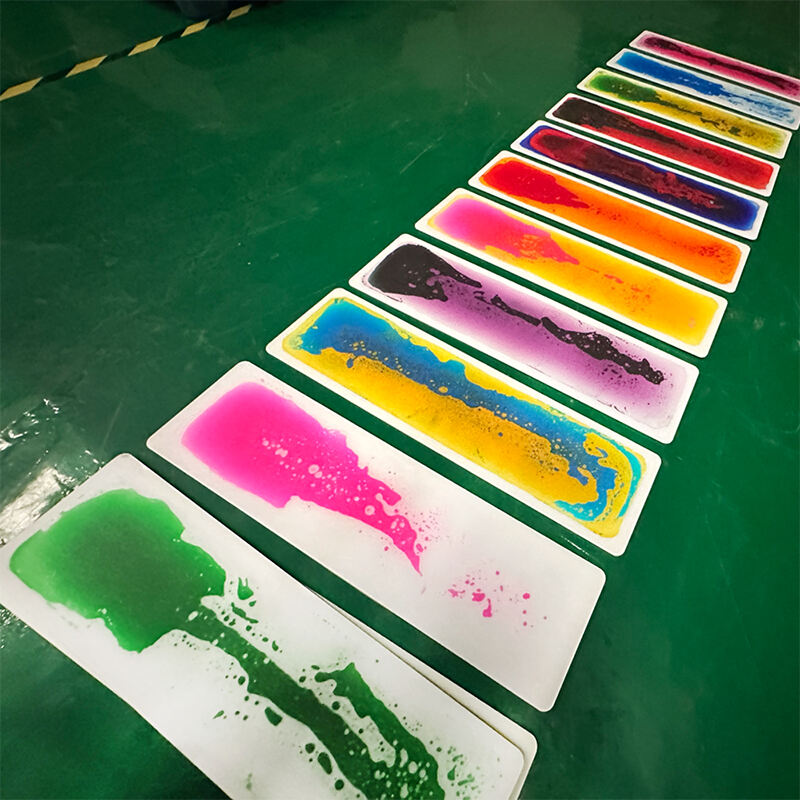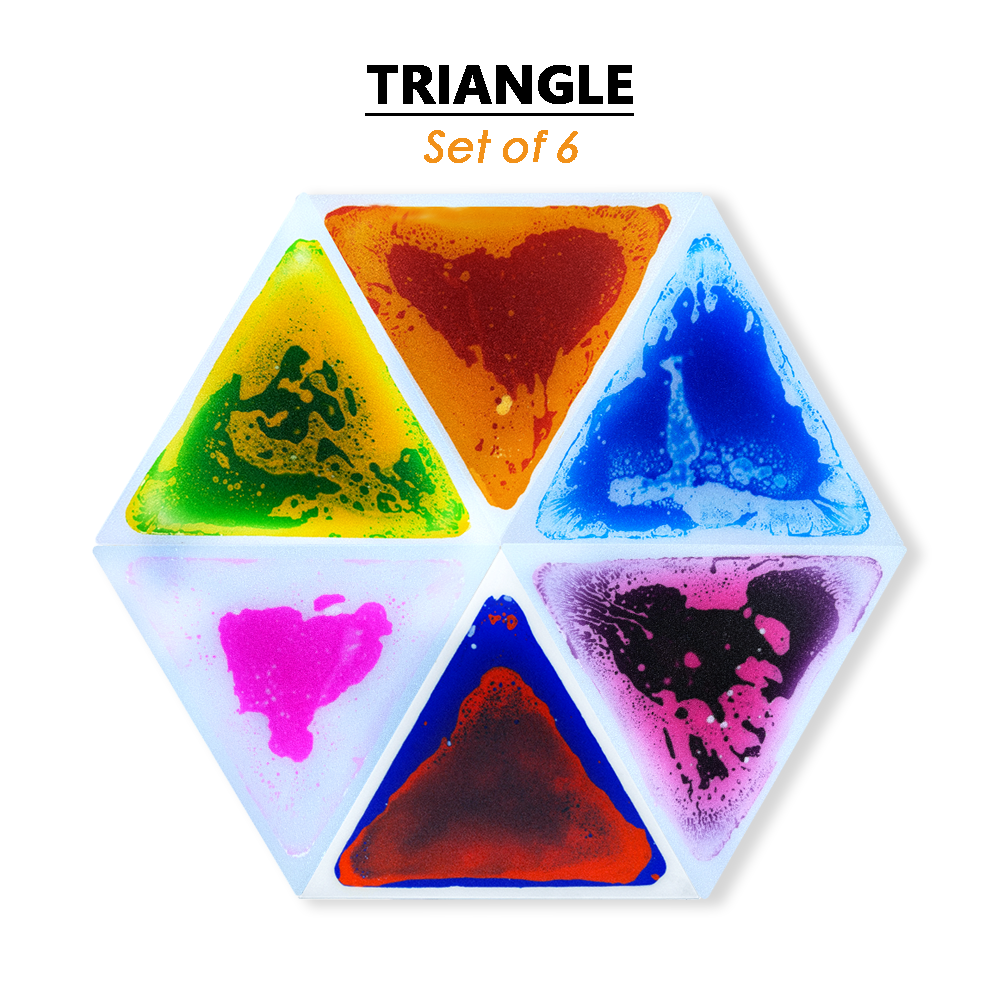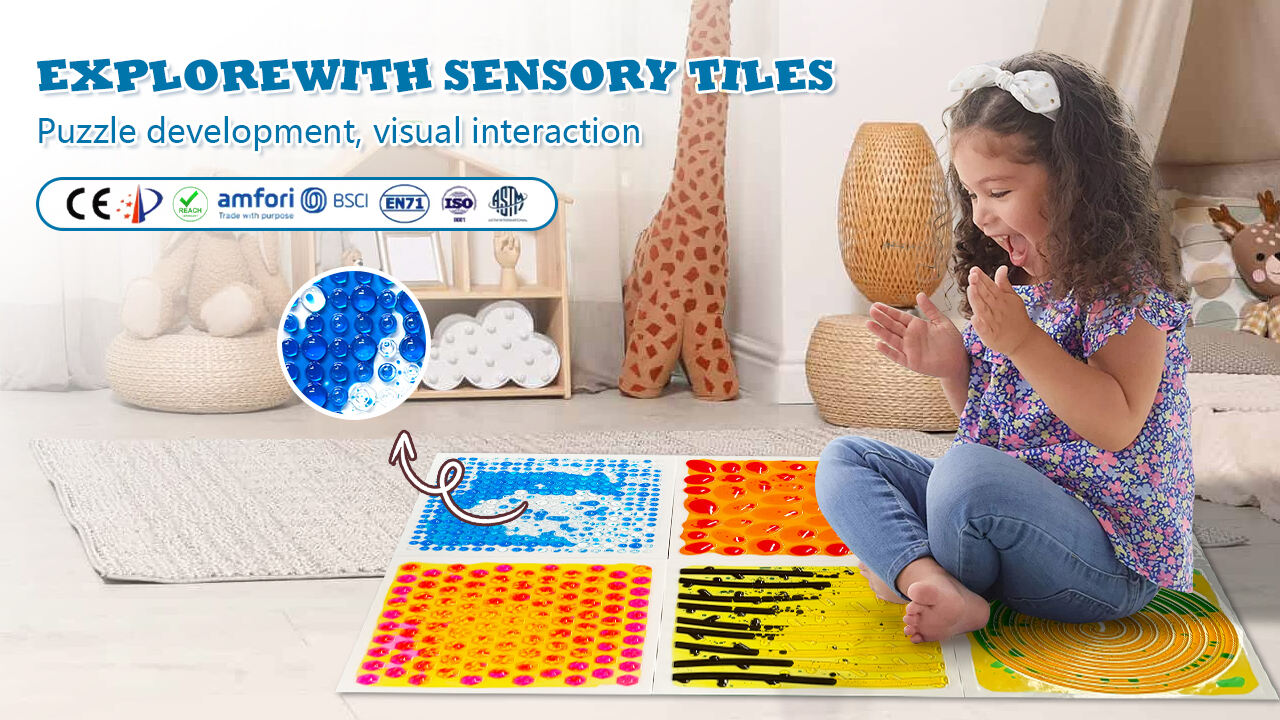
When it comes to making sensory tiles, there are basically two main paths: OEM (Original Equipment Manufacturing) and ODM (Original Design Manufacturing). With OEM setups, the manufacturer follows exactly what the client sends them in terms of design specs and product requirements. The catch here is that all those IP rights go straight to the client who paid for it. On the flip side, ODM works differently. Factories actually come up with their own tile designs first, then let clients slap their brand name on them and sell them out there. This makes a big difference in who controls what. OEM gives total freedom to customize every little detail, but takes longer to get products ready. ODM means getting stuff to market quicker since the designs already exist. For floors meant to help people with disabilities or special needs, OEM is usually better because it allows those custom therapeutic textures we talk about so much these days. But if someone just needs regular commercial flooring installed fast across multiple locations, ODM tends to be the smarter choice most of the time.
Specialized factories address evolving architectural needs through dual-model flexibility:
This versatility allows a single customized sensory liquid tile factory to serve diverse sectors—healthcare facilities requiring hygienic surfaces, educational institutions prioritizing safety, and luxury developers seeking signature aesthetics—all while maintaining consistent performance benchmarks for slip resistance (R10-R13 ratings) and durability (¥ PEI IV classification).
Successful sensory tile outcomes hinge on structured co-creation processes:
This partnership model ensures functional requirements like ASTM F1637 slip resistance harmonize with sensory goals, whether creating calming ripple patterns for dementia care facilities or alert-triggering ridges for poolside applications.
The latest advances in 3D printing have revolutionized how we make sensory tiles. With this tech, manufacturers can now produce all sorts of detailed textures and raised patterns that really boost the tactile feel when someone touches them. What's amazing is that they can create shapes and forms that just weren't possible before using old school manufacturing techniques. The speed of prototyping has completely changed things too. Companies can test out designs much faster than ever before, cutting down on development time sometimes by as much as two thirds. When working digitally, designers can tweak everything from how deep certain areas are to the overall shape and even how responsive the surface feels under touch. All these features mean architects and product creators can come up with totally new kinds of surfaces that work great both in therapy settings and throughout buildings where people interact with walls and floors every day.
Visual design is getting a major boost from artificial intelligence these days, especially when it comes to creating patterns using algorithms. The AI looks at things like space requirements and what people actually want, then spits out designs that are pretty unique and backed by data. One big plus is that it helps companies use materials better and cut down on waste. Some research suggests that when manufacturers integrate AI into their workflow, they see around a 40% drop in production mistakes. What makes this really interesting is how the system keeps tweaking designs after getting feedback, which means the final product usually matches what clients had in mind. For businesses looking to stand out, this kind of tech opens up all sorts of possibilities for custom installations that truly reflect brand identity without breaking the bank on wasted resources.
A premium hospitality project demonstrates this technological synergy. The lobby required slip-resistant flooring with biophilic patterns reflecting local flora. Using 3D printing, designers created organic relief textures mimicking tree bark. AI algorithms generated color gradients transitioning from dawn to dusk hues. The installation achieved:
Sensory liquid tiles start with advanced polymers mixed with various mineral composites as their base material. Before going into production, these materials get put through all sorts of tests to check how long they'll last and how they react when touched. Getting the right amount of porosity is really important too because it affects how liquids spread across the surface without compromising the tile's strength. Top manufacturers manage to hit the R11 slip resistance standard by creating tiny textures on the surface that we can't even see with our eyes. What makes this whole process so interesting is that it allows factory settings to produce tiles that actually change their behavior based on what touches them and even reacts differently depending on temperature changes around them.
Hospitals and transit hubs increasingly use nature-inspired textures to reduce stress. A 2023 healthcare design study showed biophilic tiles lowered patient anxiety by 37%. Safety remains critical:
These dual-purpose solutions address both psychological well-being and fall prevention.
Good projects usually start with team sessions where everyone gets together to figure out what looks good and what actually works. The designers run computer tests to see how different lighting affects all those fancy textures when people walk through them for real. Take that recent airport job we did - they managed to get down to just 0.78 seconds between when someone's foot hits the ground and when it lifts again. That beats most safety standards hands down, yet still kept those beautiful local designs throughout. What makes this whole method work is making sure each tile feels great underfoot while looking amazing too. Some folks worry about style versus function, but these tiles seem to hit both marks pretty well.
Modern customized sensory liquid tile factory operations prioritize eco-conscious methods that reduce environmental footprints while maintaining design excellence. These facilities implement comprehensive sustainability frameworks covering materials, resource management, and supply chain ethics to meet growing market demands for responsible production.
Manufacturers are turning to recycled materials such as old glass bottles and broken ceramic pieces these days. This helps keep tons of garbage out of landfills and saves our precious natural resources at the same time. When it comes to saving water, many plants have installed closed loop filtration systems now. These setups can recycle around 90 percent of their process water, cutting down on fresh water usage dramatically and keeping harmful substances from getting into local water sources. Plus, since they need less fresh water to heat up and treat, factories actually save money on their energy bills too. Some companies report savings upwards of 30% on monthly utility costs after implementing these water recycling solutions.
Top manufacturers are starting to offer detailed maps of their supply chains along with carbon footprint reports that have been checked by outside experts. These documents let customers see exactly what kind of environmental effect their products have all the way from when materials come out of the ground until they reach the end user. The extra transparency makes it easier for construction projects to get green building certifications such as LEED or BREEAM. And according to recent industry data, around two thirds of commercial property developers want to see Environmental Product Declarations (EPDs) before making decisions about which materials to use in their buildings.
One upscale beachside resort recently earned its LEED Gold status thanks to those special sensory tiles they installed throughout the main walkways. These tiles contain around three quarters recycled stuff, which is pretty impressive for something that gets so much foot traffic daily. What makes them stand out even more? The textured surface isn't just slip resistant it's actually crafted from old glass and broken ceramics. Best part maybe? No water got wasted at all during production because of these clever closed loop systems they set up. The whole initiative cut down on embodied carbon by roughly a third, but what really caught everyone's eye were those custom designs etched into the tiles patterns that somehow manage to capture the colors and shapes found in nearby coral reefs and ocean life.
Today's custom sensory liquid tile manufacturers really focus on getting clients involved throughout the whole process. There are basically four main stages where input matters most: coming up with initial ideas, picking out materials, fine tuning patterns, and checking how everything performs. Traditional factories work differently from these ODM partnerships where actual designers and engineers join forces with brand teams right from the start via online collaboration tools. The result? Products hit shelves roughly 30 to maybe even 45 days faster than with standard manufacturing methods. Instead of just sending over printed specs, customers actually get to play around with things like how deep the textures should be between half a millimeter and three and a half millimeters, adjust the thickness of the liquid resin, and specify exactly what level of slip resistance they need. All this happens through back and forth digital reviews rather than one shot deals with paper documents.
Advanced factories employ real-time rendering engines to create photorealistic 3D mockups that simulate:
Rapid prototyping systems produce tangible samples within 72 hours using resin-injection molds and CNC-cut substrates, enabling clients to test tactile responsiveness before mass production. This dual digital/physical approval process cuts revision cycles from weeks to days.
Hengfu Plastic: Your One-Stop Customized Sensory Liquid Tile Factory
Located in Dongguan, China—the heart of global manufacturing—Hengfu Plastic is equipped with the technology, talent, and experience to be your ideal manufacturing partner.
 Hot News
2024-06-17
2024-06-17
2024-06-17
Copyright © 2024, Dongguan Hengfu Plastic Products Co., Ltd. All Rights Reserved Privacy policy
 EN
EN
 AR
AR
 BG
BG
 HR
HR
 CS
CS
 DA
DA
 NL
NL
 FI
FI
 FR
FR
 DE
DE
 EL
EL
 IT
IT
 JA
JA
 KO
KO
 NO
NO
 PL
PL
 PT
PT
 RU
RU
 ES
ES
 SV
SV
 CA
CA
 TL
TL
 ID
ID
 LT
LT
 VI
VI
 SQ
SQ
 ET
ET
 GL
GL
 TH
TH
 TR
TR
 FA
FA
 MS
MS
 GA
GA
 CY
CY
 UR
UR
 BN
BN
 GU
GU
 MR
MR
 NE
NE
 KY
KY